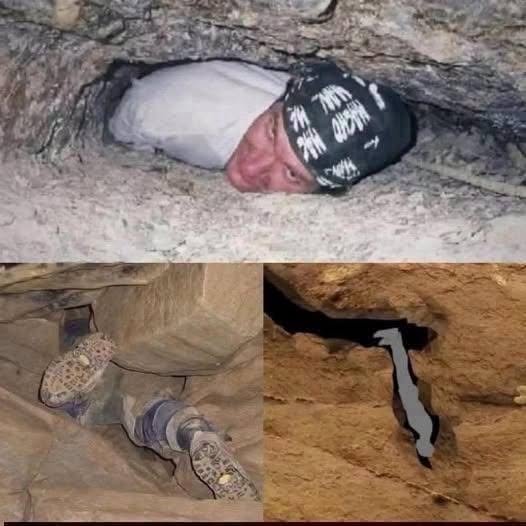
Digital media platforms frequently feature dramatic real-life rescue imagery paired with suspenseful, incomplete headlines—such as presenting tragic exploration incidents as mysterious or sensationalized online teasers. These viral posts are specifically engineered to provoke intense emotional reactions, morbid curiosity, and rapid online engagement rather than providing accurate, evidence-based safety or geographical education.
From a speleology and wilderness safety perspective, the images depict historical documentation of complex technical cave rescue operations—specifically referencing hazardous subterranean entrapments like the Nutty Putty Cave incident. Navigating tight, unmapped, or vertical cave systems without proper equipment, experienced guides, or strict safety protocols carries severe inherent risks, including entrapment and positional asphyxiation. Sensationalized online content regularly exploits tragic wilderness accidents to manufacture clickbait engagement and maximize digital advertising metrics.
Promoting safe outdoor exploration involves respecting environmental hazards, adhering to professional caving and mountaineering standards, never exploring restricted or dangerous subterranean spaces alone, and relying on verified safety guidelines rather than social media dramatizations. Evaluating outdoor risks should always be grounded in rescue science and emergency preparedness. If you are interested in caving, geology, or wilderness survival, consulting professional speleological societies and certified training organizations provides safe, accurate, and respectful insights.
Leave a Reply