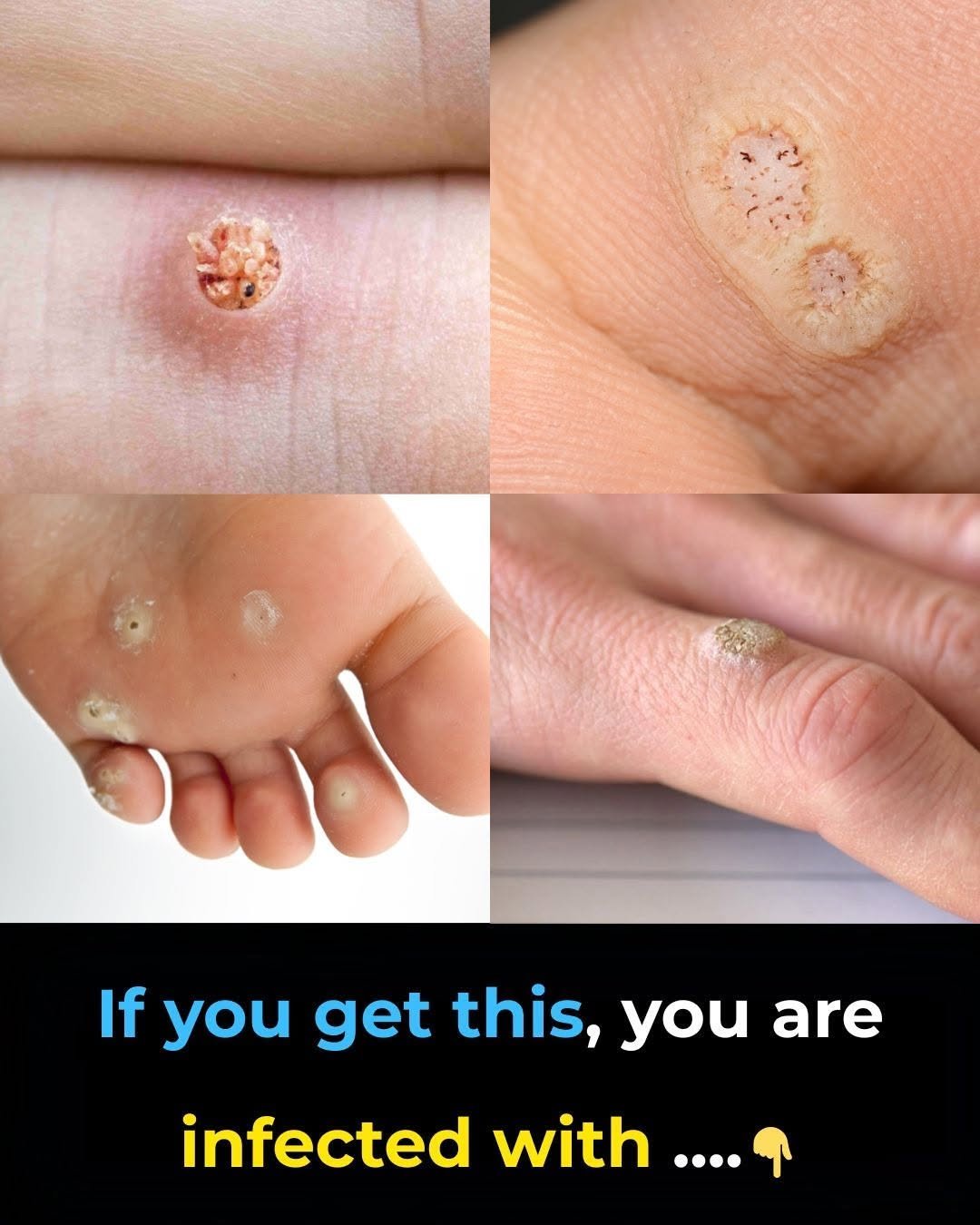
Digital media platforms frequently feature close-up dermatological imagery paired with alarming, incomplete headlines—such as claiming that common skin growths indicate a terrifying or mysterious infection. These viral posts are specifically engineered to provoke visceral anxiety, disgust, and rapid online comment sharing rather than providing accurate, evidence-based dermatological education.
From a clinical dermatology perspective, the skin lesions shown in the images are common cutaneous warts, primarily plantar warts (on the soles of the feet) and palmar/common warts (on the hands). These non-cancerous skin growths are caused by strain-specific, localized infections of the Human Papillomavirus (HPV), specifically low-risk cutaneous types (such as HPV types 1, 2, 4, and 63) that affect only the outer layer of skin (epidermis). The small dark specks often visible inside these growths are simply tiny, clotted blood vessels (capillaries) supplying blood to the wart, not roots or parasite eggs. Sensationalized online content routinely weaponizes benign, common skin conditions to manufacture panic and maximize digital engagement metrics.
Maintaining healthy skin involves practicing good hygiene, avoiding walking barefoot in public communal areas (like locker rooms or pool decks), refraining from picking or scratching skin lesions, and relying on professional clinical guidance. Personal health decisions and dermatological concerns should always reflect verified medical diagnostic evaluation rather than internet clickbait. If you experience persistent, painful, spreading, or changing skin growths, consulting a licensed physician or dermatologist provides safe, evidence-based treatment options such as topical therapies or cryotherapy.
Leave a Reply