Understanding Clinical Oncology: The Science Behind Dietary Claims, Cancer Prevention, and Viral Health Hoaxes
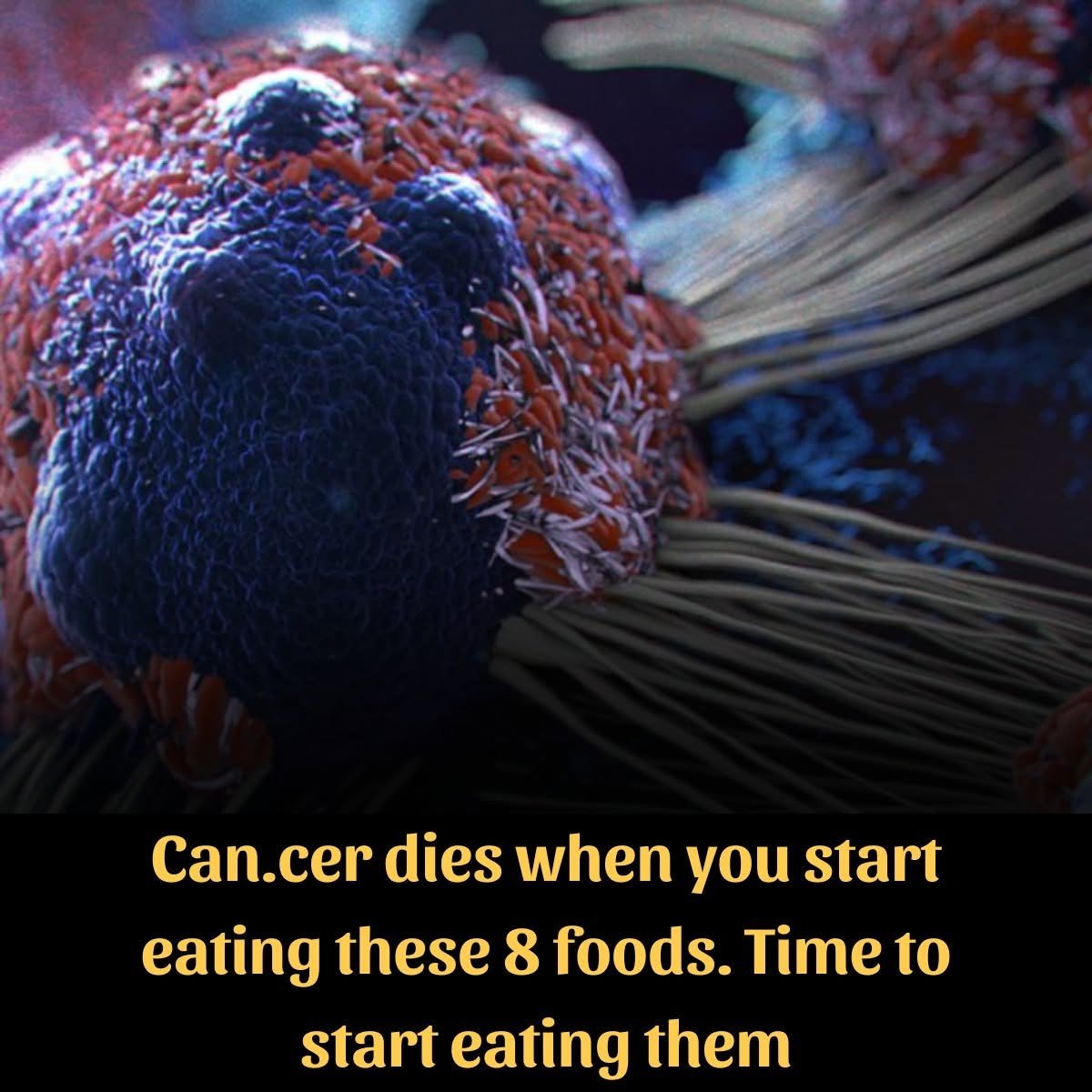
Digital media platforms frequently feature dramatic microscopic imagery paired with sensationalized clickbait headlines—such as claiming that consuming specific foods can magically cure or kill cancer. These viral posts are specifically engineered to exploit patient vulnerability, provoke false hope, and drive rapid online sharing rather than providing accurate, evidence-based oncological or nutritional education.
From a clinical oncology and nutritional science perspective, cancer is a complex genetic and biological disease driven by cellular mutations, environmental exposures, and hereditary factors, rather than a condition that can be reversed or eliminated simply by eating or avoiding specific foods. While maintaining a balanced diet rich in fruits, vegetables, and whole foods supports overall immune function and long-term health, no single food possesses the pharmacological power to destroy malignant tumors. Sensationalized online content regularly misrepresents preliminary laboratory studies or completely fabricates medical miracles to maximize digital engagement metrics.
Promoting effective cancer prevention and long-term wellness involves participating in recommended clinical screenings, avoiding known carcinogens like tobacco, maintaining a healthy lifestyle, and relying on professional medical guidance rather than internet generalizations. Personal health decisions and oncological care should always be grounded in verified clinical science and evidence-based medicine. If you have questions about cancer prevention, dietary nutrition during treatment, or oncological health, consulting a licensed physician, oncologist, or registered dietitian provides safe, scientifically sound direction.Digital media platforms frequently feature dramatic microscopic imagery paired with sensationalized clickbait headlines—such as claiming that consuming specific foods can magically cure or kill cancer. These viral posts are specifically engineered to exploit patient vulnerability, provoke false hope, and drive rapid online sharing rather than providing accurate, evidence-based oncological or nutritional education.
From a clinical oncology and nutritional science perspective, cancer is a complex genetic and biological disease driven by cellular mutations, environmental exposures, and hereditary factors, rather than a condition that can be reversed or eliminated simply by eating or avoiding specific foods. While maintaining a balanced diet rich in fruits, vegetables, and whole foods supports overall immune function and long-term health, no single food possesses the pharmacological power to destroy malignant tumors. Sensationalized online content regularly misrepresents preliminary laboratory studies or completely fabricates medical miracles to maximize digital engagement metrics.
Promoting effective cancer prevention and long-term wellness involves participating in recommended clinical screenings, avoiding known carcinogens like tobacco, maintaining a healthy lifestyle, and relying on professional medical guidance rather than internet generalizations. Personal health decisions and oncological care should always be grounded in verified clinical science and evidence-based medicine. If you have questions about cancer prevention, dietary nutrition during treatment, or oncological health, consulting a licensed physician, oncologist, or registered dietitian provides safe, scientifically sound direction.
Leave a Reply