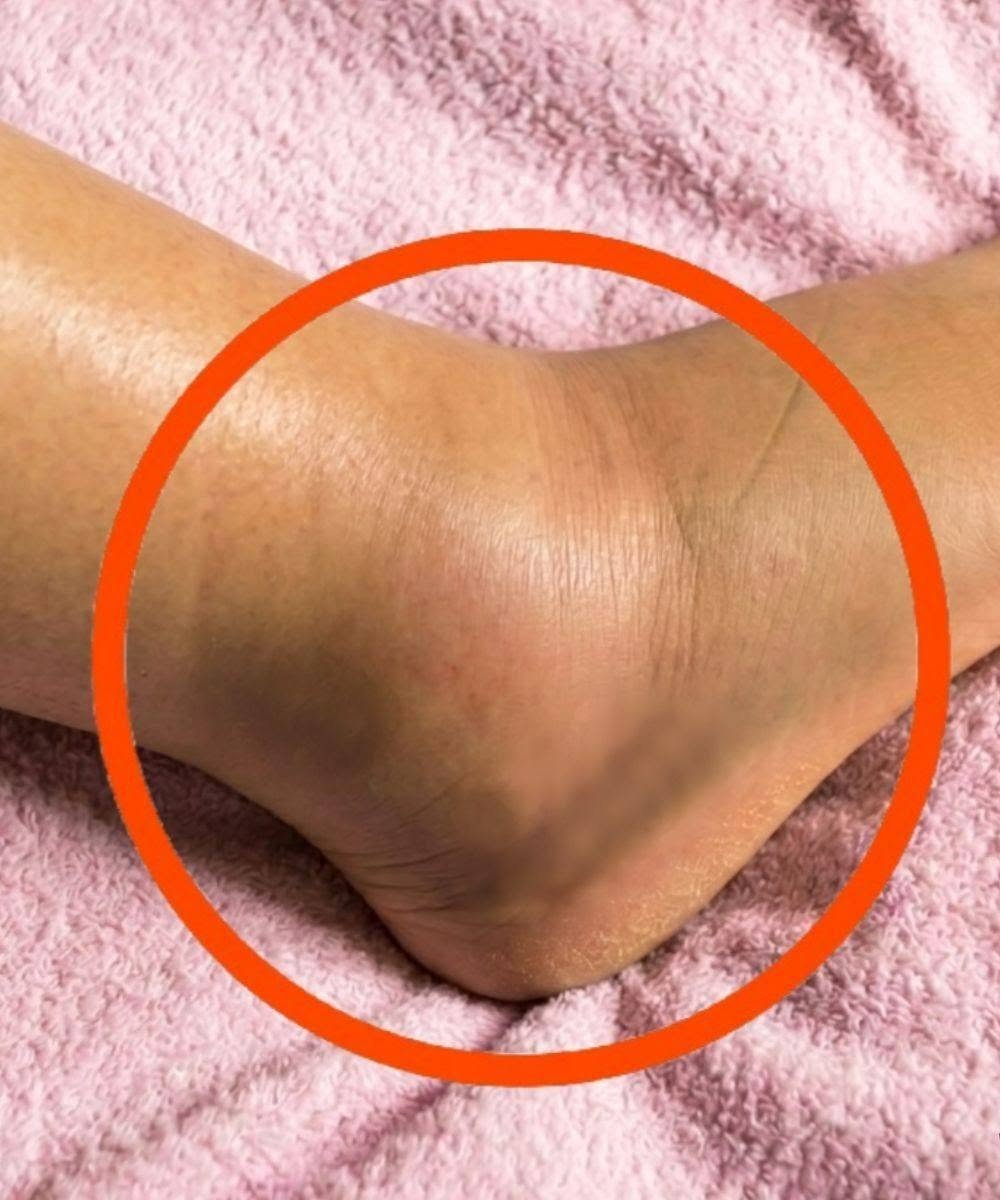
Digital media platforms frequently feature alarmist medical graphics and truncated clickbait headlines claiming that lower extremity fluid retention—such as swollen legs or ankles—acts as an immediate sign of severe, catastrophic diseases like cancer. These viral posts are specifically engineered to provoke intense health anxiety, fear, and rapid online sharing rather than providing accurate, evidence-based clinical or physiological education.
From a clinical and internal medicine perspective, swelling in the lower legs and feet (medically known as peripheral edema) occurs when excess fluid becomes trapped in body tissues. Lower extremity edema is predominantly tied to benign, transient factors such as prolonged standing or sitting, high sodium intake, warm weather, minor sprains or soft tissue trauma, pregnancy, or side effects from common medications (such as certain blood pressure treatments). While persistent fluid retention can sometimes reflect systemic conditions involving the cardiovascular system, liver, or kidneys, jumping directly to severe malignancies based on a single photo of an ankle flattens complex diagnostic medicine to drive click-through metrics.
Managing lower extremity health involves maintaining balanced hydration, elevating the legs when resting, staying physically active, reducing excess dietary sodium, and relying on professional clinical guidance rather than alarming internet generalizations. Personalized diagnostic care should always reflect a comprehensive physical examination, medical history, and clinical lab work rather than online self-diagnosis. If you experience persistent leg swelling, unilateral (single-sided) rapid swelling, localized heat, redness, or shortness of breath, consulting a licensed physician provides safe, evidence-based direction.
Leave a Reply