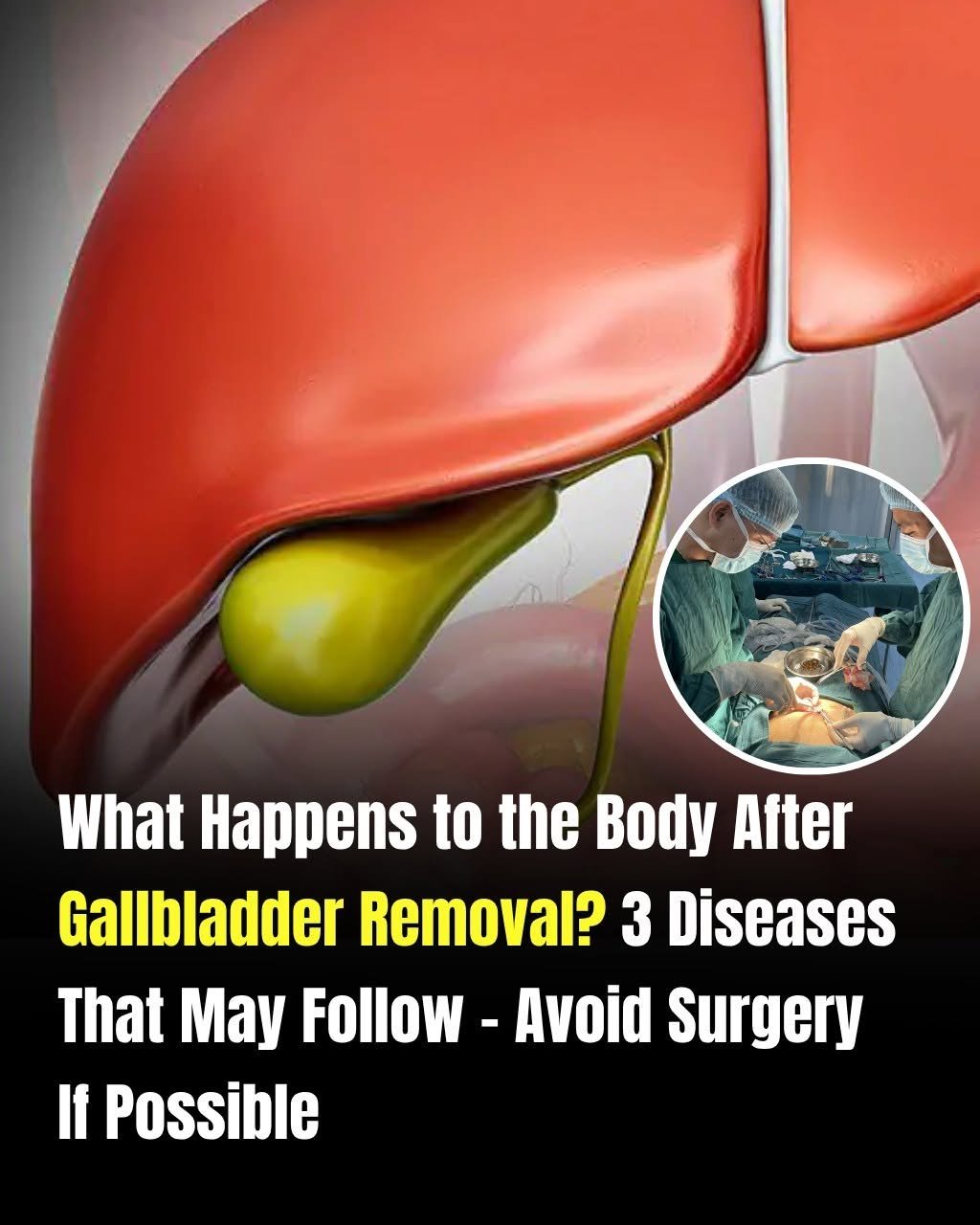
Digital media platforms frequently feature sensationalized medical graphics and alarmist headlines claiming that undergoing standard surgical procedures—such as gallbladder removal—will inevitably cause severe chronic diseases or that patients should avoid medically necessary surgeries at all costs. These viral posts are specifically engineered to provoke medical anxiety, distrust in established clinical care, and rapid online sharing rather than providing accurate, evidence-based surgical or gastrointestinal education.
From a clinical gastroenterology and general surgery perspective, the gallbladder is a small organ that stores and concentrates bile produced by the liver. When a gallbladder becomes diseased—often due to symptomatic gallstones (cholelithiasis), inflammation (cholecystitis), or biliary dyskinesia—removal (a procedure known as a cholecystectomy) is a safe, routinely performed, and frequently life-saving standard of care. Following surgery, the liver continues to produce bile normally; instead of being stored in the gallbladder between meals, bile simply drips continuously directly into the small intestine to assist with fat digestion.
While some individuals experience temporary digestive adjustments or mild post-cholecystectomy diarrhea as their digestive tract adapts to constant bile flow, the organ itself is non-essential for a healthy life. Framing standard, medically indicated surgery as a trigger for catastrophic diseases relies on exaggerated scare tactics designed to push unverified natural “cures” or maximize social media engagement metrics.
Maintaining long-term digestive health following gallbladder surgery involves consuming a balanced diet, gradually reintroducing higher-fat foods, staying well-hydrated, and relying on professional surgical and gastroenterological guidance rather than alarming internet generalizations. Personalized surgical care and treatment decisions should always reflect thorough clinical evaluations, diagnostic imaging, and direct consultation with medical specialists. If you are experiencing biliary pain, digestive distress, or have questions regarding an upcoming surgical procedure, consulting a licensed general surgeon or gastroenterologist provides safe, evidence-based direction.
Leave a Reply