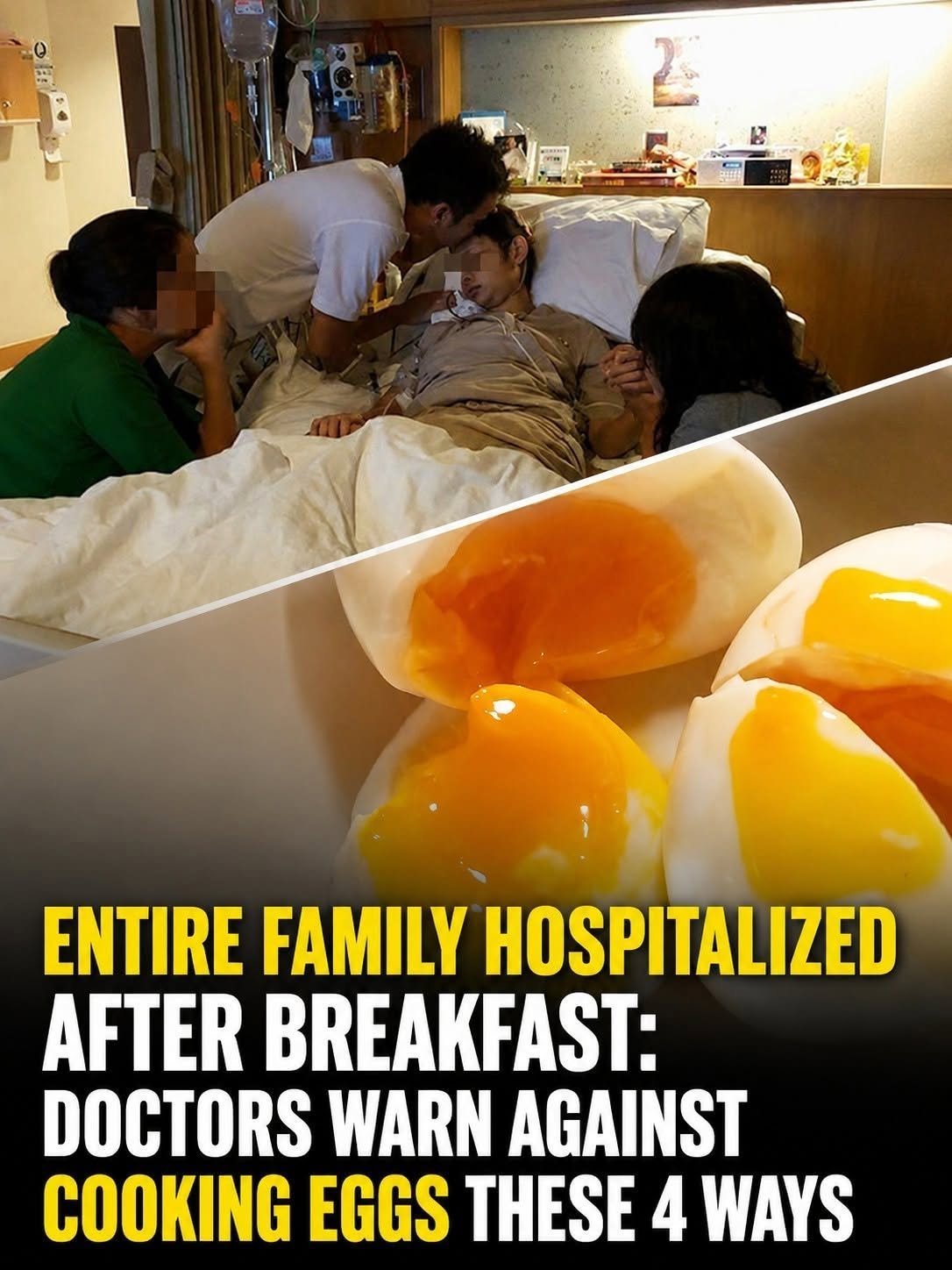
Eggs can be an excellent source of protein, choline, vitamins, minerals, and other nutrients, but the way they are prepared can affect food-safety and nutritional concerns. Four preparations deserve extra caution: raw eggs, partially cooked or runny eggs, eggs cooked in excessive amounts of butter or other saturated-fat-rich ingredients, and eggs that are cooked but then left at unsafe temperatures for too long. The most important safety issue is undercooking. Raw or undercooked eggs can contain Salmonella, and the FDA recommends cooking eggs until both the whites and yolks are firm. For dishes containing eggs, appropriate internal cooking temperatures should also be reached. (fda.gov) People at greater risk of severe foodborne illness—including older adults, young children, pregnant women, and people with weakened immune systems—should be especially careful.
The third concern is less about the egg itself and more about what is added during cooking. Eggs contain relatively little saturated fat, but cooking them in large quantities of butter and serving them with bacon, sausage, processed meats, or large amounts of cheese can turn an otherwise nutritious breakfast into a meal much higher in saturated fat and sodium. Harvard Health notes that for most people, an egg a day can fit into a heart-healthy diet, while the saturated fat accompanying the eggs may have a greater effect on blood cholesterol. (health.harvard.edu) This means you generally do not need to “fear” fried, scrambled, boiled, or poached eggs; instead, consider the overall meal and cooking ingredients. Using modest amounts of healthier unsaturated oils and pairing eggs with vegetables or whole grains can create a more balanced breakfast.
Finally, safe handling after cooking matters just as much as the cooking method itself. Cooked eggs and egg dishes should not be left unrefrigerated for extended periods because bacteria can multiply rapidly at room temperature. The FDA recommends refrigerating cooked egg dishes promptly and using leftovers within the recommended storage period. (fda.gov) So the takeaway is not that four common egg-cooking methods are universally “dangerous,” but that raw or undercooked eggs, excessive saturated-fat additions, and poor food handling deserve attention. Disclaimer: This article is for general educational and food-safety information only and does not constitute medical or personalized nutritional advice. Eggs can be part of a healthy diet for many people, and the risks associated with preparation vary according to the person, ingredients, cooking temperature, and storage practices. Always verify health and food-safety claims through reliable sources and consult a qualified healthcare professional for individualized dietary guidance.
Leave a Reply