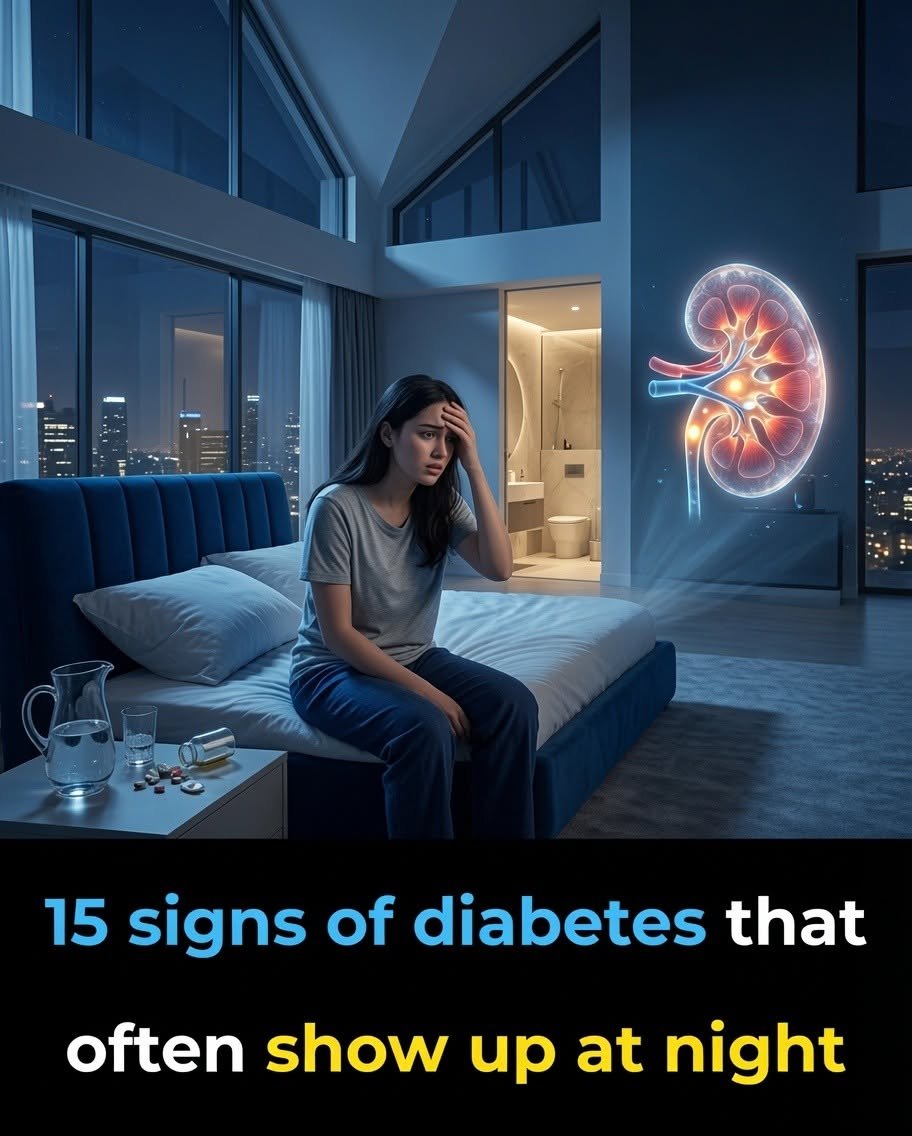
Diabetes can sometimes cause symptoms that become particularly noticeable at night, although none of these symptoms alone can diagnose diabetes. Fifteen changes worth paying attention to include: 1) frequent nighttime urination, 2) excessive thirst, 3) dry mouth, 4) unusual nighttime hunger, 5) night sweats, 6) restless or disrupted sleep, 7) tingling or numbness in the feet, 8) burning or painful feet, 9) leg cramps, 10) blurred vision, 11) unusual fatigue, 12) headaches, 13) slow-healing cuts or irritated skin, 14) recurring infections, and 15) episodes of shakiness, sweating, confusion, or weakness that may occur when blood sugar becomes too low. The CDC identifies increased thirst and urination, hunger, fatigue, blurred vision, and slow-healing wounds among possible diabetes symptoms. (cdc.gov) Some nighttime problems, such as sweating or restless sleep, can have many causes and should not automatically be blamed on diabetes.
Frequent nighttime urination and increased thirst can be particularly noticeable when blood glucose levels remain elevated. When glucose builds up in the bloodstream, the kidneys may remove more glucose through urine, drawing additional fluid with it and potentially increasing urination and thirst. (niddk.nih.gov) On the other hand, people taking insulin or certain glucose-lowering medications may experience nighttime hypoglycemia, which can cause sweating, shaking, hunger, dizziness, irritability, confusion, or a fast heartbeat. (cdc.gov) Diabetes can also affect nerves, producing burning, tingling, or numbness in the feet, while high blood glucose can contribute to blurred vision and slower wound healing. (niddk.nih.gov) Because many of these symptoms overlap with other conditions, testing is much more reliable than trying to diagnose diabetes based on symptoms.
If several of these symptoms occur repeatedly, particularly increased thirst, frequent urination, unexplained weight loss, persistent fatigue, or blurred vision, speak with a healthcare professional about appropriate testing. Diabetes can often be identified through blood tests such as an A1C or fasting blood glucose test. (niddk.nih.gov) People already taking diabetes medication should not change doses based on nighttime symptoms without professional guidance. Sudden severe confusion, loss of consciousness, seizures, or inability to safely swallow during a suspected low-blood-sugar episode requires urgent medical attention. Disclaimer: This article is for general educational and informational purposes only and does not constitute medical diagnosis, treatment, or personalized medical advice. These 15 symptoms are not proof of diabetes and can have numerous other causes. Some online health claims may be exaggerated, misleading, or unauthenticated, so always verify important information through reliable medical sources and consult a qualified healthcare professional for appropriate testing and advice.
Leave a Reply