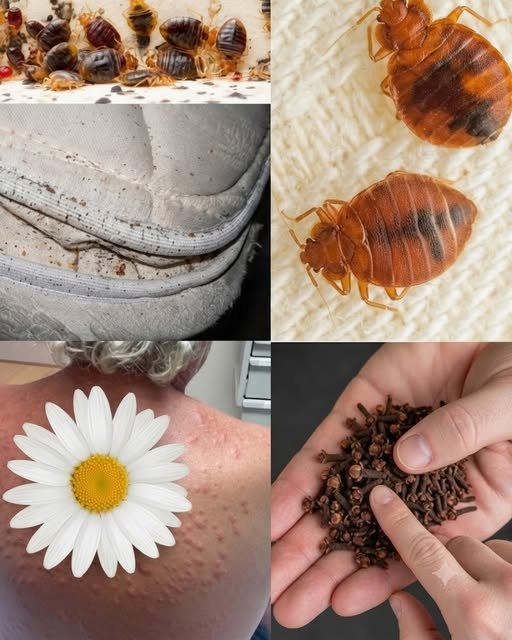
Bedbugs (Cimex lectularius) are small, wingless insects that feed on human blood. Managing an infestation requires immediate recognition of visual signs and an evidence-based approach to pest control.
Key Identification Signs
- Physical Appearance: Adult bedbugs are flat, oval-shaped, mahogany-red, and about the size of an apple seed. After feeding, their bodies swell and turn a darker red.
- Mattress and Furniture Stains: Infestations leave rusty or dark spots of bedbug excrement along mattress seams, bed frames, box springs, and baseboards.
- Bite Patterns: Bedbug bites typically appear as itchy, red, raised welts, often lined up in small clusters or straight lines on exposed skin during sleep.
Proven Eradication Methods
- High-Heat Treatment: Wash all bedding, clothing, and curtains in hot water and dry them on high heat for at least 30 minutes to kill all life stages (eggs, nymphs, and adults).
- Thorough Vacuuming: Vacuum mattresses, box springs, bed frames, and carpets thoroughly. Immediately seal and discard the vacuum bag in an outdoor trash bin.
- Steam Cleaning: Apply high-temperature steam along mattress seams, upholstered furniture, and carpet edges where bugs and eggs hide.
- Professional Pest Control: Extensive infestations often require integrated pest management (IPM) involving specialized insecticides, heat chambers, or professional extermination services.
Home Remedies vs. Social Media Myths
The collage shows home items like whole cloves and flowers alongside bedbug images. While essential oils (such as clove or lavender) are often promoted online as natural repellents, they do not eliminate an active infestation. Clove oil contains eugenol, which may kill individual bugs on direct contact, but it lacks residual efficacy and will not reach eggs or hidden harbourages inside walls and mattresses.
Social media posts combining sensationalized insect photos with DIY natural remedies frequently serve as engagement farming, encouraging users to comment, save, or click external links to monetization sites rather than offering effective pest management solutions.
Leave a Reply