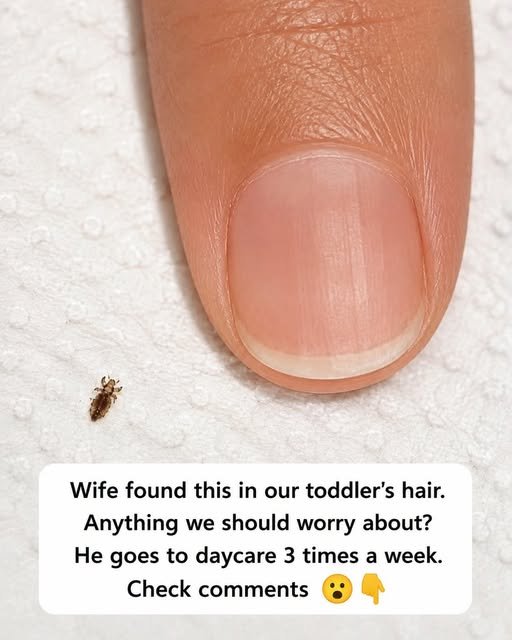
The tiny insect featured next to a human fingernail is a adult head louse (Pediculus humanus capitis), a common parasite that resides on human scalps. Head lice infestation, medically known as pediculosis capitis, is a very frequent occurrence among young children attending daycares, preschools, and elementary schools worldwide.
Identification and Transmission
- Physical Characteristics: Head lice are wingless, tan-to-grayish insects about the size of a sesame seed (2–3 mm long) with specialized claws adapted for grasping hair shafts.
- How They Spread: Contrary to popular myths, lice cannot fly or jump; they spread almost exclusively through direct head-to-head contact during play, naptime, or shared activities.
- Signs of Infestation: Common indicators include intense scalp itching (caused by an allergic reaction to louse bites), tickling sensations in the hair, small red bumps on the neck or scalp, and the presence of tiny white-to-tan oval eggs (nits) firmly glued near the base of hair shafts.
Treatment and Prevention Guidelines
Treating head lice involves applying an over-the-counter or prescription pediculicide lotion or shampoo followed by thorough wet-combing with a fine-toothed nit comb to remove remaining eggs. Household precautions include washing recently used bedding, clothing, and hats in hot water and drying on high heat. While annoying and inconvenient, head lice do not carry or transmit infectious diseases and are not a sign of poor personal hygiene or an unclean home environment.
Social Media Context and Engagement Tactics
Social media graphics displaying extreme close-ups of household pests paired with anxious parenting captions (such as “Anything we should worry about? Check comments”) are frequently deployed as engagement farming. Content creators post these familiar childhood scenarios to spark wide debate in the comment section—where users share personal remedies, debate daycare policies, and click external links to ad-monetized blogs or commercial product pages.
Leave a Reply