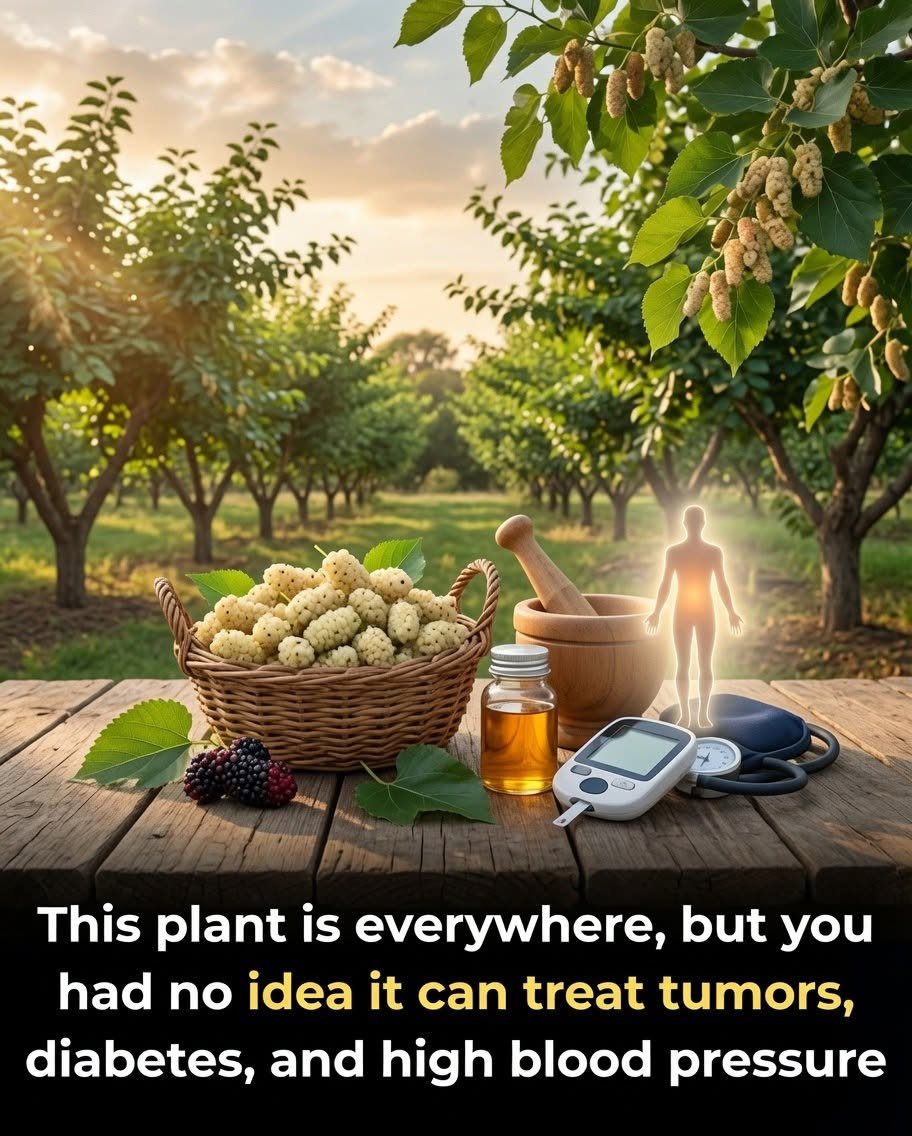
White mulberry (Morus alba) is an often-overlooked fruit tree that has been used as a food and traditional wellness ingredient for centuries. Its berries and leaves contain a variety of nutrients and bioactive plant compounds, including flavonoids, anthocyanins, phenolic compounds, and other antioxidants. Research has explored white mulberry for its potential effects on blood glucose, cholesterol, inflammation, and cardiovascular health. (nccih.nih.gov) The fruit itself contains vitamins, minerals, and naturally occurring plant compounds that may contribute to a nutritious diet. (pubmed.ncbi.nlm.nih.gov) These characteristics help explain why researchers continue to investigate this traditional plant as a possible functional food. However, promising laboratory and early human findings should not be confused with proof that white mulberry can treat or cure major diseases.
One of the most studied areas is blood-sugar regulation. Some clinical studies have found that white mulberry leaf preparations may reduce the rise in blood glucose after consuming carbohydrates, potentially because certain compounds in the leaves can interfere with carbohydrate digestion. (pubmed.ncbi.nlm.nih.gov) Researchers have also investigated possible antioxidant and cardiovascular benefits, although the strength of evidence varies depending on the preparation and health outcome being studied. Importantly, the National Center for Complementary and Integrative Health states that research on white mulberry remains limited, with some studies showing potential blood-glucose benefits while others have found no meaningful effect. (nccih.nih.gov) White mulberry leaf supplements can also cause digestive symptoms such as bloating, gas, constipation, or loose stools, and they may increase the risk of low blood sugar when combined with diabetes medication. (nccih.nih.gov)
The most sensible way to view white mulberry is as a nutritious traditional food with interesting research potential—not a miracle cure. Enjoying the ripe fruit as part of a varied diet may provide useful plant nutrients, while concentrated leaf extracts should be treated more cautiously because supplement doses and formulations can differ substantially. There is also insufficient reliable information about the safety of white mulberry berries in medicinal quantities. (nccih.nih.gov) If you take diabetes medication, use other prescription medicines, or are considering a concentrated mulberry supplement, discussing it with a qualified healthcare professional is a sensible precaution. Disclaimer: This article is for general educational and informational purposes only and does not constitute medical diagnosis, treatment, or personalized nutritional advice. White mulberry has promising nutritional and research findings, but evidence is still limited for many claimed health benefits. Some online claims may be exaggerated, misleading, or unauthenticated, so important health information should always be verified through reliable medical sources and a qualified healthcare professional.
Leave a Reply