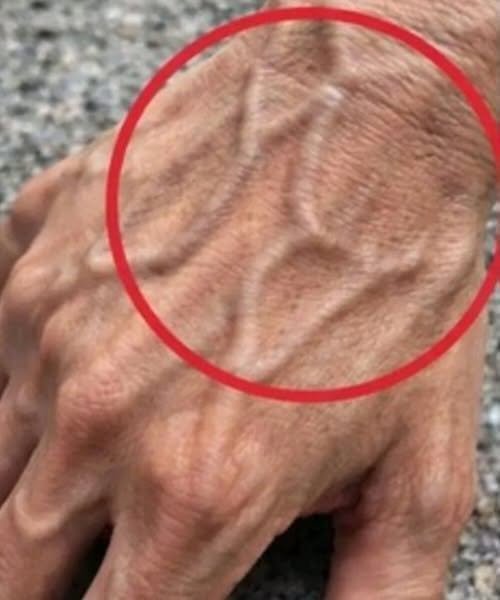
Sensational headlines claiming that highly visible or bulging veins are a direct indicator of underlying disease, severe dehydration, or mystical traits often circulate online to stir alarm. Prominent veins—particularly on the backs of the hands and forearms—are an extremely common anatomical feature seen across millions of healthy individuals. Rather than signaling a medical emergency, visible veins are typically the result of normal human vascular physiology, skin thickness, body composition, and routine physical activity.
Primary Factors Behind Visible Veins
- Low Body Fat Percentage and Vascularity: Individuals with lower levels of subcutaneous fat have less tissue padding covering their superficial veins, making the natural blood vessel network far more visible against the skin.
- Natural Aging and Skin Changes: As the body ages, skin naturally loses elasticity, collagen, and subcutaneous fat. This thinning process causes standard superficial veins to appear larger and more pronounced on the hands and limbs.
- Exercise, Heat, and Blood Flow: Physical exertion and warm temperatures cause blood pressure and circulation to increase. Arteries pump more blood into working muscles, causing nearby veins to dilate (vasodilation) and push closer to the skin surface to assist with thermoregulation.
When Prominent Veins Warrant Evaluation
While visible veins on the hands and arms are typically benign, sudden changes in vascular appearance warrant attention under specific circumstances. If bulging veins are accompanied by persistent pain, swelling, warmth, skin discoloration, or hard nodules along the vessel wall, it may indicate localized inflammation, varicose conditions, or a superficial blood clot (phlebitis). In the absence of symptoms like pain or swelling, prominent veins simply reflect standard human anatomy and healthy vascular circulation.
Leave a Reply