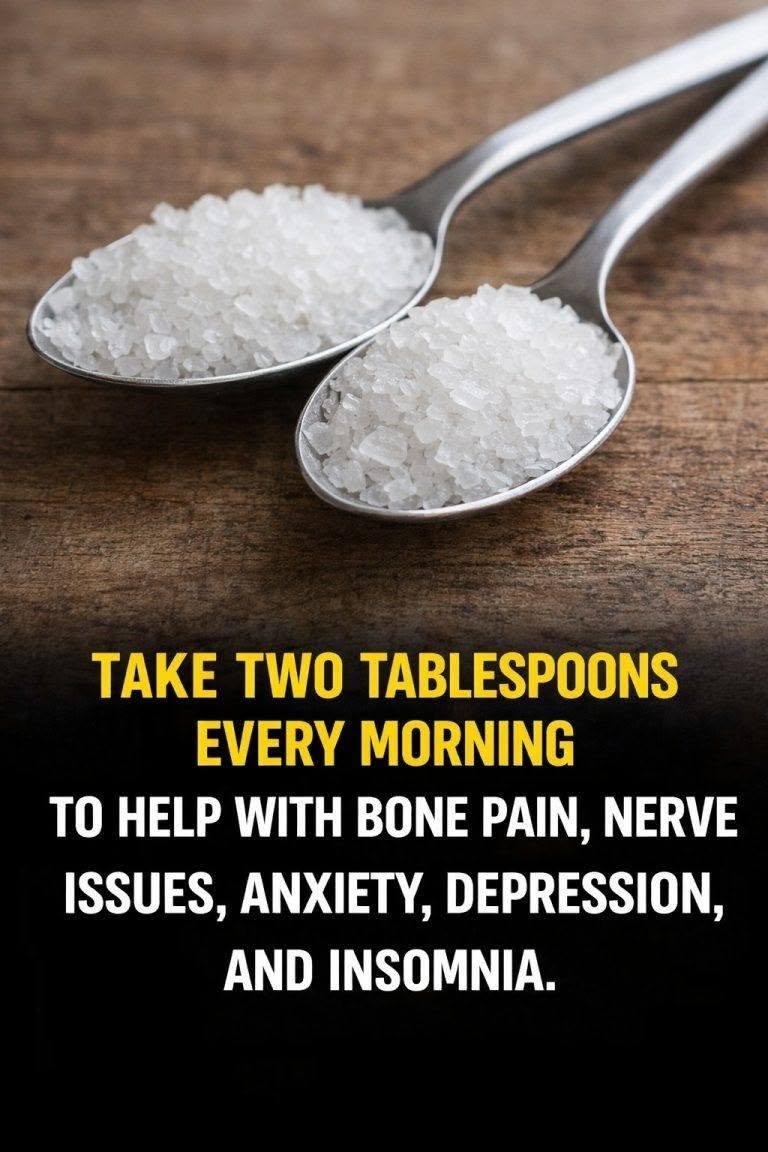
The word “superfood” sounds powerful, but it is important to separate nutrition from exaggerated health claims. There is no scientifically defined food category called a superfood, and no single ingredient can provide every nutrient or prevent or treat every disease. Foods such as berries, leafy greens, nuts, fatty fish, whole grains, and other minimally processed foods can be especially nutrient-dense and may contribute to better long-term health when included in a balanced eating pattern. For example, berries provide fiber and beneficial plant compounds, while nuts provide protein and healthier unsaturated fats. The important point is that these foods work as part of an overall healthy diet, rather than acting like medicines that can independently “tackle” major diseases.
A nutritious food can support several aspects of health because it supplies a combination of fiber, vitamins, minerals, healthy fats, protein, and plant compounds. Diets rich in vegetables and fruits are associated with a lower risk of cardiovascular disease and stroke, while healthy dietary patterns such as Mediterranean- and DASH-style diets have demonstrated benefits for cardiovascular and metabolic health. However, nutrition science does not support the idea that eating one particular food can cure diabetes, eliminate high blood pressure, reverse cancer, or repair damaged organs. Even foods frequently promoted as superfoods should be consumed in appropriate portions and alongside a variety of other nutritious choices. Harvard experts specifically recommend focusing on a “super plate” rather than relying on individual superfoods, because dietary variety helps provide the broad range of nutrients the body requires.
The most effective approach is therefore to make healthy eating a consistent habit instead of searching for a miracle ingredient. Fill meals with colorful vegetables and fruits, whole grains, legumes, nuts or seeds, and appropriate sources of protein, while keeping highly processed foods, excessive added sugars, saturated fats, and sodium in moderation. If a particular food is being promoted as a treatment for a serious health condition, check the evidence before changing prescribed medication or medical care. Food can play an important role in prevention and overall wellness, but it should complement—not replace—appropriate healthcare. Disclaimer: This article is for general educational and informational purposes only and does not constitute medical diagnosis, treatment, or personalized nutritional advice. “Superfood” is not a medically recognized treatment category, and no single food has been proven to tackle all major health problems. Some online claims may be exaggerated, misleading, or unauthenticated, so always verify important health information through reliable medical sources and consult a qualified healthcare professional.
Leave a Reply