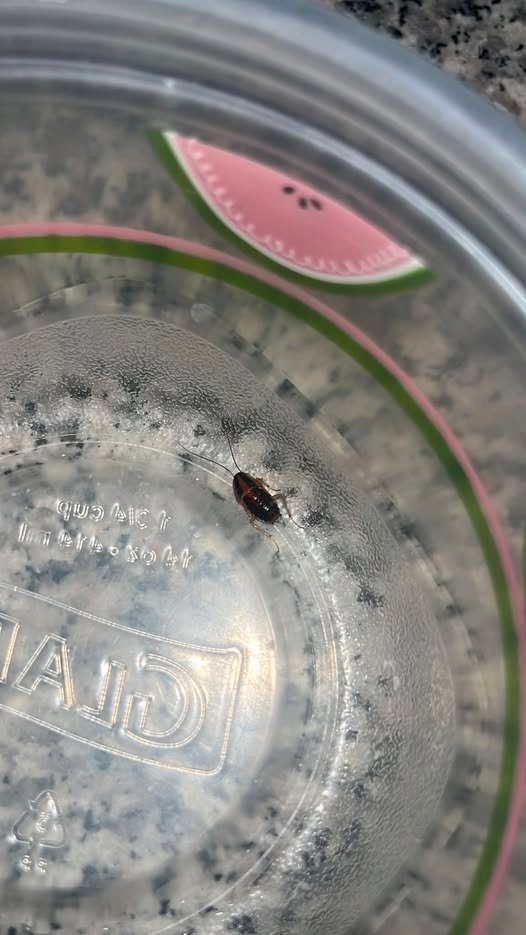
If you have discovered a tiny insect in your home and it resembles a small cockroach, it could be a cockroach nymph, but identification from a brief description alone is not certain. Young cockroaches are usually smaller versions of adults but may look quite different because they lack fully developed wings. Finding two similar insects over two months does not automatically prove that you have a major infestation, but repeated sightings are worth paying attention to, especially if they occur indoors.
Cockroach nymphs can be surprisingly small, often wingless, and may have a flattened body with long antennae and spiny-looking legs. Their coloring varies depending on the species and developmental stage. One important clue is that cockroach nymphs do not have fully developed wings, while adults of many common household species do. However, several other insects can be mistaken for young cockroaches, including beetles and certain outdoor insects. If the insect really is a cockroach nymph, its presence may indicate that adult cockroaches are nearby or that eggs have previously hatched somewhere in or around the home. This does not mean the kitchen is necessarily dirty. Cockroaches can enter buildings through gaps, plumbing openings, drains, packages, grocery bags, or other pathways, and they are attracted to accessible food, water, warmth, and shelter. Areas under sinks, behind refrigerators and appliances, inside cabinets, around plumbing, and along wall gaps can provide hiding places. Keeping food sealed, cleaning crumbs and spills promptly, reducing standing water, and repairing leaks can make the environment less attractive. Sticky monitoring traps can also help determine whether additional insects are present and where activity is occurring.
Because this is reportedly the second sighting in two months, monitoring is more useful than immediately assuming the worst. Take a clear photograph of the insect from above and, if possible, from the side. Note its approximate size, color, location, and whether it had wings. If you continue seeing multiple insects, especially during nighttime, find droppings or egg cases, or notice insects in several areas of the house, consider contacting a qualified pest-control professional for proper identification and inspection. Avoid relying on random sprays throughout the home, particularly around children, pets, food-preparation areas, or ventilation systems. Correct identification is the first step because different pests require different control strategies. Two sightings do not automatically equal an infestation, but repeated sightings should not simply be ignored.
Leave a Reply