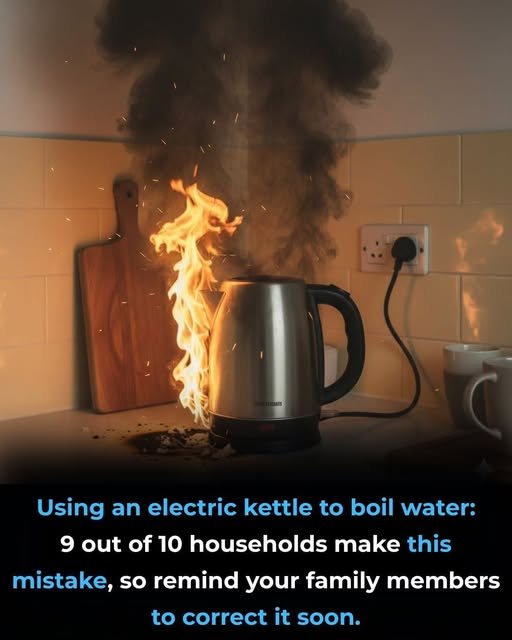
Electric kettles are among the most convenient kitchen appliances, allowing water to reach boiling temperature quickly and efficiently. Yet one common mistake can reduce their performance and shorten their lifespan: filling the kettle with more water than you actually need. Many people fill the kettle to the maximum line every time, even when they only need one or two cups. This uses unnecessary electricity and takes longer to boil. A simple change—measuring only the amount of water required—can make everyday kettle use more efficient.
Another important habit is paying attention to the minimum and maximum water markings inside the kettle. Never operate an electric kettle below its required minimum level, because inadequate water can cause the heating element to overheat in some models. At the same time, filling beyond the maximum line can cause boiling water to spill or escape through the spout, creating a potential scalding hazard. Manufacturers commonly advise placing the kettle on a stable, dry surface, keeping the electrical connection away from water, and allowing the appliance to switch off automatically after boiling. Regular descaling is also important, particularly in areas with hard water. Mineral deposits can accumulate inside the kettle and heating element, potentially reducing heating efficiency. Cleaning instructions vary by manufacturer, so the safest approach is to follow the appliance manual rather than using an aggressive cleaning method that could damage components. Never immerse the electrical base or kettle controls in water, and unplug the appliance when cleaning or when it is not designed to remain connected.
A few simple habits can make your electric kettle safer, cleaner, and more energy-efficient. Measure the water you need, stay within the marked limits, keep the appliance and base dry, descale it periodically according to the manufacturer’s instructions, and replace the kettle if its cord, plug, housing, or other electrical components become damaged. If you notice unusual smells, sparks, repeated electrical tripping, leakage, or malfunctioning controls, stop using the appliance and have it assessed or replaced. The “9 out of 10 households” statistic is not something that can be reliably established without a specific survey, but the underlying advice is practical: avoid overfilling and follow the manufacturer’s safety instructions. A small adjustment to an everyday routine can help reduce wasted energy while keeping a frequently used kitchen appliance in better condition.
Leave a Reply