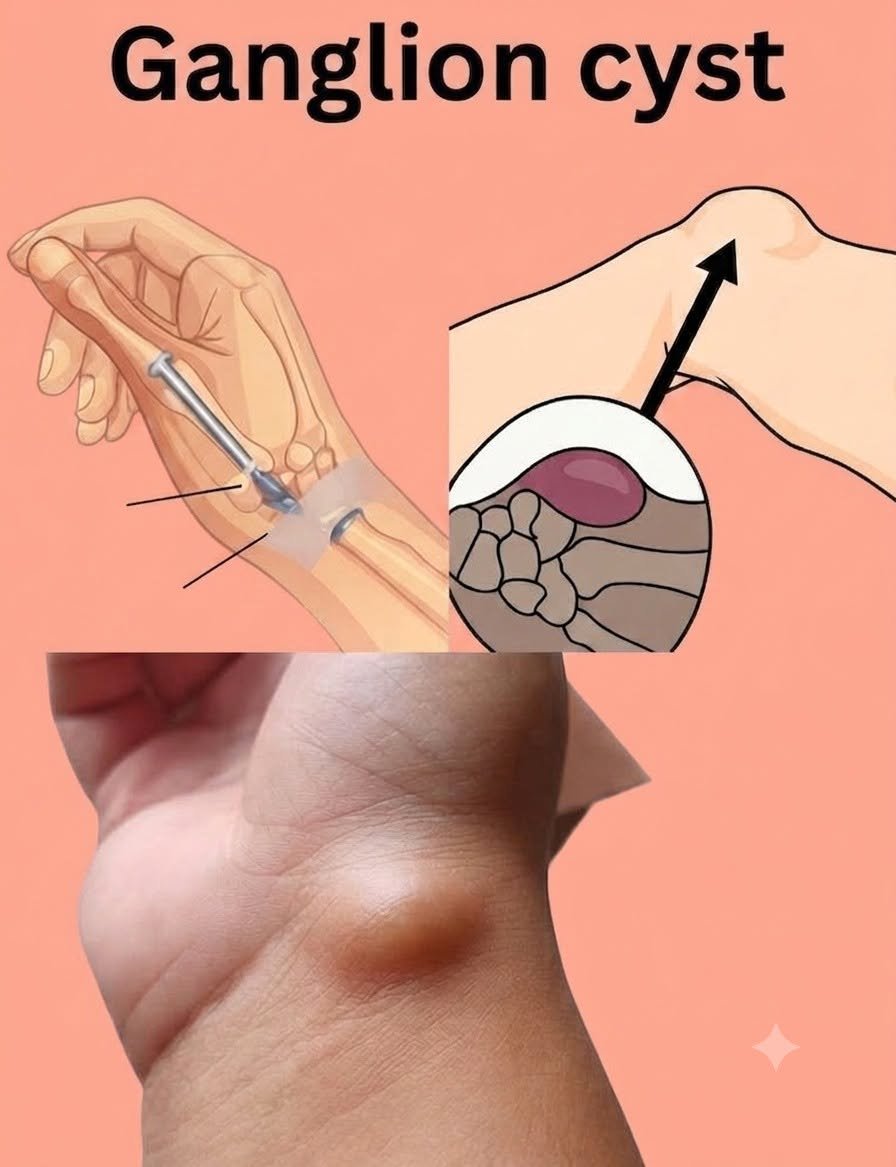
Discovering a new lump or cyst can immediately cause worry, but the good news is that many lumps are harmless. Common examples include skin cysts, lipomas, swollen glands, and ganglion cysts. Skin cysts are usually round growths beneath the skin and often do not require treatment unless they become painful, infected, or troublesome. A soft lump that moves slightly under the skin may have a different cause from a firm lump that remains fixed. Because appearances can overlap, however, it is not advisable to diagnose a lump yourself. The location, size, texture, how quickly it appeared, and whether it is changing can all provide important information to a healthcare professional.
There are several warning signs that deserve medical attention. The NHS recommends getting a lump checked if it becomes larger, remains for more than two weeks, is painful, red or hot, or feels hard and does not move. Rapid growth is another reason to arrange an examination. In some cases, a painful, warm, or red lump may be associated with an infection or abscess, particularly when accompanied by fever or feeling unwell. Most cysts are not cancerous, but some serious conditions can initially resemble ordinary lumps, which is why an unexplained or changing growth should be professionally assessed rather than ignored. Depending on the situation, a doctor may perform a physical examination and, if necessary, recommend an ultrasound, other imaging, or occasionally a biopsy.
The safest approach is don’t panic, but don’t ignore a persistent or changing lump. Avoid squeezing, puncturing, or attempting to remove a cyst yourself because this can cause infection or damage the surrounding skin. If the lump is rapidly enlarging, very painful, hot or red, or associated with fever or other concerning symptoms, seek medical attention promptly. A healthcare professional can determine whether monitoring is enough or whether further investigation or treatment is appropriate. Remember that having a lump does not automatically mean cancer—many are completely benign—but obtaining an accurate diagnosis is far better than relying on internet images or assumptions. Disclaimer: This article is for general educational and informational purposes only and does not constitute medical diagnosis, treatment, or personalized health advice. Lumps and cysts can have many different causes, and some information online may be general, exaggerated, or unauthenticated. Always verify important health information through reliable medical sources and consult a qualified healthcare professional about any new, persistent, painful, rapidly growing, or changing lump.
Leave a Reply