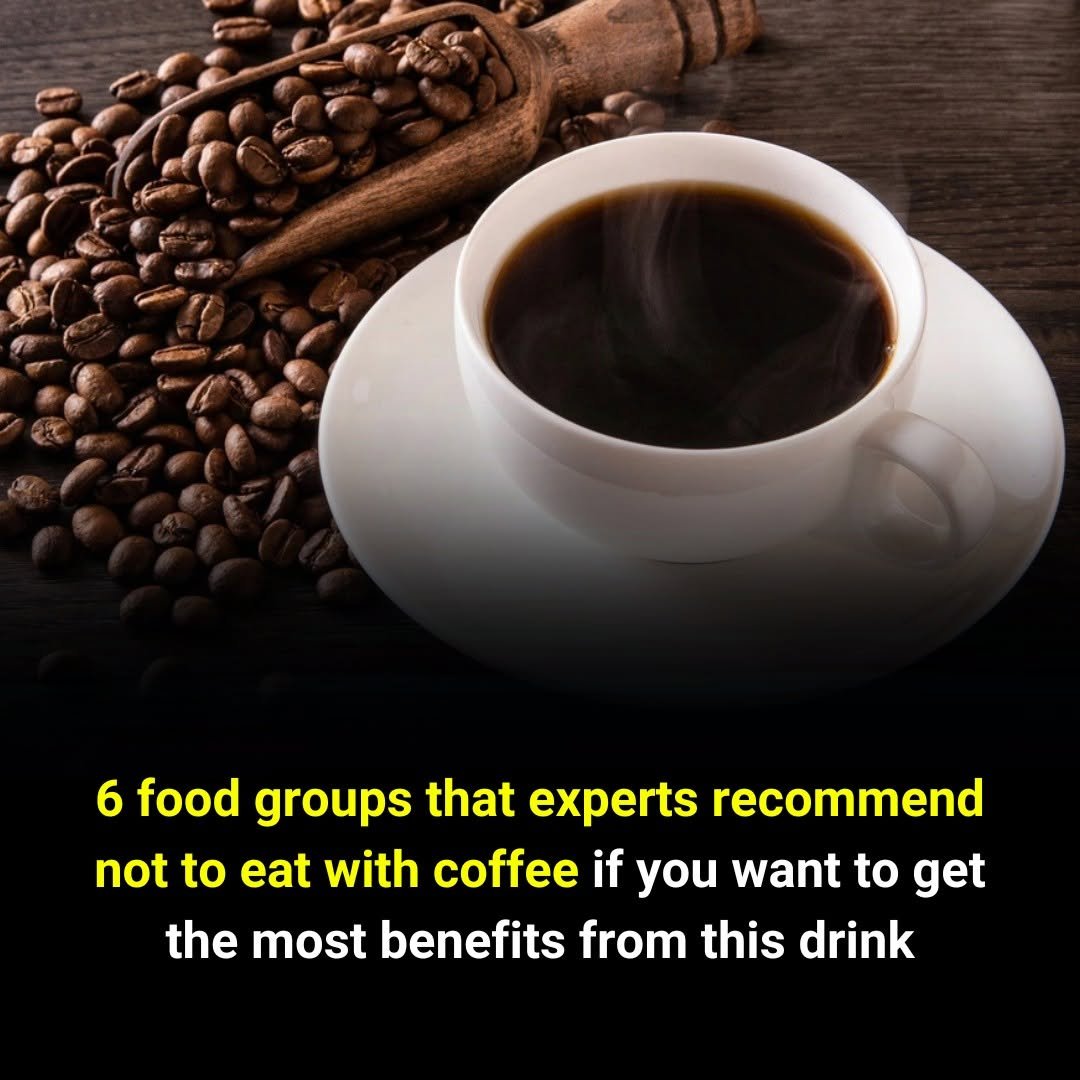
Coffee can be part of a healthy diet for many people, but what you eat around your coffee may matter depending on your digestion and nutritional needs. Coffee and caffeine can stimulate stomach activity, and some people experience heartburn, reflux, bloating, or bowel changes after drinking it. Six categories worth considering are iron-rich foods, very spicy foods, highly acidic foods, high-fat fried foods, large amounts of added sugar, and certain mineral-rich supplements taken alongside coffee. The most evidence-based concern is iron: coffee contains polyphenols that can reduce the absorption of non-heme iron when consumed around a meal. A controlled study found that coffee taken with a meal significantly reduced iron absorption, while delaying coffee by about an hour reduced the effect. (pubmed.ncbi.nlm.nih.gov) This does not mean healthy people must stop eating iron-rich foods or drinking coffee; it may simply be worth separating coffee from iron-focused meals or supplements if iron deficiency is a concern.
People who experience acid reflux or sensitive digestion may also want to be selective about what they pair with coffee. Spicy foods, high-fat meals, chocolate, and acidic foods can aggravate reflux symptoms in some individuals, although triggers vary considerably from person to person. The National Institute of Diabetes and Digestive and Kidney Diseases recommends identifying and avoiding foods or drinks that worsen an individual’s GERD symptoms rather than assuming that every person needs the same restrictions. (niddk.nih.gov) Adding large amounts of sugar or calorie-dense creamers can also turn an otherwise simple drink into a much higher-calorie beverage. If coffee causes stomach discomfort, try drinking a smaller amount, avoiding it on an empty stomach, or switching to a less acidic preparation. Importantly, there is no universal list of six foods that everyone must avoid with coffee; the appropriate choices depend on your symptoms, diet, and health status.
For better nutrient absorption, the most practical strategy is to focus on the overall eating pattern rather than fearing specific food combinations. If you have iron-deficiency anemia or low iron stores, discuss coffee timing with your healthcare professional and consider separating coffee from iron-rich meals or prescribed iron supplements. Vitamin C-rich foods such as citrus fruits, peppers, tomatoes, and broccoli can help improve absorption of non-heme iron when eaten as part of the same meal. (ods.od.nih.gov) If coffee consistently causes severe heartburn, abdominal pain, diarrhea, vomiting, or other persistent digestive symptoms, speak with a healthcare professional rather than simply eliminating multiple nutritious foods. Disclaimer: This article is for general nutritional and digestive-health information only and does not constitute medical diagnosis, treatment, or personalized dietary advice. Coffee does not automatically interfere with all nutrients, and most people do not need to avoid specific foods simply because they drink coffee. Always verify nutrition claims through reliable medical sources and consult a qualified healthcare professional if you have iron deficiency, persistent digestive symptoms, or another medical condition.
Leave a Reply