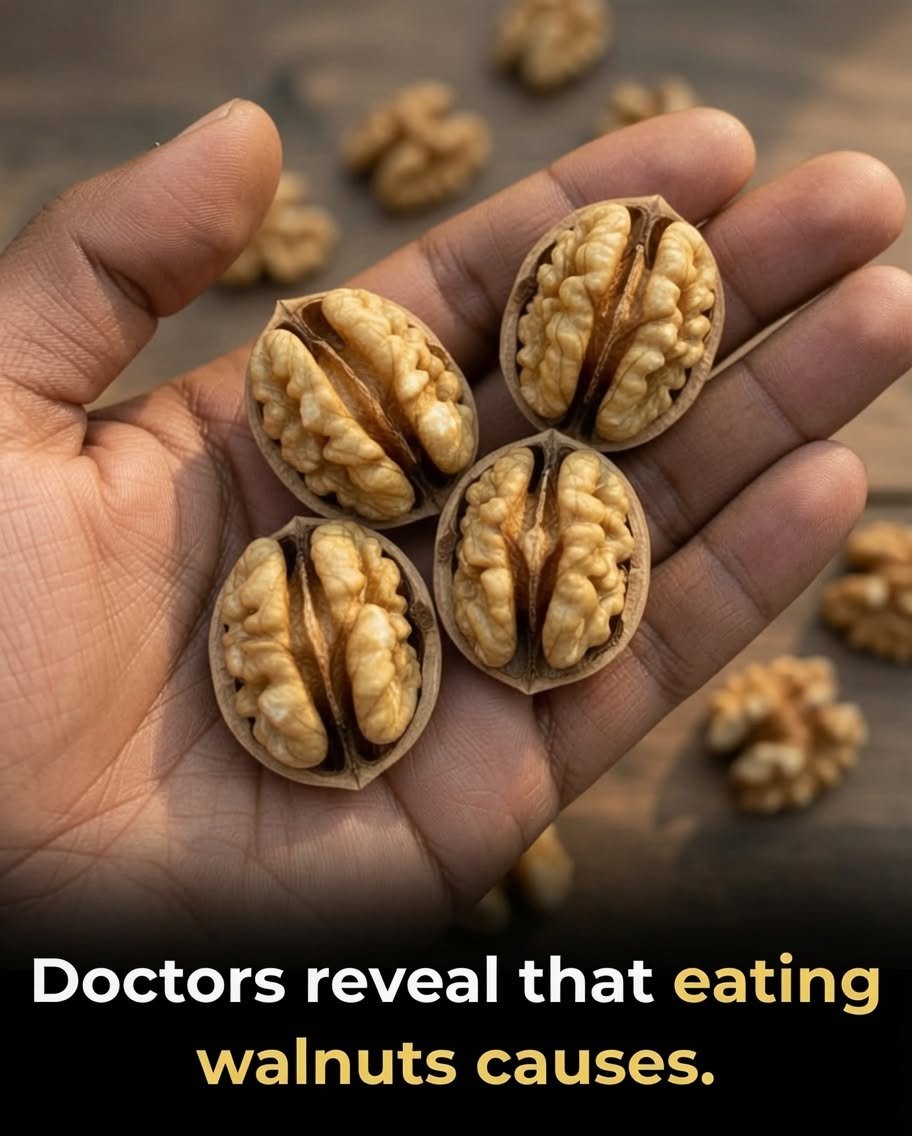
Walnuts are more than a convenient snack—they are a nutrient-dense food rich in unsaturated fats, fiber, plant compounds, and alpha-linolenic acid (ALA), a plant-based omega-3 fatty acid. A growing body of research suggests that regularly including walnuts in the diet may support cardiovascular health, particularly by improving certain blood-lipid measures. A 2026 systematic review and meta-analysis of 49 randomized controlled trials involving more than 4,600 participants found that walnut consumption significantly reduced total cholesterol, LDL cholesterol, and triglycerides, although effects on HDL cholesterol and some other markers were less consistent. Earlier controlled trials have similarly found modest improvements in cholesterol profiles among people consuming walnuts regularly.
One of the most interesting benefits is their potential contribution to heart-friendly eating patterns. In a large two-year study of healthy older adults, people assigned to eat walnuts daily experienced modest reductions in LDL cholesterol and total cholesterol, along with a reduction in the number of LDL particles. Walnuts may also be useful as a replacement for less nutritious snacks because their combination of fat, fiber, and plant protein can make them satisfying. However, walnuts are calorie-dense, so eating large quantities can add substantial calories to the diet. The goal should not be to consume as many walnuts as possible, but to use a reasonable portion—often around a small handful (roughly 28–30 grams)—as part of an overall balanced eating pattern. They should complement vegetables, fruits, whole grains, legumes, and other nutritious foods rather than replace dietary variety.
For an easy everyday habit, choose plain or dry-roasted walnuts without excessive added salt or sugar and add them to oatmeal, yogurt, salads, or fruit, or simply enjoy a small handful as a snack. People with nut allergies should obviously avoid walnuts, and anyone with a medically prescribed dietary restriction should follow their healthcare professional’s advice. It is also important to remember that walnuts are not a cure for high cholesterol, diabetes, heart disease, or any other condition. Their benefits are best understood as part of a broader heart-healthy lifestyle that includes nutritious foods, physical activity, adequate sleep, and appropriate medical care. Disclaimer: This article is for general educational and nutritional information only and does not constitute medical diagnosis, treatment, or personalized dietary advice. Research supports potential cardiovascular and lipid benefits from regular walnut consumption, but individual results vary and walnuts should not replace prescribed treatment. Always verify important health claims through reliable scientific sources and consult a qualified healthcare professional for individualized guidance.
Leave a Reply