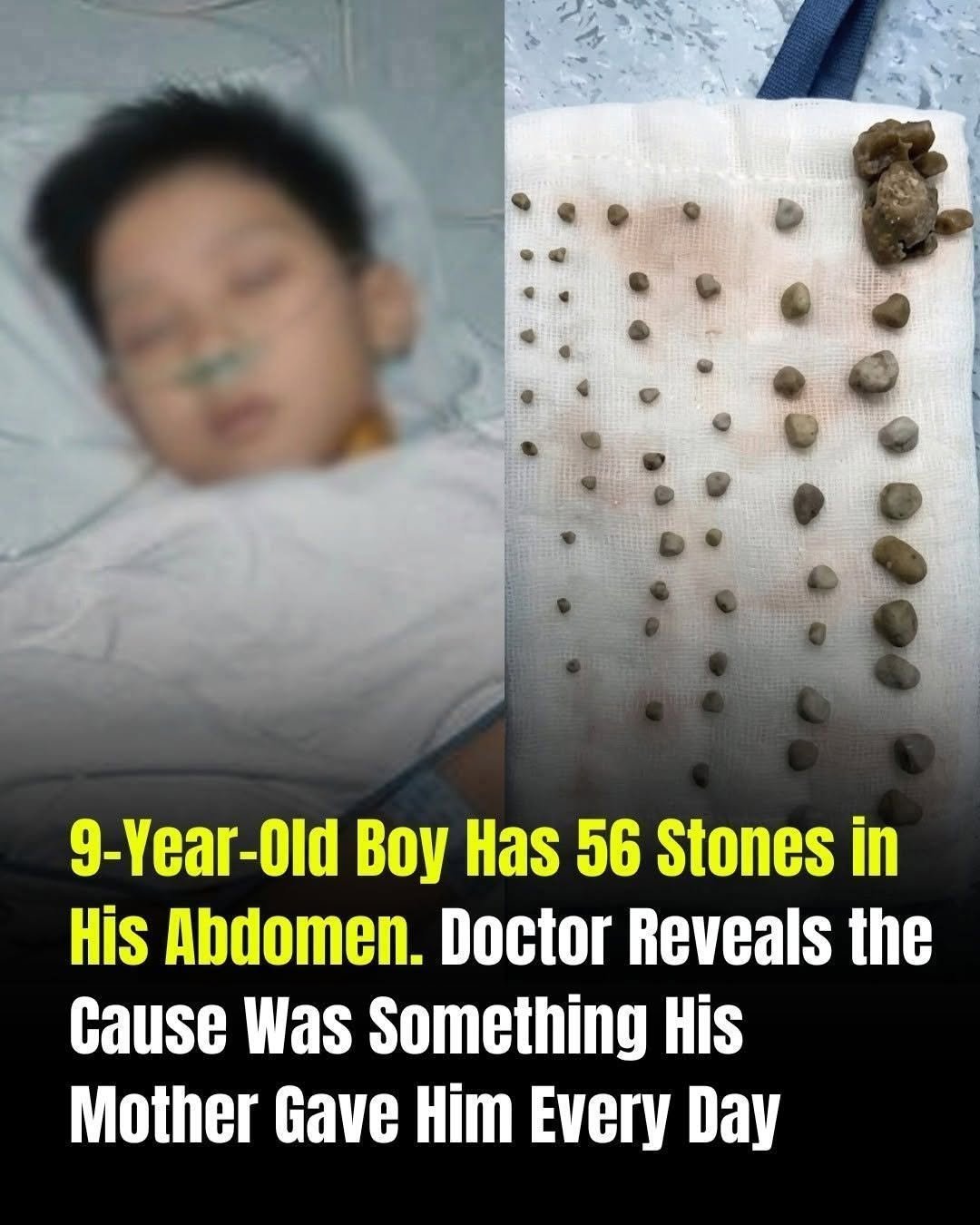
Digital media platforms frequently feature sensationalized medical graphics and alarmist clickbait headlines—such as dramatic stories claiming a child developed dozens of “stones” due to an everyday food or drink provided by a parent. These viral posts are specifically engineered to provoke intense parental guilt, health anxiety, fear of domestic poisoning, and rapid online sharing rather than providing accurate, evidence-based clinical or pediatric education.
From a clinical pediatric urology and nephrology perspective, nephrolithiasis (kidney stones) or urolithiasis (urinary tract stones) in young children is a complex multifactorial condition. While dietary factors—such as excessive dietary sodium, high intake of sugar-sweetened beverages, or inadequate fluid intake—can contribute to stone risk, pediatric stone formation is predominantly driven by underlying metabolic abnormalities, structural anatomical variations in the urinary tract, chronic urinary tract infections, or genetic predispositions (such as hypercalciuria or cystinuria). Sensationalized headlines routinely vilify common dietary staples or single ingredients to manufacture a dramatic narrative of parental fault, reducing complex metabolic medicine to simplistic, fear-inducing click-through metrics.
Maintaining optimal pediatric renal and overall health involves encouraging regular water intake, serving a balanced diet rich in fruits and vegetables, limiting excess sodium and refined sugars, attending routine wellness checkups, and relying on professional clinical guidance rather than alarming internet generalizations. Personalized medical evaluations for children should always reflect thorough laboratory diagnostics, imaging studies, and comprehensive metabolic workups rather than online self-diagnosis. If a child experiences persistent abdominal or flank pain, painful urination, unexplained blood in the urine, or recurrent urinary tract infections, consulting a licensed pediatrician or pediatric urologist provides safe, evidence-based direction.
Leave a Reply