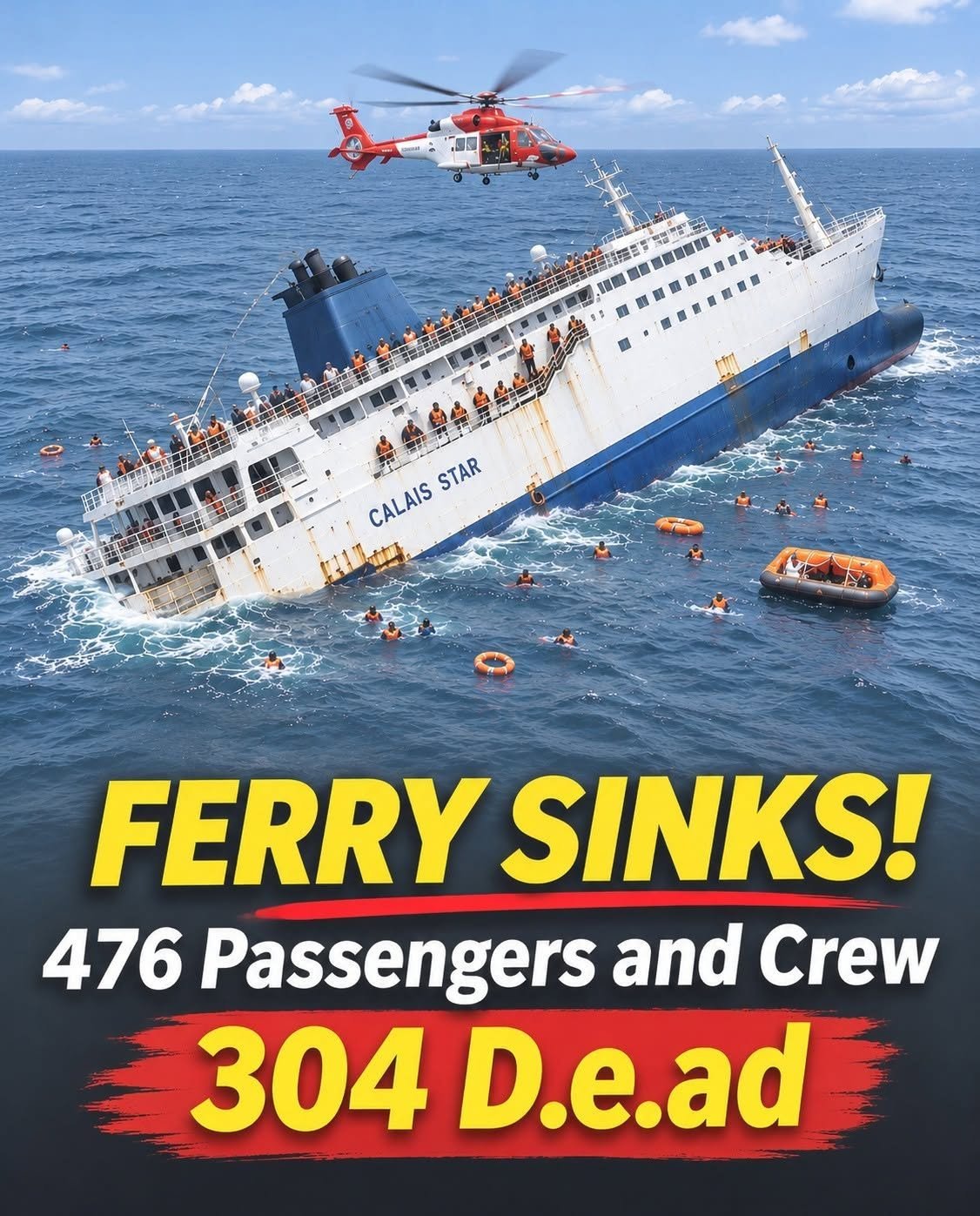
The 2014 MV Sewol ferry disaster remains one of the most heartbreaking maritime tragedies in modern history. On April 16, 2014, the ferry sank off the coast of South Korea while carrying 476 passengers and crew. Among those on board were 325 high school students and 14 teachers from Danwon High School who were traveling on a field trip, resulting in the tragic loss of 304 lives.
Investigations following the disaster revealed multiple systemic failures, including illegal vessel modifications, severe cargo overloading, and inadequate crew training regarding emergency response procedures. Furthermore, delayed evacuation orders compounded the crisis, leading to widespread international scrutiny over maritime safety protocols, regulatory oversight, and emergency dispatch procedures during sudden structural capsizes.
In the aftermath of the catastrophe, South Korea introduced sweeping legal and safety reforms to prevent similar disasters, including stricter cargo auditing, overhauled maritime safety laws, and reconstructed national emergency management systems. The legacy of the disaster serves as a enduring reminder to the global shipping industry regarding the absolute necessity of strict safety compliance and decisive emergency leadership.
Leave a Reply