Blog

  • If Your Hip Hurts, It’s Not Always “Just Aging” — Here’s What It Could Mean

    If Your Hip Hurts, It’s Not Always “Just Aging” — Here’s What It Could Mean

    Hip pain is common, but it is not a clear sign of one specific disease. Several different problems can cause discomfort around the hip, groin, buttock, or upper thigh. In adults over about 45, osteoarthritis is a common possibility, particularly when pain becomes worse with walking or activity and the joint feels stiff after sitting or resting. (nhs.uk) Other causes include muscle or tendon strains, bursitis, injuries, inflammatory arthritis, and pain referred from the lower back. (nhs.uk) Pain on the outside of the hip that becomes worse when lying on that side can occur with bursitis or other soft-tissue problems, while pain traveling down the leg may sometimes originate from the back rather than the hip itself. (myhealth-devon.nhs.uk)

    The pattern of your pain matters. Pain that develops after intense or repetitive exercise may suggest a strain or tendon problem, while gradual pain and stiffness with activity can occur with osteoarthritis. A hot, swollen hip accompanied by fever or feeling unwell is more concerning because a joint infection can require urgent treatment. (nhs.uk) Persistent pain at night, unexplained weight loss, or pain in someone with a history of cancer are also reasons to seek medical assessment rather than assuming the problem is ordinary arthritis. (nhs.uk) Importantly, the location of pain alone cannot establish the diagnosis; a healthcare professional may need to examine your movement, muscles, nerves, and joints and decide whether tests or imaging are appropriate.

    Don’t ignore severe or rapidly worsening hip pain, especially if it follows a fall or injury. Emergency assessment is recommended if you cannot walk or put weight on the leg after an injury, while sudden severe pain without an injury, a hot or swollen hip, or fever with hip pain warrants urgent medical attention. (nhs.uk) For milder pain, avoiding activities that aggravate it while maintaining gentle movement may help, and persistent symptoms should be evaluated if they do not improve. The important message is that hip pain is a symptom, not a diagnosis—and finding its actual cause is the best way to choose appropriate treatment. Disclaimer: This article is for general educational and health information only and does not constitute medical diagnosis, treatment, or personalized advice. Hip pain has many possible causes, and the information above cannot determine what is causing your symptoms. Always verify important health information through reliable medical sources and consult a qualified healthcare professional about persistent, severe, or unusual hip pain.


  • She Ignored the Itching at Night — Until Doctors Gave Her an 8-Month Prognosis

    She Ignored the Itching at Night — Until Doctors Gave Her an 8-Month Prognosis

    Persistent nighttime itching can be easy to dismiss, especially when there is no obvious rash. But unexplained, widespread itching can sometimes be associated with an underlying medical condition, including liver or bile-duct disorders, chronic kidney disease, thyroid problems, diabetes, certain blood disorders, and, less commonly, some cancers. Liver-related itching may be particularly noticeable on the palms and soles and can become worse at night. Conditions such as cirrhosis and disorders affecting bile flow can cause itchy skin alongside other symptoms such as fatigue, jaundice, abdominal swelling, dark urine, pale stools, or easy bruising. However, itching alone does not mean that someone has cancer or terminal disease. Most cases have more common explanations, including dry skin, eczema, allergies, medications, or irritation.

    The dramatic claim that nighttime itching inevitably leads to an “8-month prognosis” is not medically reliable. A prognosis is based on a specific diagnosis, disease stage, test results, response to treatment, and many other individual factors—not on itching by itself. In some cases, persistent unexplained itching can precede the diagnosis of conditions such as lymphoma, but this is uncommon, and medical literature specifically cautions against overemphasizing itching as an early sign of cancer. If itching continues for weeks without an obvious skin cause, a doctor may review medications and exposures and consider blood tests to evaluate liver and kidney function, blood counts, glucose levels, or thyroid function depending on the person’s symptoms and history. This approach can help uncover treatable causes rather than allowing fear to take over.

    The important lesson is simple: don’t panic, but don’t repeatedly ignore unexplained itching either. Arrange a medical evaluation if itching is severe, widespread, persistent, repeatedly disturbing your sleep, or accompanied by unexplained weight loss, fever, night sweats, unusual fatigue, yellowing of the skin or eyes, abdominal swelling, dark urine, or other new symptoms. Early assessment does not mean that a serious diagnosis is expected—it simply gives doctors an opportunity to identify the actual cause and treat it appropriately. Disclaimer: This article is for general educational and health information only and does not constitute medical diagnosis, cancer diagnosis, or personalized prognosis. Nighttime itching has many possible causes and cannot predict life expectancy or establish an “8-month prognosis.” Always verify important health claims through reliable medical sources and consult a qualified healthcare professional about persistent or unexplained symptoms.

  • If Your Mouth Feels Dry at Night, Here Are 8 Possible Reasons Why

    If Your Mouth Feels Dry at Night, Here Are 8 Possible Reasons Why

    Waking up with a dry, sticky mouth is common, but persistent nighttime dry mouth—known medically as xerostomia—can have several different causes. Eight possibilities include 1) mouth breathing, 2) nasal congestion, 3) dehydration, 4) medications, 5) alcohol or tobacco use, 6) anxiety or stress, 7) certain medical conditions, and 8) salivary-gland problems. Mouth breathing can happen when your nose is blocked or when you sleep with your mouth open, allowing moisture to evaporate more quickly. (nidcr.nih.gov) Many commonly used medications—including some antihistamines, decongestants, antidepressants, blood-pressure medicines, and pain medicines—can also reduce saliva production. (nidcr.nih.gov) Occasional dryness after a warm night or insufficient fluid intake is usually less concerning, but regular symptoms deserve more attention.

    Medical conditions can sometimes contribute as well. Diabetes, for example, may cause dry mouth, particularly when blood sugar is poorly controlled and increased urination contributes to fluid loss. Sjögren’s disease, an autoimmune condition affecting moisture-producing glands, can cause persistent dryness of the mouth and eyes. (niddk.nih.gov) Snoring and obstructive sleep apnea can also be associated with dry mouth, particularly when a person breathes through the mouth during sleep. (sleepfoundation.org) Alcohol, smoking, and some recreational substances can worsen dryness, while excessive caffeine may contribute to discomfort for some people. Importantly, dry mouth itself can increase the risk of tooth decay, gum disease, mouth infections, difficulty swallowing, and problems speaking or tasting, because saliva helps protect oral tissues. (nidcr.nih.gov)

    Simple steps may help: drink adequate fluids during the day, use a humidifier if your bedroom air is very dry, breathe through your nose when possible, and maintain careful oral hygiene. Sugar-free gum or sugar-free lozenges can stimulate saliva production, while limiting tobacco, alcohol, and excessive caffeine may also help. (nidcr.nih.gov) If your mouth remains dry for weeks, you have difficulty swallowing, frequent mouth infections, significant tooth problems, very dry eyes, or symptoms of excessive thirst and urination, arrange a medical or dental evaluation. Do not stop prescription medication simply because you suspect it is causing dryness; ask your healthcare professional about alternatives instead. Disclaimer: This article is for general educational and health information only and does not constitute medical diagnosis, treatment, or personalized advice. Nighttime dry mouth has many possible causes, and the symptom alone cannot diagnose diabetes, sleep apnea, or another disease. Always verify important health information through reliable medical sources and consult a qualified healthcare professional or dentist about persistent or worsening symptoms.

  • Most People Think Cabbage Is Healthy—But It May Not Be Ideal for Everyone

    Most People Think Cabbage Is Healthy—But It May Not Be Ideal for Everyone

    Cabbage is generally a nutritious, affordable vegetable and is a good source of fiber, vitamin C, vitamin K, and various plant compounds. Research on cruciferous vegetables—including cabbage, broccoli, kale, and cauliflower—has generally found them to be safe and potentially beneficial as part of a balanced diet. However, that doesn’t mean cabbage is equally comfortable or appropriate for everyone. Some people experience gas, bloating, abdominal discomfort, or diarrhea after eating larger amounts because cruciferous vegetables contain fermentable carbohydrates and fiber. People with digestive sensitivities, including some individuals with IBS, may therefore find that cabbage triggers symptoms even though it is healthy overall.

    Another group that may need to pay attention is people taking warfarin, a commonly prescribed blood thinner. Cabbage and other cruciferous vegetables contain vitamin K, which can affect warfarin’s anticoagulant effect. This does not necessarily mean someone taking warfarin must completely avoid cabbage; maintaining a consistent intake of vitamin-K-containing foods and discussing major dietary changes with a healthcare professional is generally more important. People with thyroid concerns sometimes worry that cabbage can worsen hypothyroidism because cruciferous vegetables contain compounds that can interfere with iodine utilization. However, a comprehensive systematic review found that the vast majority of evidence does not support harmful effects on thyroid function from reasonable dietary consumption, particularly when iodine intake is adequate. Extremely large quantities of raw cruciferous vegetables are a different situation and should not be confused with ordinary servings.

    For most people, there is no reason to remove cabbage from a healthy diet. If it causes digestive discomfort, try a smaller portion, experiment with cooked rather than raw cabbage, and observe whether your symptoms improve. Anyone taking warfarin should avoid suddenly making major changes to their intake without speaking with their healthcare provider. And if eating cabbage causes hives, swelling, wheezing, or difficulty breathing, a possible food allergy requires appropriate medical evaluation. The bigger lesson is that a food can be healthy while still being unsuitable for certain individuals or quantities. Disclaimer: This article is for general educational and nutritional information only and does not constitute medical diagnosis, treatment, or personalized dietary advice. Cabbage is generally safe for most people, and claims that it is inherently harmful to people with thyroid conditions are not supported by current evidence. Always verify important health claims through reliable scientific sources and consult a qualified healthcare professional about persistent symptoms, medication interactions, or individual dietary concerns.

  • Your Hands May Be Sending Important Signals — Common Causes of Numbness and Tingling

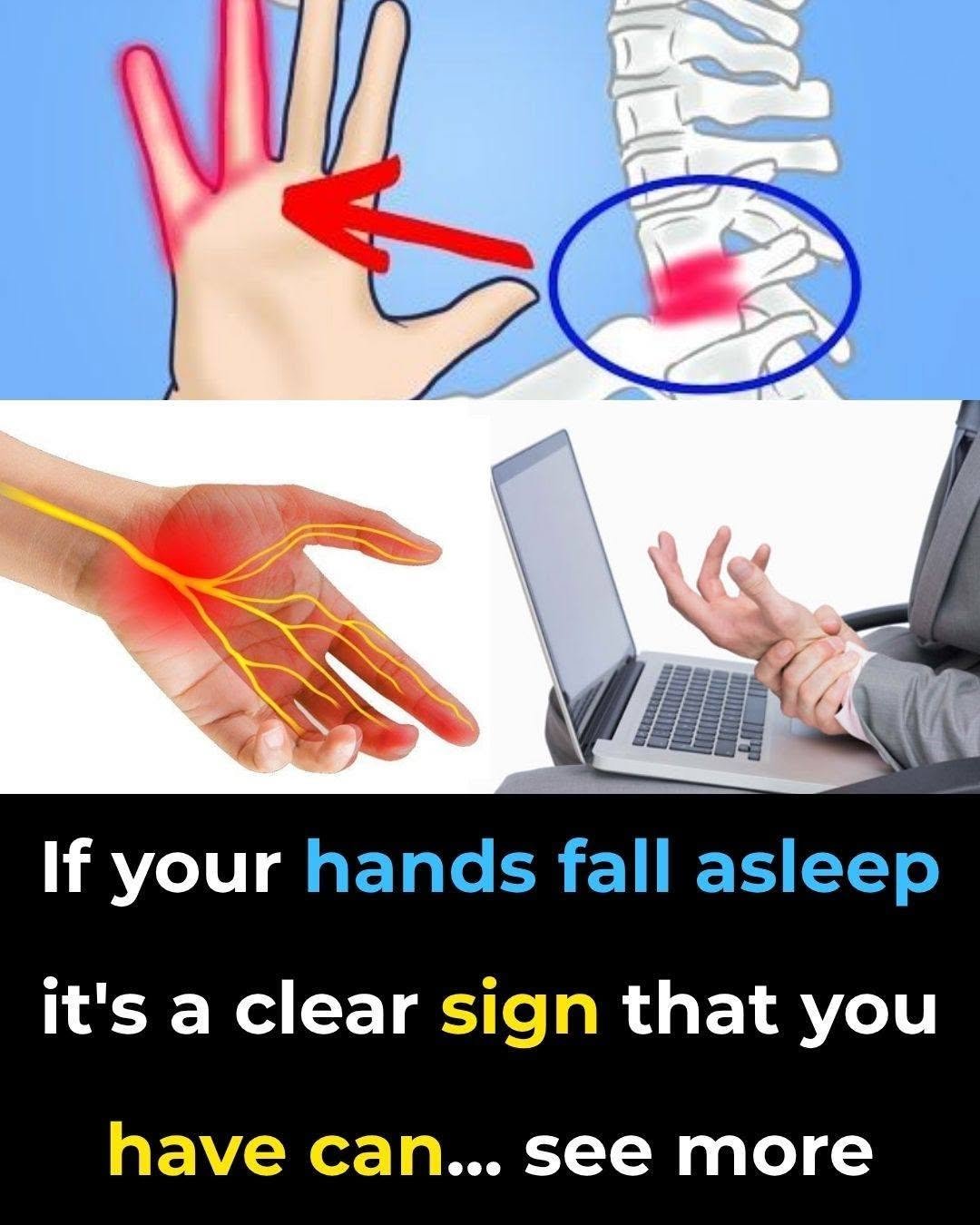
    Your Hands May Be Sending Important Signals — Common Causes of Numbness and Tingling

    Numbness or tingling in the hands can happen for something as simple as sleeping on an arm or keeping the wrist in an awkward position for too long. But when these sensations keep returning, last for a long time, or occur without an obvious reason, they may deserve medical attention. One common cause is carpal tunnel syndrome, which occurs when the median nerve is compressed at the wrist and can produce numbness, tingling, burning, or weakness, particularly in the thumb, index, middle, and part of the ring finger. (orthoinfo.aaos.org) Nerve compression elsewhere in the neck, shoulder, or arm can cause similar symptoms. Diabetes is another important cause because persistently elevated blood sugar can damage peripheral nerves, often beginning with tingling or numbness in the hands or feet. (niddk.nih.gov)

    Other possibilities include vitamin deficiencies, thyroid disorders, certain medications, alcohol-related nerve damage, autoimmune conditions, and circulation problems. Vitamin B12 deficiency, for example, can cause numbness, tingling, weakness, balance problems, and other neurological symptoms. (ods.od.nih.gov) Nerve symptoms can also result from injury or pressure on nerves in the spine. The location and pattern can provide useful clues: symptoms affecting several fingers in a particular distribution may suggest a compressed nerve, while symptoms affecting both hands and feet can point toward a more generalized peripheral nerve problem. Because these symptoms have many possible causes, doctors may consider your medical history, medications, physical examination, blood tests, and sometimes nerve-conduction studies or imaging when appropriate.

    The most important point is to pay attention to sudden or rapidly worsening symptoms. If numbness or weakness suddenly affects one side of the body, particularly when accompanied by facial drooping, difficulty speaking, confusion, severe dizziness, or trouble walking, it can be a warning sign of stroke and requires emergency medical attention. (stroke.org) For ongoing tingling, weakness, loss of coordination, or symptoms that repeatedly wake you at night, arrange a medical evaluation rather than relying on supplements or home remedies. Early assessment can help identify treatable causes and prevent certain nerve problems from worsening. Disclaimer: This article is for general educational and health information only and does not constitute medical diagnosis, treatment, or personalized advice. Hand numbness and tingling have many possible causes, and the symptom alone cannot identify a specific disease. Always verify important health information through reliable medical sources and consult a qualified healthcare professional about persistent, recurrent, or sudden symptoms.

  • What Really Happens When You Urinate in the Shower

    What Really Happens When You Urinate in the Shower

    Urinating in the shower is generally not medically dangerous for most healthy adults, especially when the shower area is cleaned regularly. Urine is mostly water along with dissolved waste products and salts, and healthy urine typically contains very few bacteria when it leaves the bladder. However, that does not mean bathroom surfaces remain sterile. Once urine contacts the shower floor, drains, or other surfaces, microorganisms already present in the bathroom can interact with it. Good hygiene therefore matters more than the act itself. Cleaning the shower regularly, rinsing the floor thoroughly, and washing your hands after using the bathroom are sensible ways to maintain hygiene.

    There is also a practical reason some experts caution against making shower urination a regular habit: your bladder can become associated with the sound or sensation of running water. The phenomenon is related to classical conditioning and may be relevant for people who already experience urinary urgency or overactive-bladder symptoms. Hearing running water can act as a trigger for the urge to urinate, although simply urinating in the shower does not mean you will develop a bladder disorder. For people with urinary leakage, frequent urgency, pelvic-floor problems, or difficulty controlling urination, discussing symptoms with a healthcare professional is more useful than focusing on shower habits alone.

    Another consideration is personal hygiene and plumbing. Urine itself is unlikely to damage a properly functioning shower drain, but frequent urination can contribute to unpleasant odors if surfaces are not rinsed or cleaned. People with certain infections or medical conditions may also have urine that contains blood, unusual substances, or a strong odor, which should not simply be attributed to something they ate or drank. Persistent burning during urination, blood in the urine, fever, severe pain, or major changes in urinary frequency should be medically evaluated. Ultimately, occasional urination in the shower is unlikely to cause a serious health problem for most people, but regular bathroom hygiene and attention to urinary symptoms are still important. Disclaimer: This article is for general educational and health information only and does not constitute medical diagnosis, treatment, or personalized advice. Individual circumstances can vary, particularly for people with urinary or pelvic-floor conditions. Always verify important health information through reliable medical sources and consult a qualified healthcare professional about persistent or concerning urinary symptoms.

  • He Ate Garlic Every Day for 5 Months — What Happened to His Kidneys Surprised Doctors

    He Ate Garlic Every Day for 5 Months — What Happened to His Kidneys Surprised Doctors

    Garlic has a strong reputation as a nutritious food, but the dramatic claim that eating it every day for five months will damage the kidneys is not supported by good evidence. Garlic contains sulfur compounds and other plant substances that have been studied for possible cardiovascular and metabolic benefits. The National Center for Complementary and Integrative Health notes that oral garlic has been used safely in research studies lasting as long as seven years, although side effects such as abdominal discomfort, nausea, gas, and bad breath can occur. (nccih.nih.gov) Research investigating garlic’s effects on kidney health has also produced potentially beneficial findings, but much of the evidence comes from laboratory and animal studies rather than strong long-term human trials. (pubs.rsc.org) Therefore, ordinary amounts of garlic used in cooking should not automatically be considered dangerous to the kidneys.

    The situation can be different when people consume large amounts of concentrated garlic supplements or extracts. Case reports have linked excessive garlic supplementation with significant bleeding complications, including a report involving a man who had been taking garlic supplements for several years and experienced severe blood in the urine after a prostate procedure. Researchers suggested that garlic’s antiplatelet effects may have contributed. (pubmed.ncbi.nlm.nih.gov) Another published case described a kidney hematoma following shock-wave treatment for kidney stones in a patient taking aged garlic extract, with the authors highlighting the potential bleeding effects of herbal products. (pubmed.ncbi.nlm.nih.gov) These reports do not prove that normal dietary garlic causes kidney failure. They mainly demonstrate why concentrated supplements deserve more caution, particularly before surgery or procedures and when combined with anticoagulants or antiplatelet medicines. (nccih.nih.gov)

    If you enjoy garlic, using reasonable amounts as part of normal meals is generally very different from taking high-dose extracts every day. People with kidney disease should discuss supplements and major dietary changes with their healthcare professional, especially because individual kidney function, medications, and other health conditions can change the risk profile. And if someone develops blood in the urine, markedly reduced urination, swelling, severe flank pain, unusual weakness, or other concerning symptoms, medical evaluation is more appropriate than assuming garlic is responsible. The bigger lesson is to distinguish a whole food from a concentrated supplement and to avoid sensational claims that one ingredient automatically “cleans” or “destroys” the kidneys. Disclaimer: This article is for general educational and nutritional information only and does not constitute medical diagnosis, treatment, or personalized advice. Current evidence does not establish that ordinary dietary garlic eaten for five months causes kidney failure. Case reports involving concentrated garlic supplements cannot be generalized to everyone. Always verify health claims through reliable scientific sources and consult a qualified healthcare professional about kidney symptoms, medications, or supplement use.

  • Cheap, Easy to Find, and Loaded With Calcium — These Vegetables Deserve More Attention

    Cheap, Easy to Find, and Loaded With Calcium — These Vegetables Deserve More Attention

    When people think about calcium, milk, yogurt, and cheese usually come to mind first. But several affordable vegetables can also contribute meaningful amounts of this essential mineral. Collard greens, kale, bok choy, turnip greens, and broccoli are among the plant foods worth adding to a varied diet. For example, one cup of cooked collard greens provides roughly 268 mg of calcium, while cooked kale provides about 177 mg and bok choy around 158 mg. Calcium is important for maintaining strong bones and teeth, but it also plays roles in normal muscle contraction, nerve signaling, and other essential body functions. These vegetables can therefore be useful additions for people who want to increase their calcium intake without relying exclusively on dairy products.

    However, the amount of calcium listed in a food is not the whole story. Your body does not absorb all the calcium you consume, and absorption varies considerably between foods. Spinach, for example, contains a substantial amount of calcium on paper, but its high oxalate content significantly reduces how much calcium the body can absorb. The National Institutes of Health notes that calcium absorption from spinach is much lower than from foods such as kale and broccoli. This is one reason vegetables such as kale, bok choy, and broccoli can be particularly practical plant-based calcium sources. Vitamin D status also matters because the body needs vitamin D to absorb calcium effectively. Rather than focusing on one “super vegetable,” eating a variety of nutrient-rich foods is a better long-term strategy.

    Making these vegetables part of everyday meals does not have to be complicated. Kale can be added to soups or lightly sautéed, bok choy works well in stir-fries, broccoli can be steamed or roasted, and turnip or collard greens can be cooked as a side dish. The U.S. Office of Disease Prevention and Health Promotion specifically lists collard greens, turnip greens, bok choy, kale, broccoli, and other vegetables as useful calcium sources. If you are concerned about bone health or believe you are not getting enough calcium, don’t rely on vegetables alone—calcium-fortified foods, dairy products, or other appropriate sources may also help meet your needs. Disclaimer: This article is for general educational and nutritional information only and does not constitute medical diagnosis, treatment, or personalized dietary advice. Calcium content and absorption vary by food, preparation, and individual factors. Always verify nutrition information through reliable sources and consult a qualified healthcare professional or registered dietitian if you have specific nutritional or bone-health concerns.

  • What Happens to Your Body When You Eat a Banana Before Bedtime? Doctors Explain

    What Happens to Your Body When You Eat a Banana Before Bedtime? Doctors Explain

    Eating a banana before bed can be a nutritious evening snack, but it is not a guaranteed sleep remedy. A medium banana provides carbohydrates, fiber, potassium, and smaller amounts of magnesium and vitamin B6. Bananas also contain tryptophan, an amino acid involved in the production of serotonin and melatonin, which play roles in regulating sleep. However, the amount of these nutrients in one banana is relatively modest, so claims that a banana will automatically make you fall asleep faster are overstated. A small 2024 clinical study involving just 21 people with insomnia found that participants who ate a portion of banana at bedtime experienced an improvement in subjective sleep-quality scores after six weeks, but the study was small and participants were not randomly assigned, so stronger research is needed.

    Another possible benefit is feeling satisfied during the night. The fiber in bananas can contribute to fullness, which may be useful if hunger tends to disturb your sleep. Potassium also supports normal muscle and nerve function, while magnesium contributes to normal muscle and nervous-system function. However, eating a banana does not guarantee protection against nighttime leg cramps, and potassium deficiency is not the usual explanation for every episode of cramping. For some people, eating fruit in the evening may be perfectly comfortable, while others may experience bloating, reflux, or digestive discomfort. People with diabetes or blood-sugar concerns may also want to consider the banana’s carbohydrate content as part of their overall diet rather than treating it as a special bedtime food.

    Ultimately, timing matters less than your overall eating pattern and sleep routine. If you enjoy bananas and they do not cause discomfort, having one as part of a balanced evening snack is generally reasonable for most healthy adults. You can pair it with a small amount of unsweetened yogurt or nuts if you want additional protein and healthy fats. But if you regularly struggle to fall asleep, wake repeatedly during the night, snore loudly, gasp during sleep, or experience significant daytime sleepiness, don’t rely on bananas or other foods as treatment—persistent sleep problems deserve professional evaluation. Disclaimer: This article is for general educational and nutritional information only and does not constitute medical diagnosis, treatment, or personalized dietary advice. Current evidence suggests bananas may fit into a healthy bedtime routine, but there is not enough evidence to claim that eating a banana before bed reliably improves sleep for everyone. Always verify health claims through reliable scientific sources and consult a qualified healthcare professional about persistent sleep problems or individual dietary concerns.

  • Have You Noticed White Patches on Your Skin? Experts Explain the Possible Causes

    Have You Noticed White Patches on Your Skin? Experts Explain the Possible Causes

    White or unusually light patches on the skin can appear for many reasons, and they do not automatically mean something serious. One well-known cause is vitiligo, an autoimmune condition in which the immune system attacks melanocytes—the cells responsible for producing skin pigment. Vitiligo can cause sharply lighter or completely white patches, often appearing on areas such as the hands, face, feet, or around the mouth and eyes. Another common possibility is tinea versicolor, a superficial yeast infection that can produce lighter or darker patches, particularly on the chest, back, shoulders, and neck. It is common in warm, humid environments and may sometimes cause mild scaling or itching.

    Other causes include pityriasis alba, eczema, psoriasis, and changes in pigmentation after an injury, rash, or inflammation. Pityriasis alba is particularly common in children and teenagers and can leave round or oval lighter patches, often on the face or upper body. A light patch can also develop after a skin injury or previous inflammation as the skin temporarily produces less pigment. This is why appearance alone is not enough to determine the cause. Dermatologists may examine the skin under specialized lighting, such as a Wood’s lamp, and consider your medical history and other symptoms before making a diagnosis.

    If a white patch is new, enlarging, spreading, repeatedly appearing, or accompanied by scaling, itching, hair losing its color, or other unusual changes, arranging an evaluation with a dermatologist is a sensible step. People with vitiligo may also have a higher likelihood of certain autoimmune conditions, including thyroid disease, although developing another condition is not inevitable. Avoid applying harsh bleaching products or unproven home remedies before knowing the cause, as irritation can make pigmentation problems worse. Disclaimer: This article is for general educational and health information only and does not constitute medical diagnosis, treatment, or personalized advice. White patches have many possible causes, and their appearance alone cannot confirm a specific condition. Always verify important health information through reliable medical sources and consult a qualified dermatologist or healthcare professional about new or persistent skin changes.