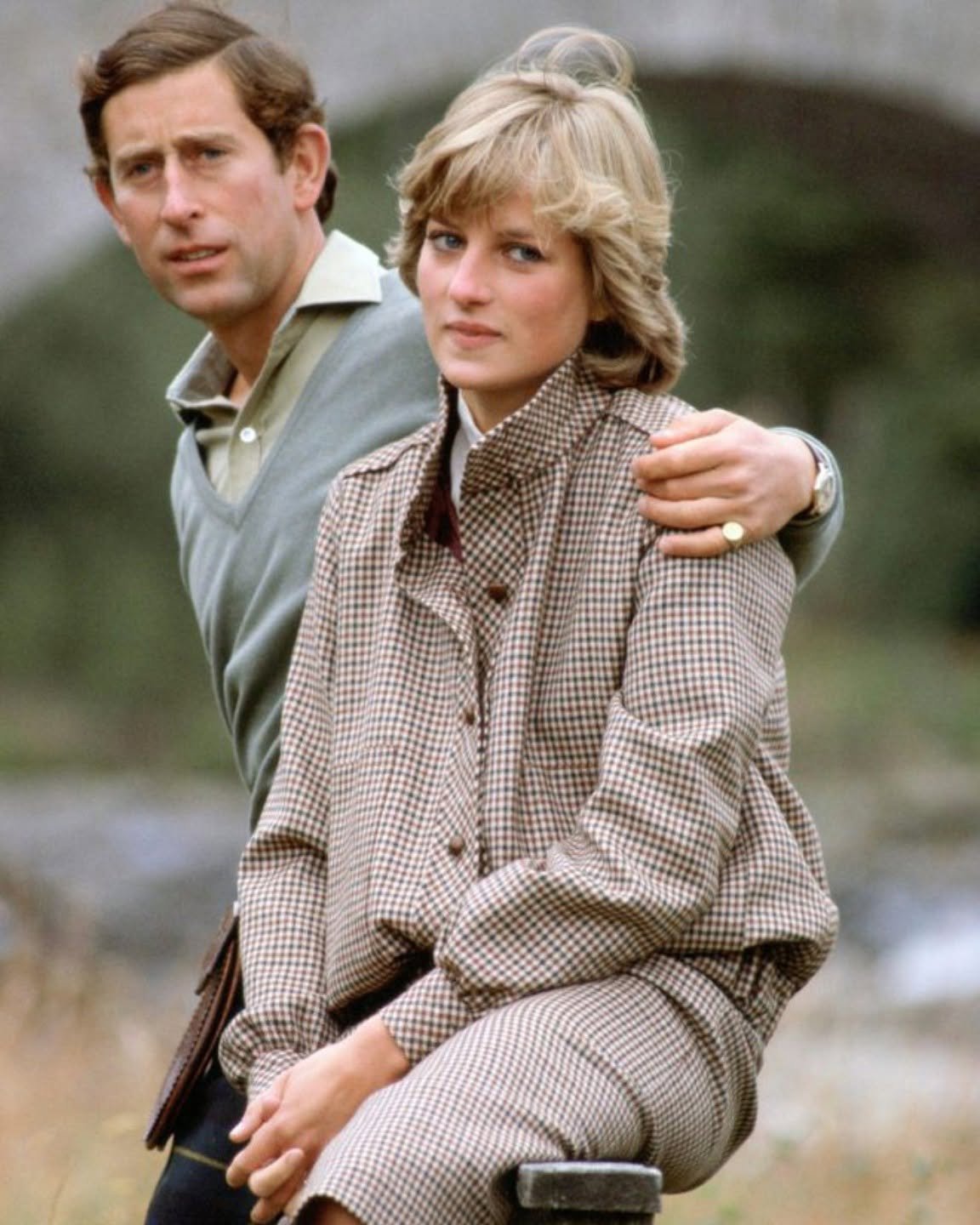
Vintage photographs of the British royal family frequently resurface online with sensationalized captions urging viewers to spot a “hidden detail” or optical anomaly that supposedly changes history. These viral posts rely heavily on exaggerated claims of unedited perfection or mysterious anomalies to spark widespread curiosity and algorithmic engagement across social media feeds.
From a media literacy and optical analysis perspective, these viral sensations are almost always the result of a photographic coincidence, unique perspective framing, or minor digital compression artifact rather than any supernatural occurrence. In this classic portrait of Prince Charles and Princess Diana from their engagement era, viewers often fixate on visual oddities such as the unusual alignment of hands, clothing patterns, or background elements. When two subjects pose closely together in natural environments, depth of field limitations and overlapping silhouettes frequently create harmless optical illusions that trick the human brain into seeing distorted anatomy or impossible positioning.
Maintaining strong digital literacy involves examining viral historical images with a balanced, analytical eye rather than falling for clickbait hype designed to manufacture shock value. Evaluating historical media is most constructive when relying on verified archival records and standard photographic principles rather than internet speculation. When encountering puzzling vintage photos online, turning to established historical archives and professional photo analysis helps clarify the reality behind the optical trick.
Leave a Reply