Category: Uncategorized

  • Protect Your Heart at Night: 3 Drinks You May Want to Avoid Before Bed

    Protect Your Heart at Night: 3 Drinks You May Want to Avoid Before Bed

    What you drink in the evening can influence sleep quality, blood pressure, heart rate, and overall cardiovascular health, although no single bedtime beverage automatically causes heart disease. The first drink worth limiting is high-caffeine beverages, particularly energy drinks, energy shots, strong coffee, and caffeinated soft drinks. Caffeine can temporarily increase blood pressure and heart rate, while consuming it late in the day may interfere with sleep. The American Heart Association’s 2026 scientific statement notes that high doses of caffeine, particularly from energy drinks and concentrated products, may increase the risk of high blood pressure and abnormal heart rhythms. Poor sleep itself is also associated with cardiovascular risk, making late-night caffeine a concern for people who are sensitive to its effects.

    The second category is sugary drinks, including sweetened sodas, sweet tea, flavored beverages, and heavily sweetened nighttime drinks. Drinking large amounts of added sugar provides extra calories without much nutritional value, and regularly consuming sugar-sweetened beverages has been associated with adverse cardiometabolic outcomes. The third is alcoholic beverages, which may make some people feel sleepy initially but can disrupt sleep later in the night. The FDA recommends avoiding alcohol before bedtime as part of healthy sleep habits, while the American Heart Association emphasizes that alcohol is not a recommended strategy for improving cardiovascular health. For people who already have high blood pressure, heart rhythm problems, sleep difficulties, or other cardiovascular concerns, paying attention to evening beverage choices may be particularly useful. Importantly, ordinary coffee consumed earlier in the day is not automatically harmful: current AHA guidance says up to 400 mg of caffeine daily is generally safe for most adults, although individual sensitivity varies considerably.

    A simple nighttime alternative is plain water or another unsweetened, non-caffeinated beverage, depending on your individual needs. Avoiding excessive fluids immediately before bed can also reduce repeated nighttime bathroom trips, which may interfere with sleep. Rather than focusing on one “heart-protective” drink, prioritize the bigger picture: regular physical activity, a balanced diet, healthy blood pressure, avoiding tobacco, and consistently getting sufficient high-quality sleep. The AHA considers healthy sleep an important component of cardiovascular health. If caffeine causes palpitations, significant sleep disruption, or other concerning symptoms, discuss your intake with a healthcare professional. Disclaimer: This article is for general educational and informational purposes only and does not constitute medical, nutritional, or treatment advice. The effects of beverages vary between individuals, and avoiding a particular drink at night cannot guarantee protection from heart disease. Always verify health information through reliable scientific and medical sources and consult a qualified healthcare professional for personalized guidance.
  • What You Should Know About Fatty Liver Disease, Including Symptoms and Ways to Support Liver Health

    What You Should Know About Fatty Liver Disease, Including Symptoms and Ways to Support Liver Health

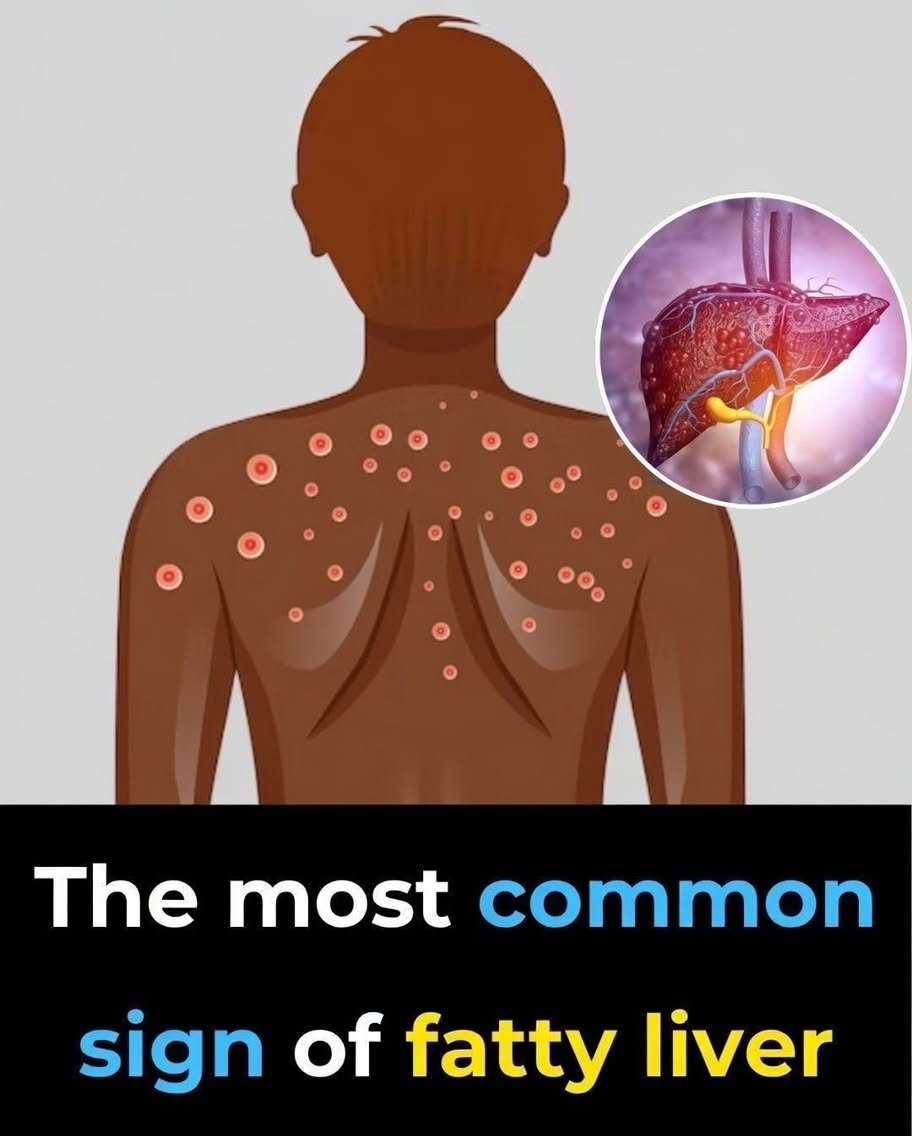
    Fatty liver disease occurs when excess fat accumulates in the liver. The condition is now commonly discussed under the broader term metabolic dysfunction-associated steatotic liver disease (MASLD), although alcohol-associated liver disease and other causes can also lead to liver fat accumulation. One of the most important facts is that fatty liver can be a silent condition, meaning many people have few or no noticeable symptoms. When symptoms do occur, they may include persistent tiredness or discomfort in the upper-right portion of the abdomen. (niddk.nih.gov) The risk is higher among people with overweight or obesity, insulin resistance or type 2 diabetes, high triglycerides or abnormal cholesterol levels, high blood pressure, or metabolic syndrome. In some people, fat accumulation can progress to inflammation and liver scarring, potentially leading to cirrhosis and other serious complications. (niddk.nih.gov)

    Supporting liver health starts with long-term lifestyle habits rather than quick detox products or miracle remedies. If someone with fatty liver is overweight, gradual weight loss can reduce liver fat and may improve inflammation and fibrosis. NIDDK reports that losing at least 3%–5% of body weight can reduce liver fat, while greater weight loss may provide additional benefits for inflammation and scarring. (niddk.nih.gov) A nutritious eating pattern can emphasize vegetables, fruits, whole grains, legumes, nuts, and unsaturated fats while limiting foods and drinks high in added sugars, particularly sugar-sweetened beverages and excessive fructose. Regular physical activity is also beneficial, even when significant weight loss does not occur. (niddk.nih.gov) Avoiding or minimizing alcohol is particularly important when liver disease is present because alcohol can contribute additional liver injury. Dietary supplements marketed as “liver cleanses” should not be assumed to be safe; some herbal products can actually damage the liver. (niddk.nih.gov)

    Because fatty liver often produces few symptoms, medical evaluation is more reliable than trying to diagnose it based on how you feel. Doctors may use medical history, physical examination, blood tests, and imaging studies to assess liver health and determine whether additional testing is needed. (niddk.nih.gov) If you have persistent fatigue, unexplained upper-right abdominal discomfort, abnormal liver tests, diabetes, obesity, or other metabolic risk factors, discussing liver health with a qualified healthcare professional can be worthwhile. The goal is not to fear every symptom, but to identify problems early and address the factors that can be changed. Disclaimer: This article is for general educational and informational purposes only and does not constitute medical, nutritional, or treatment advice. Fatty liver has multiple causes and can affect individuals differently. The information presented here should not be used for self-diagnosis or as a substitute for professional care. Always verify health information through reliable scientific and medical sources and consult a qualified healthcare professional for personalized guidance.

  • Tiny Vegetable, Massive Health Benefits — Why Broccoli Sprouts Are Studied for Cancer Prevention

    Tiny Vegetable, Massive Health Benefits — Why Broccoli Sprouts Are Studied for Cancer Prevention

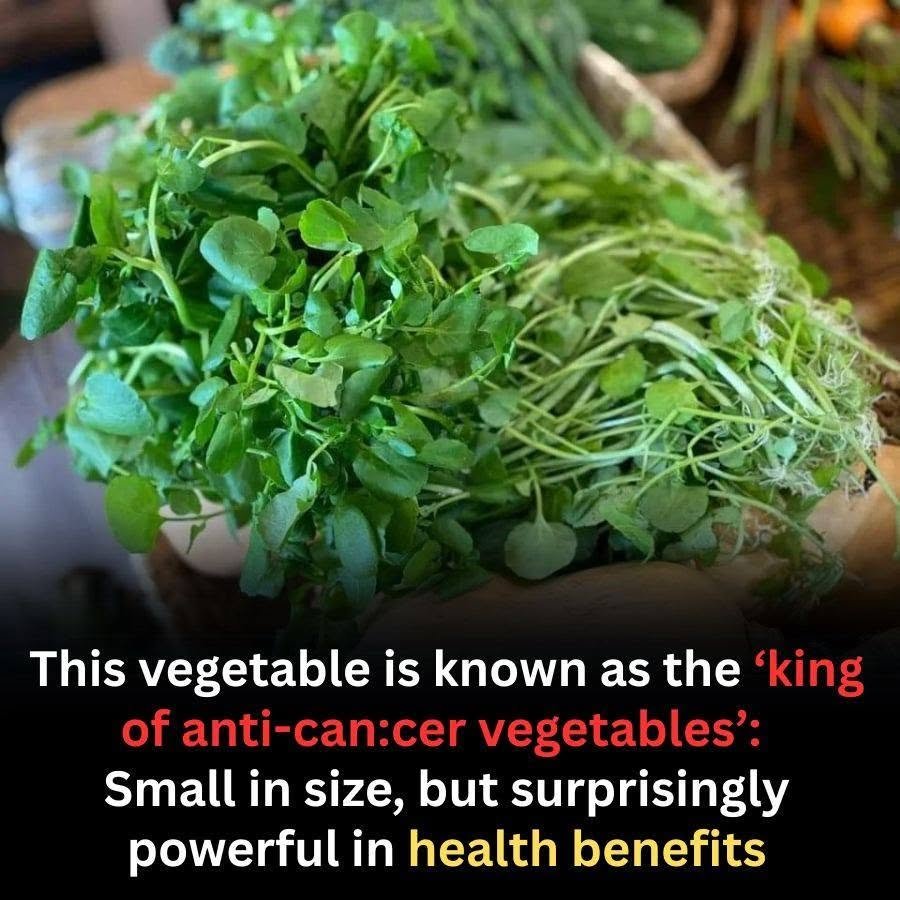
    Broccoli sprouts may be tiny, but they contain a naturally occurring compound that has attracted significant scientific attention: sulforaphane. This compound is produced when glucoraphanin in broccoli sprouts is converted during chewing and digestion. The National Cancer Institute notes that sulforaphane and related compounds from cruciferous vegetables have demonstrated potentially protective effects in laboratory and animal research, including pathways involved in protecting cells from DNA damage, reducing inflammation, and processing certain carcinogens. Broccoli sprouts are particularly interesting because they can contain substantially higher concentrations of glucoraphanin than mature broccoli. Research has therefore explored whether incorporating these vegetables into a balanced diet might contribute to long-term health. However, calling broccoli sprouts the definitive “king of anti-cancer foods” goes beyond what current evidence can prove.

    Human research is promising but considerably more complicated than viral headlines suggest. Scientists have conducted studies examining broccoli-sprout preparations, sulforaphane, and markers related to cancer prevention. For example, a randomized clinical trial involving 291 participants found that a broccoli-sprout beverage increased urinary elimination of certain airborne pollutants, suggesting that sulforaphane-related compounds can influence detoxification pathways in humans. Other clinical studies have investigated sulforaphane in people with cancer, but results have not established it as a cancer treatment. A trial involving men with recurrent prostate cancer found that the primary endpoint was not achieved, while a small pancreatic-cancer pilot study did not produce statistically significant results and had substantial participant dropout. A systematic review of randomized trials concluded that sulforaphane remains promising but that differences between studies and limited evidence mean stronger clinical research is still needed.

    The practical takeaway is that broccoli sprouts can be a nutritious addition to a varied diet, but they should never replace cancer screening, medical treatment, or proven prevention strategies. Cruciferous vegetables such as broccoli, cabbage, cauliflower, kale, and Brussels sprouts provide fiber, vitamins, minerals, and beneficial plant compounds, making variety an important part of a healthy eating pattern. If you enjoy broccoli sprouts, you can include them alongside other vegetables, fruits, whole grains, legumes, nuts, and appropriate protein sources. There is currently no single vegetable that guarantees protection against cancer, and claims that a food can “kill cancer” should be treated cautiously. Disclaimer: This article is for general educational and informational purposes only and does not constitute medical, nutritional, or cancer-treatment advice. Research on broccoli sprouts and sulforaphane is promising but remains under investigation, and laboratory findings should not be interpreted as proof that the food prevents or cures cancer. Always verify health claims through reliable scientific and medical sources and consult a qualified healthcare professional for personalized guidance.

  • Every Morning When You Wake Up, Pay Attention to Your Health

    Every Morning When You Wake Up, Pay Attention to Your Health

    The first few moments after waking can be a useful opportunity to notice how your body feels and whether anything has changed from your normal pattern. Your morning energy, breathing, hydration, digestion, and general comfort can provide clues about how well you slept and how your body is responding to your daily routine. Feeling refreshed after adequate sleep is generally encouraging, while persistent exhaustion despite getting enough time in bed may deserve attention. The CDC recommends that most adults get at least seven hours of sleep each night, and maintaining a consistent sleep schedule can support overall health. (cdc.gov) You can also notice whether you wake with unusual headaches, dry mouth, excessive thirst, congestion, or muscle stiffness. A single symptom does not necessarily indicate a disease, but repeated changes are worth discussing with a healthcare professional.

    Morning is also a practical time to pay attention to blood pressure, hydration, and other measurable health indicators when appropriate. Some people experience lightheadedness when they stand up quickly, particularly after sleeping for several hours, but frequent dizziness or fainting should not be ignored. (nhlbi.nih.gov) If you monitor blood pressure at home, taking readings consistently and under similar conditions can make the results more useful. The American Heart Association recommends resting quietly before measuring and using a properly fitting upper-arm cuff. (heart.org) Your morning routine can also include drinking fluids according to your needs, eating a nutritious breakfast if you prefer one, and getting some natural daylight and movement. These simple habits can support a healthy daily rhythm without turning every morning sensation into a reason for alarm.

    Most importantly, look for persistent patterns rather than trying to diagnose yourself from one morning. Repeated shortness of breath, chest discomfort, fainting, severe headaches, unusual weakness, unexplained weight changes, or other significant symptoms should be evaluated by a qualified healthcare professional. If severe chest pain, difficulty breathing, sudden confusion, or other emergency symptoms occur, seek urgent medical attention rather than waiting for them to disappear. Morning health checks should be about awareness, not anxiety. By paying attention to your sleep, energy, symptoms, and healthy habits, you may notice meaningful changes earlier and have more useful information to discuss with your doctor. Disclaimer: This article is for general educational and informational purposes only and does not constitute medical advice, diagnosis, or treatment. Morning symptoms can have many possible causes and cannot independently determine your overall health. Always verify health information through reliable scientific and medical sources and consult a qualified healthcare professional about persistent, severe, or unexplained symptoms.

  • How to Check if Honey Is Real or Fake

    How to Check if Honey Is Real or Fake

    With honey products ranging from raw and minimally processed honey to blended and flavored products, it can be difficult to judge authenticity simply by looking at a jar. Many viral “home tests” claim you can identify pure honey using water, a match, a thumb test, or whether honey crystallizes, but these methods are not reliable ways to prove authenticity. The National Honey Board explains that crystallization is a natural process and does not indicate that honey is fake; almost all natural honey can eventually crystallize depending on its floral source and storage conditions. (honey.com) Likewise, color, thickness, aroma, and taste can vary naturally between different types of honey. Genuine honey can range from very light to dark and can have different textures and flavors depending on the flowers from which bees collected nectar.

    One of the most important things to understand is that a home test cannot reliably determine whether honey has been adulterated with inexpensive sweeteners. The water test, for example, may show how quickly a particular honey dissolves, but that depends on moisture content, temperature, viscosity, and other characteristics—not simply whether it is authentic. The same applies to the flame or match test: honey’s moisture content can influence whether it burns, but this is not a scientifically dependable authentication method. Professional laboratories can use analytical techniques such as isotope-ratio analysis and other chemical testing to investigate whether honey contains added sugars or syrups. (fao.org) Therefore, an internet video demonstrating a simple kitchen experiment should not be treated as definitive evidence that a particular jar is genuine or fake.

    For consumers, the safest approach is to buy honey from reputable producers, inspect the label carefully, and look for clear information about the product’s origin and ingredients. A product labeled simply as honey should not contain undisclosed added sweeteners, while products marketed as blends may have different compositions depending on local labeling regulations. If you suspect serious adulteration, laboratory testing is much more dependable than attempting several viral kitchen tricks. Also remember that crystallized honey has not necessarily spoiled—it can often be returned to a liquid state by gently warming the container in warm water. (honey.com) Disclaimer: This article is for general educational and food-information purposes only and does not guarantee the authenticity of any particular honey product. Home tests such as water, flame, or thumb tests cannot reliably prove whether honey is pure or adulterated. Always verify product authenticity through reputable suppliers, accurate labeling, and, when necessary, appropriate laboratory analysis.

  • Start Your Day With Boiled Eggs? Your Body May Thank You in These 5 Ways

    Start Your Day With Boiled Eggs? Your Body May Thank You in These 5 Ways

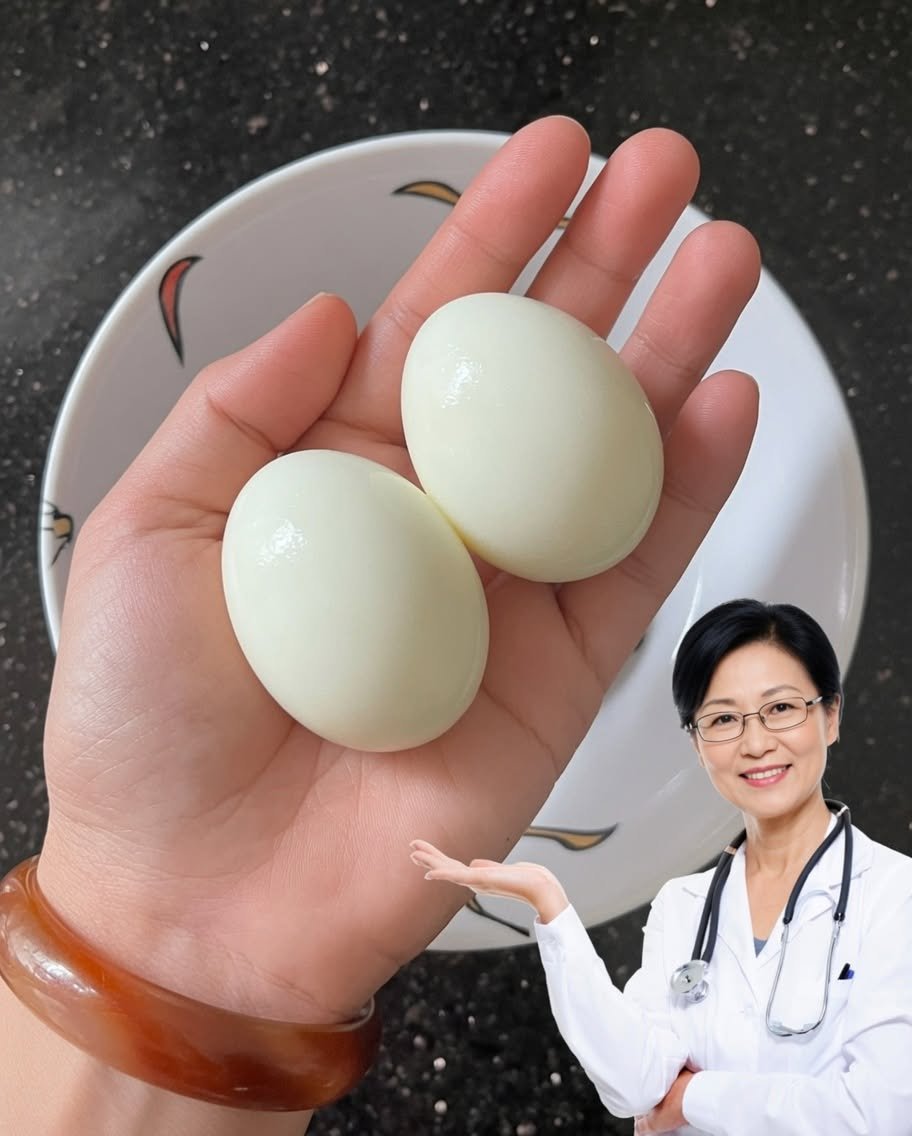
    Starting the morning with a boiled egg can be a simple way to add high-quality protein and important micronutrients to your breakfast. One large egg provides roughly 6 grams of protein and contains nutrients including choline, vitamin B12, selenium, riboflavin, and vitamin D. (usda.gov) The first potential benefit is improved satiety: protein-rich foods can help you feel full for longer, which may make it easier to manage overall food intake. Second, eggs provide choline, a nutrient involved in normal brain function, cell structure, and neurotransmitter production. (ods.od.nih.gov) Third, their protein supports the maintenance of muscles and other body tissues. These benefits make boiled eggs a convenient breakfast option, particularly when paired with vegetables, whole grains, or fruit rather than eaten as part of a highly processed meal.

    A fourth potential benefit is that eggs can contribute to nutrient intake while remaining relatively low in carbohydrates. This can be useful for people trying to build a balanced breakfast around protein and nutrient-rich foods. The fifth is convenience: boiled eggs can be prepared in advance and combined with other foods for a quick meal, making it easier to maintain a consistent eating routine. However, eggs should not be presented as a miracle food. Their nutritional value is best understood as part of an overall dietary pattern. For cardiovascular health, the American Heart Association emphasizes the importance of the entire diet, particularly the balance between unsaturated and saturated fats, rather than focusing on a single food. (heart.org) How eggs affect blood cholesterol can also vary between individuals, so people with elevated LDL cholesterol or specific cardiovascular conditions may benefit from personalized dietary advice.

    For a more balanced breakfast, pair a boiled egg with vegetables, fruit, whole grains, beans, or other minimally processed foods. Boiling is also a straightforward preparation method because it does not require added butter or cooking oil. Food safety matters too: eggs should be cooked until both the whites and yolks are firm, and cooked eggs should be refrigerated promptly rather than left at room temperature for extended periods. (fda.gov) If you have an egg allergy, certain medical conditions, or specific dietary restrictions, your ideal intake may be different. Disclaimer: This article is for general educational and nutritional information only and does not constitute medical advice, diagnosis, or treatment. Eggs can provide valuable nutrients, but eating them does not guarantee better health or prevent disease. Always verify nutrition claims through reliable scientific and medical sources and consult a qualified healthcare professional for personalized dietary guidance.

  • A Mother’s Final Request to Her Son

    A Mother’s Final Request to Her Son

    A son placed his elderly mother in a nursing home, promising himself that he would visit her whenever he could. Although he did come from time to time, the visits became less frequent as life, work, and responsibilities took over. One day, the nursing home called and told him that his mother was not feeling well. He immediately went to see her. When he entered the room, he found his mother weak and resting quietly. Seeing her condition filled him with regret, and with tears in his eyes, he held her hand and asked, “Mother, is there anything I can do for you?” He expected her to ask for medicine, better food, or perhaps something to make her more comfortable. Instead, her answer was something he never expected.

    The mother looked at her son and gently said, “Yes, my son. Please check the comments.” The son was confused. He looked at her, wondering what she meant. Then he realized that the message was not really about medicine or material things. It was about all the moments he had missed—the conversations they could have shared, the meals they could have eaten together, and the simple afternoons when she only wanted her son nearby. Sometimes elderly parents do not need expensive gifts or grand gestures. They need time, attention, affection, and the reassurance that they have not been forgotten. The mother’s words became a powerful reminder that love is often expressed through the smallest things: sitting beside someone, listening to their stories, holding their hand, or simply saying, “I’m here with you.”

    The story carries a simple but emotional lesson: do not wait until someone is seriously ill to show them how much they mean to you. Parents grow older quietly, and the day may come when the opportunities to spend time with them are gone. If your parents are still with you, call them, visit them, ask how they are feeling, and give them your undivided attention. Money can buy comfort, but it cannot buy back time. The most meaningful gift you can give someone you love is often your presence. Sometimes, the person who raised you does not need anything from you except a few minutes of your day and the knowledge that they still matter. Disclaimer: This is a sentimental story intended for reflection and may be a fictional or adapted social-media narrative rather than a verified real-life event. Always verify emotionally charged stories before treating them as factual.

  • Can Putting Something in a Lemon Really Make Mosquitoes Leave Your Home?

    Can Putting Something in a Lemon Really Make Mosquitoes Leave Your Home?

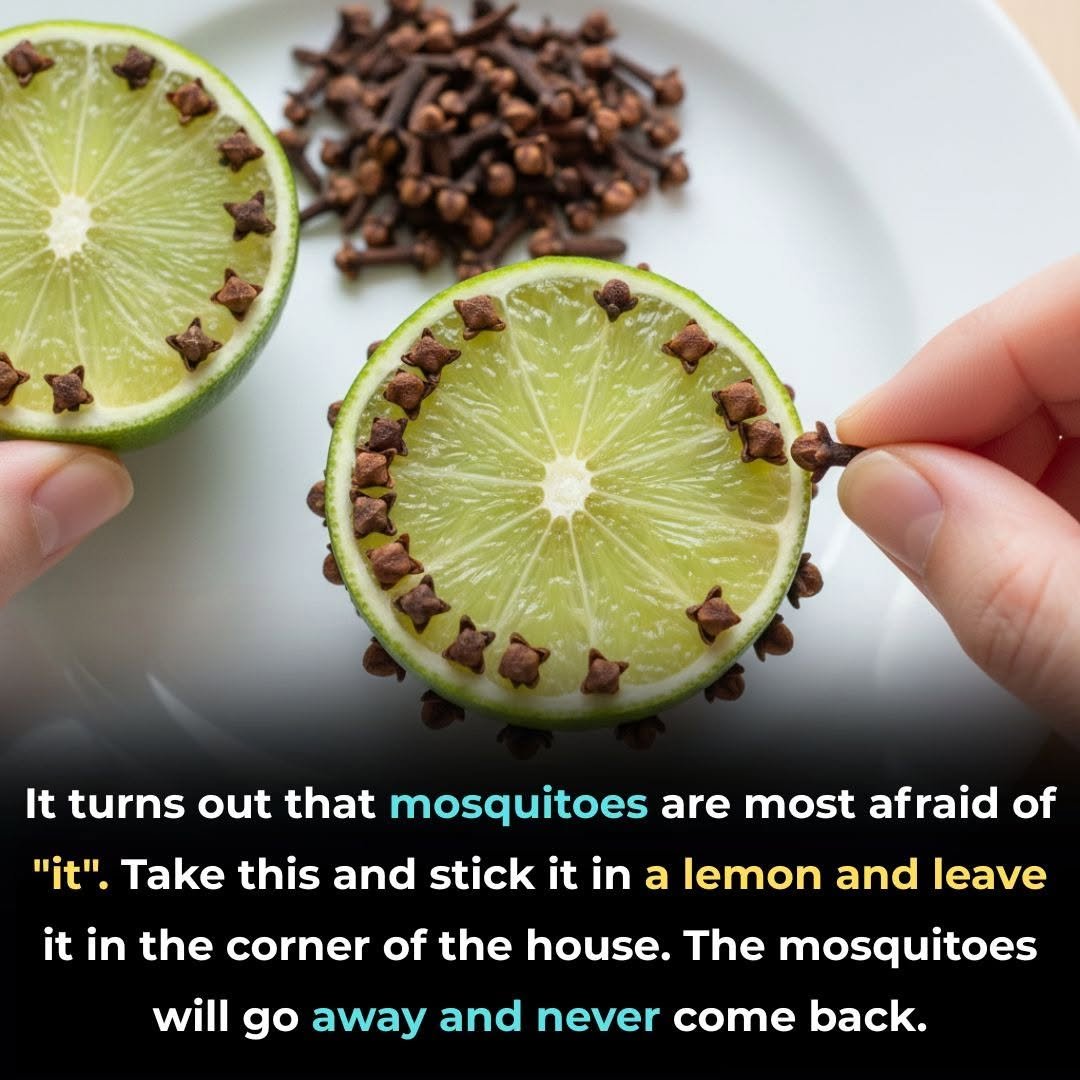
    A popular home remedy claims that mosquitoes are extremely afraid of a particular ingredient placed inside a lemon and left in a corner of the house. These viral recipes often involve cloves, herbs, or essential oils because certain plant aromas may have some mosquito-repellent properties. However, the claim that a lemon-and-clove arrangement will make mosquitoes permanently leave a house is not supported by strong evidence. The CDC specifically notes that the effectiveness of many non-registered natural mosquito repellents is uncertain and recommends proven, EPA-registered repellents when protection from mosquito bites is important. A lemon sitting in a room may smell unpleasant to some insects, but that does not mean it eliminates mosquitoes or prevents them from returning.

    If you want to reduce mosquitoes inside your home, removing their breeding opportunities is much more important than relying on a scented fruit. Mosquitoes can reproduce in surprisingly small amounts of standing water, including water in plant saucers, buckets, containers, discarded items, and other household objects. The CDC recommends emptying and scrubbing water-holding containers at least once a week, keeping water-storage containers tightly covered, repairing window and door screens, and using air conditioning when available. If mosquitoes remain indoors despite these measures, an appropriate indoor insecticide may help when used exactly according to its label. For personal protection, products containing ingredients such as DEET, picaridin, IR3535, or oil of lemon eucalyptus/PMD have been evaluated for effectiveness and safety when used as directed.

    That doesn’t mean you cannot try a lemon-and-clove arrangement as a simple household fragrance, but it should not replace reliable mosquito-control measures—especially in areas where mosquitoes can transmit diseases such as dengue, malaria, chikungunya, or other infections. Claims that mosquitoes will “leave and never come back” are particularly misleading because mosquitoes can continue entering from outdoors or breeding around the home. EPA explains that registered spatial repellents, including certain candles, coils, and diffusers, have specific instructions and coverage limitations, so products should always be used according to their labels. Disclaimer: This article is for general educational and informational purposes only and does not guarantee that lemon, cloves, or any homemade remedy will repel or eliminate mosquitoes. Natural remedies may have limited or uncertain effectiveness. Always verify mosquito-control claims through reliable scientific and public-health sources and use proven protective measures when mosquito-borne disease is a concern.

  • What Used to Be Pig Feed Suddenly Turned Into “Green Gold,” Priced at 1 Million/kg but Still “Sold Out”

    What Used to Be Pig Feed Suddenly Turned Into “Green Gold,” Priced at 1 Million/kg but Still “Sold Out”

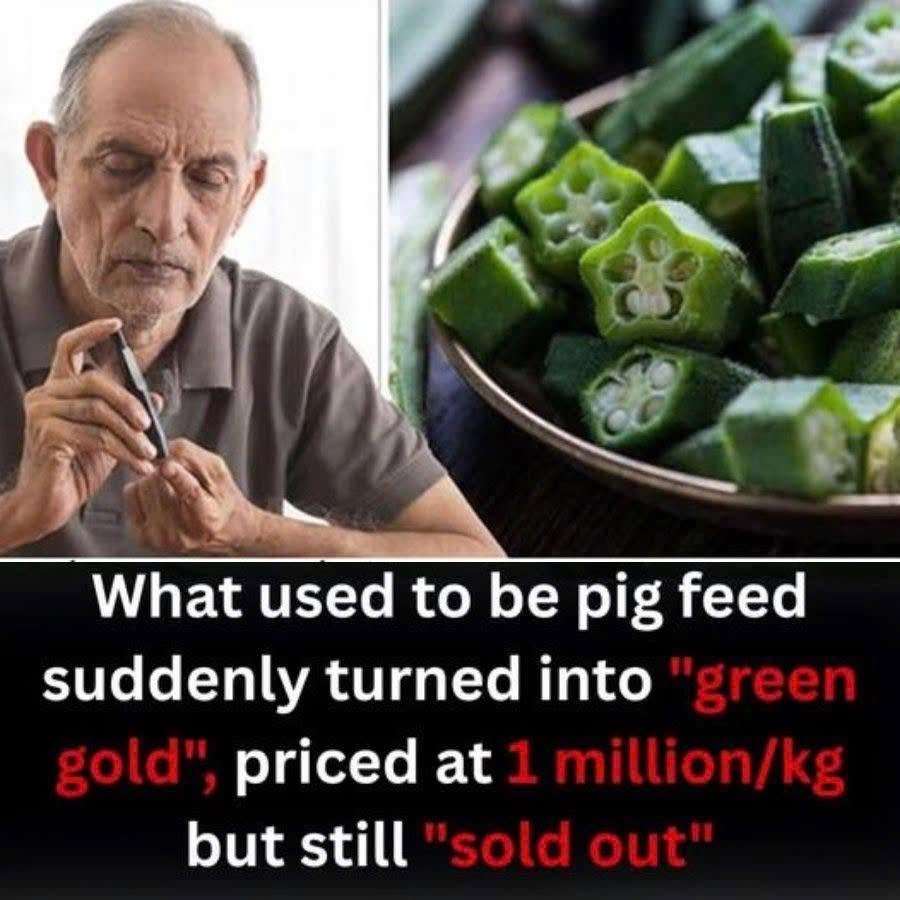
    A plant once considered little more than livestock feed has reportedly gained a surprising reputation as “green gold,” with online claims describing prices reaching around 1 million per kilogram and demand supposedly exceeding supply. The headline appears to refer to a specific viral story circulating online, but the available search results do not provide enough reliable evidence to confirm the exact product, the stated price, or the claim that it was universally “sold out.” This is an important distinction because agricultural products can experience dramatic price differences depending on variety, location, processing, season, quality, and whether the quoted figure refers to fresh produce, dried material, seeds, extracts, or another specialized form. A striking price in a social-media post should therefore be treated as a claim rather than established market data.

    The transformation from an overlooked crop to a high-value agricultural commodity is not impossible. Foods and plants can become commercially valuable when researchers identify desirable nutrients, functional ingredients, cosmetic applications, medicinal research potential, or opportunities for premium food products. Demand can also rise when a crop becomes fashionable or is promoted as a specialty ingredient. However, high market value does not automatically mean extraordinary health benefits. A plant being described as “superfood,” “green gold,” or a traditional remedy does not prove that it can prevent disease or replace established medical treatment. Similarly, the fact that something was historically used as animal feed does not necessarily mean it is unsafe for humans, but it also does not establish that every variety or preparation is suitable for human consumption.

    Before believing a claim about an unusually expensive vegetable or plant, consumers should check the exact species, scientific name, geographic market, grade, form, and verified wholesale or retail price. These details can completely change the meaning of a headline. If the product is being promoted as a health supplement or medicinal ingredient, buyers should also look for credible evidence from scientific publications and recognized food-safety authorities rather than relying solely on viral posts. The available search results confirm that this headline has circulated online, but they do not independently substantiate all of its dramatic claims. Disclaimer: This article is for general informational purposes only. The “1 million/kg,” “green gold,” and “sold out” claims should not be treated as verified market facts without reliable, location-specific evidence. Always verify agricultural prices, product identity, food safety, and health claims through trustworthy sources before purchasing or consuming an unfamiliar plant.

  • What Used to Be Pig Feed Suddenly Turned Into “Green Gold,” Priced at 1 Million/kg but Still “Sold Out”

    What Used to Be Pig Feed Suddenly Turned Into “Green Gold,” Priced at 1 Million/kg but Still “Sold Out”

    A plant once considered little more than livestock feed has reportedly gained a surprising reputation as “green gold,” with online claims describing prices reaching around 1 million per kilogram and demand supposedly exceeding supply. The headline appears to refer to a specific viral story circulating online, but the available search results do not provide enough reliable evidence to confirm the exact product, the stated price, or the claim that it was universally “sold out.” This is an important distinction because agricultural products can experience dramatic price differences depending on variety, location, processing, season, quality, and whether the quoted figure refers to fresh produce, dried material, seeds, extracts, or another specialized form. A striking price in a social-media post should therefore be treated as a claim rather than established market data.

    The transformation from an overlooked crop to a high-value agricultural commodity is not impossible. Foods and plants can become commercially valuable when researchers identify desirable nutrients, functional ingredients, cosmetic applications, medicinal research potential, or opportunities for premium food products. Demand can also rise when a crop becomes fashionable or is promoted as a specialty ingredient. However, high market value does not automatically mean extraordinary health benefits. A plant being described as “superfood,” “green gold,” or a traditional remedy does not prove that it can prevent disease or replace established medical treatment. Similarly, the fact that something was historically used as animal feed does not necessarily mean it is unsafe for humans, but it also does not establish that every variety or preparation is suitable for human consumption.

    Before believing a claim about an unusually expensive vegetable or plant, consumers should check the exact species, scientific name, geographic market, grade, form, and verified wholesale or retail price. These details can completely change the meaning of a headline. If the product is being promoted as a health supplement or medicinal ingredient, buyers should also look for credible evidence from scientific publications and recognized food-safety authorities rather than relying solely on viral posts. The available search results confirm that this headline has circulated online, but they do not independently substantiate all of its dramatic claims. Disclaimer: This article is for general informational purposes only. The “1 million/kg,” “green gold,” and “sold out” claims should not be treated as verified market facts without reliable, location-specific evidence. Always verify agricultural prices, product identity, food safety, and health claims through trustworthy sources before purchasing or consuming an unfamiliar plant.