Category: Uncategorized

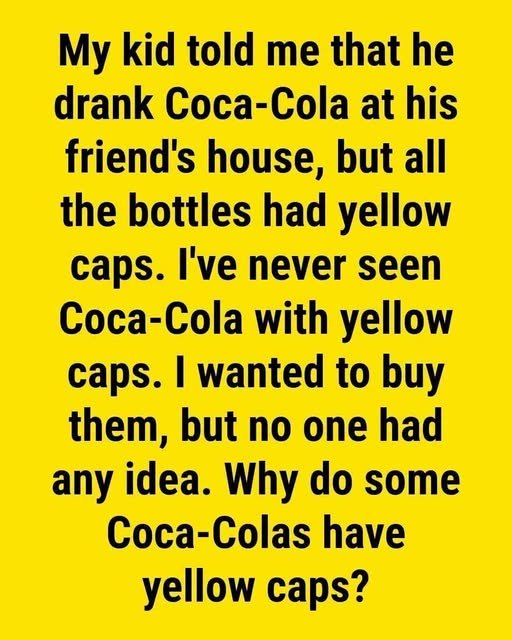
  • Yellow caps on Coca-Cola bottles indicate that the beverage is Kosher for Passover.

    Yellow caps on Coca-Cola bottles indicate that the beverage is Kosher for Passover.

    Why the Yellow Cap Exists

    • Formula Swap: Standard Coca-Cola in the United States is sweetened with high-fructose corn syrup. During the Jewish holiday of Passover, many observant Jews abstain from consuming corn derivatives (known as kitniyot).
    • Real Sugar Recipe: To accommodate the holiday, Coca-Cola temporarily switches to its original recipe sweetened with real cane sugar (sucrose) instead of corn syrup.
    • Visual Marker: The bright yellow cap differentiates this special batch from standard Coke. The cap typically features a small “OU-P” symbol or Hebrew lettering certifying its Kosher for Passover status.

    Availability & Popularity

    • Limited Release: These bottles are produced seasonally, usually appearing in stores during the spring weeks leading up to Passover.
    • Fan Favorite: Soda fans who prefer the taste of cane sugar—similar to “Mexican Coke”—frequently hunt for yellow-cap 2-liter bottles in ordinary supermarkets during spring.

  • ebunking Viral Myths: The Meghan & Harry “Disgusting Photo” Outrage

    ebunking Viral Myths: The Meghan & Harry “Disgusting Photo” Outrage

    Social media graphics alleging that a photo shared by Meghan Markle of her daughter, Princess Lilibet, sparked widespread outrage and claims of being “disgusting” leverage classic clickbait sensationalism to monetize royal controversy.

    The Reality Behind the Image

    • The Photo’s Context: The inset image shows Princess Lilibet sitting on the floor of a walk-in closet in a red dress, looking toward a shoe rack. It was shared as a candid glimpse of family life on social media.
    • The Root of the Controversy: Online criticism arose around the timing and optics of the photo rather than its explicit content:
      • Timing: The photo was posted online shortly before Meghan delivered a speech in Geneva at a World Health Organization (WHO) event addressing the dangers of social media and online harms to children.
      • Criticism: Commentators and royal critics labeled the post “tone-deaf” and “hypocritical,” arguing that sharing photos of her child online conflicted with her advocacy for online safety and child privacy. Others focused on the lavish walk-in closet background.
    • Clickbait Exaggeration: Headlines using extreme terms like “This is disgusting” or “People are horrified” blow online commentary out of proportion to maximize click-through rates and algorithmic engagement on social media.
  • Debunking Viral Myths: The Ellen DeGeneres Clickbait Graphic

    Debunking Viral Myths: The Ellen DeGeneres Clickbait Graphic

    Social media graphics claiming comedian and television host Ellen DeGeneres issued a “sad health update after a devastating diagnosis” exaggerate her actual public statements to drive sensationalized clickbait traffic.

    The Truth Behind the Headline

    • Origin of the Image: The thumbnail featured in the graphic is a frame from a routine video posted by DeGeneres, but it is routinely re-edited by sensationalist pages to imply a terminal or life-threatening emergency.
    • Actual Diagnoses Shared: In her comedy special For Your Approval, DeGeneres candidly discussed getting older and shared three real health conditions she manages:
      • Osteoporosis & Arthritis: She noted that a bone density test revealed she has osteoporosis and joint pain from age-related arthritis.
      • OCD & ADHD: She shared that while in therapy, she was diagnosed with obsessive-compulsive disorder and attention deficit hyperactivity disorder, humorously riffing on how both affect her daily focus.
    • Clickbait Framing: Content creators frame these common medical updates using tragic language like “devastating diagnosis” or dramatic tearful screenshots to lure concerned fans into clicking monetized links or engaging in comment sections.
  • Debunking Viral Myths: The AI-Generated “Evil Baby” Clickbait

    Debunking Viral Myths: The AI-Generated “Evil Baby” Clickbait

    The image in this graphic does not depict a real historic figure as an infant. It is a modern, artificially generated (AI) or heavily processed stock image designed specifically to fuel engagement-farming clickbait.

    The Reality Behind the Graphic

    • Digital Synthetic Image: The child’s features, lighting, ribbed clothing texture, and unnaturally smooth skin are characteristic of AI photo generation. It is not an authentic historical photograph of any infamous figure from history.
    • The “Baby Hitler” Clickbait Formula: Clickbait publishers frequently leverage sensationalist claims—such as “This baby grew up to be one of the most evil men” or “You won’t believe who this child became”—to lure users into clicking links, reading ads, or commenting on social media posts.
    • Historical Precedent: The concept of using fake baby photos for sensationalism actually dates back decades. In the 1930s, an edited photo of an American toddler named John May Warren was falsely circulated globally as “Baby Hitler” as anti-Nazi satire, forcing the German consulate at the time to issue retractions with authentic infant photos. Modern social media pages replicate this exact dynamic using AI tools.
  • Debunking Viral Myths: The Wayne Rogers Death Hoax

    Debunking Viral Myths: The Wayne Rogers Death Hoax

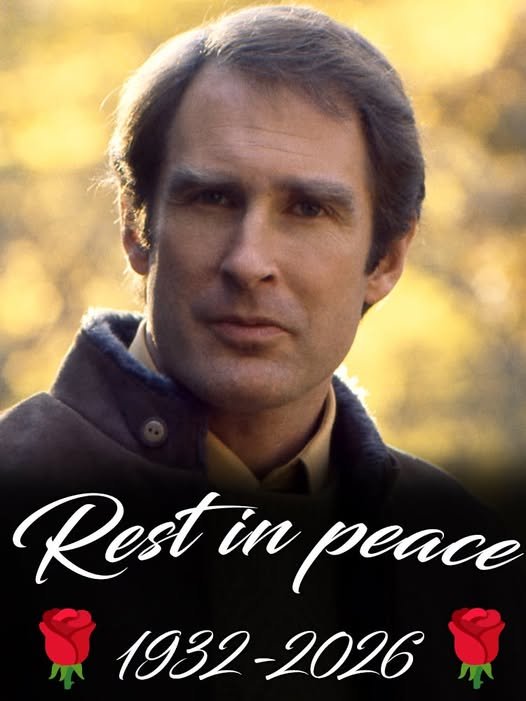
    Social media graphics declaring the death of actor Wayne Rogers with dates like “1932–2026” or claiming he “died at 94” are part of a recycled celebrity death hoax.

    The Reality Behind the Image

    • Who Is Pictured: The image depicts actor Wayne Rogers, best remembered for his iconic role as Captain “Trapper John” McIntyre in the hit television series MASH*.
    • Actual Timeline: Wayne Rogers passed away over a decade ago on December 31, 2015, at the age of 82 from complications of pneumonia. He was born in 1933, not 1932.
    • Clickbait Strategy: Nostalgia-focused engagement pages routinely pull publicity stills of late stars from 1970s television classics, attach mismatched birth years or current dates, and present them as recent breaking news to exploit emotional responses and drive shares.

    Recognizing Recycled Tributes

    When viral posts attach current dates to long-deceased cultural icons, they rely on audience member nostalgia and unverified sharing. Fact-checking obituaries against established trade news or historic archives quickly clarifies these engagement tactics.

  • Debunking Viral Myths: The Fabricated Clickbait Story

    Debunking Viral Myths: The Fabricated Clickbait Story

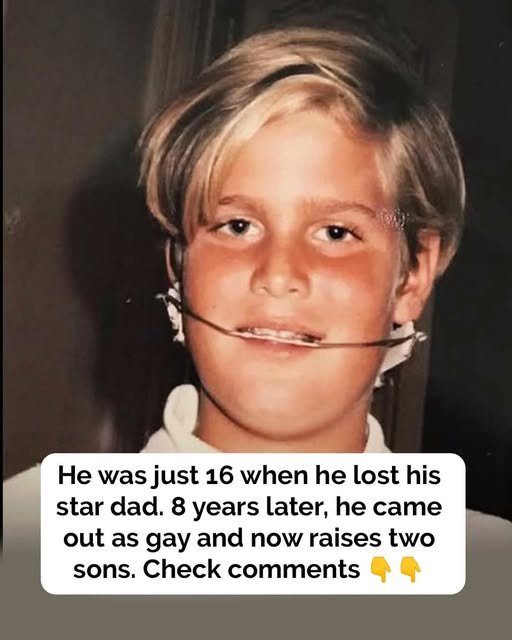
    The circulating graphic—featuring a throwback photo of a young boy wearing orthodontic headgear alongside text claiming he “lost his star dad” at 16, “came out as gay” 8 years later, and “now raises two sons”—is a classic example of engagement-farming clickbait.

    The Reality Behind the Graphic

    • Fabricated Backstory: The narrative presented in the overlay is entirely made up. Viral “clickbait” pages regularly pair compelling personal storylines with random childhood images to drive readers to click links, write comments, or boost algorithmic engagement.
    • Misleading Captions: Prompts like “Check comments 👇👇” are designed to lure users into the comment section to view spam links, external ad-heavy blogs, or monetized sites that do not contain a real or verifiable news story.
    • Stock or Unverified Imagery: The photo depicts a standard personal or stock-style portrait of a child undergoing orthodontic treatment (wearing an extraoral headgear appliance with braces), rather than a verified celebrity offspring with a documented public story.
  • Debunking Viral Myths: The Tom Donnelly / MAS*H Actor Hoax

    Debunking Viral Myths: The Tom Donnelly / MAS*H Actor Hoax

    Social media graphics announcing the passing of actor Tom Donnelly (or falsely misidentifying him as other beloved television stars) with dates like “1941–2026” are part of a recycled celebrity death hoax.

    The Reality Behind the Graphic

    • Who Is Pictured: The image depicts actor Tom Donnelly in his role as Captain William “Bill” Pratt in the iconic 1970s television series MASH* (featured in the Season 8 episode “Private Finance”).
    • Fabricated News: Engagement-farming pages routinely take stills of recognizable character actors from classic television shows—such as MASH*, The Dukes of Hazzard, or Little House on the Prairie—and slap cursive “Rest in Peace” graphics over them to harvest likes, shares, and sympathetic comments.
    • Lack of Verification: No major trade publications, family representatives, or official news outlets have corroborated these claims.

    Anatomically Standard Clickbait Pattern

    These posts exploit nostalgia for classic television by target-marketing older audiences who hold fond memories of 1970s and 1980s television programming. By pairing generic RIP text with archival character photos, pages trigger high algorithmic engagement without needing to report factual news.

  • The Purpose Behind the Upside-Down Glass Hack

    The Purpose Behind the Upside-Down Glass Hack

    This setup—covering a dry sink drain with paper and placing an upside-down glass on top—is a viral pre-vacation home maintenance hack designed to solve two main issues when a home sits empty:

    • Blocks Sewer Odors & Evaporation: Sink drains rely on a U-shaped pipe (P-trap) that holds water to block sewer gas. When a sink goes unused for weeks—especially in warm weather—that water can evaporate, allowing foul smells to leak up. The paper and weighted glass act as a makeshift seal to keep odors trapped and slow down evaporation.
    • Prevents Drain Insects: Stagnant, dark plumbing lines attract pests like fruit flies, drain flies, and cockroaches looking for moisture. Covering the opening physical blocks them from crawling up into your kitchen or bathroom while you are away.
    • Acts as a “Leak / Clog” Indicator: Some variations of this trick use absorbent paper towel underneath. If you return and the paper is wet, it indicates water backed up or seeped up from the pipe—signaling a hidden drainage blockage before it turns into a major overflow.
  • Debunking Viral Myths: The Fabricated World Cup Podium Photo

    Debunking Viral Myths: The Fabricated World Cup Podium Photo

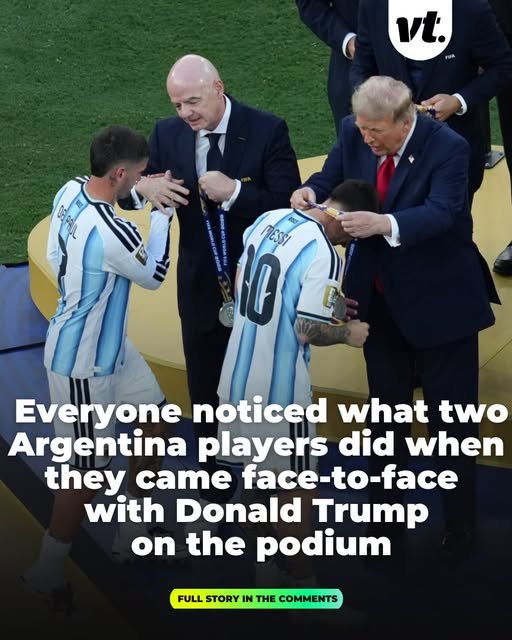
    The image circulating with claims that Argentina players (specifically Lionel Messi and Rodrigo De Paul) interacted with Donald Trump on the World Cup podium is a digitally edited composite image.

    The Reality Behind the Image

    • Digital Manipulation: Donald Trump was digitally edited into real photos taken during the 2022 FIFA World Cup medal ceremony in Lusail, Qatar.
    • The Original Ceremony: In the actual 2022 ceremony, the figures presenting the medals alongside FIFA President Gianni Infantino were the Sheikh Tamim bin Hamad Al Thani (Emir of Qatar) and French President Emmanuel Macron—not Donald Trump.
    • Why These Edits Go Viral: Social media meme pages and engagement-farming accounts frequently paste prominent political figures into iconic sports moments to spark political debates, commentary, and viral clicks.
  • Debunking Viral Myths: Prominent Hand Veins vs. Sensational Health Claims

    Debunking Viral Myths: Prominent Hand Veins vs. Sensational Health Claims

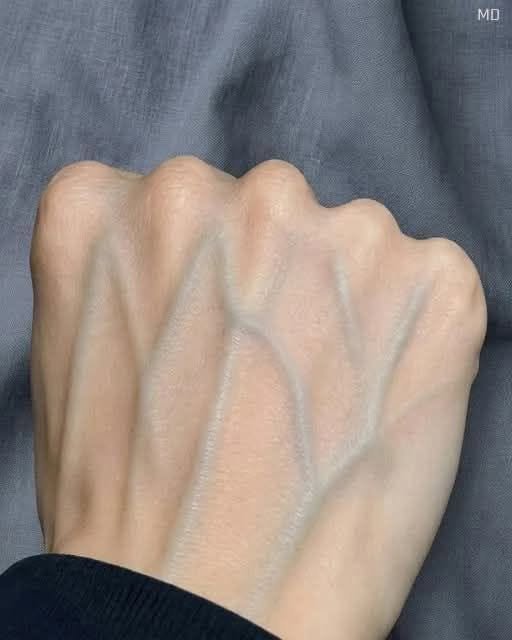
    Incomplete titles like “If your veins are visible in your hand, it is a signal of ca…” (implying “cancer” or a serious systemic failure) are quintessential social media health clickbait. Prominent, clearly visible superficial veins on the back of the hand are extremely common, completely normal, and virtually never an indicator of cancer or severe vascular disease.

    Why Veins Become Visible in the Hands

    • Low Body Fat Percentage: The back of the hand naturally has very little subcutaneous fat. In fit individuals or those with lower body fat, veins sit closer to the skin surface and bulge slightly.
    • Skin Thinning & Aging: As people age, skin naturally loses collagen and elasticity, becoming thinner and making the underlying superficial venous network much more visible.
    • Temperature & Exercise: Warm weather causes blood vessels to dilate (vasodilation) to shed body heat, while physical activity increases blood flow and temporary muscle engorgement, both pushing veins against the skin.
    • Fair Complexion: Fair or translucent skin tones naturally make the bluish hue of deoxygenated blood inside superficial veins far more noticeable under bright light.

    When Medical Evaluation Makes Sense

    While prominent hand veins are benign anatomical features, sudden changes in your circulatory system should always be evaluated by a healthcare professional. Seek medical advice if visible veins are accompanied by hard/painful lumps along the vessel, localized redness, warm swelling, or persistent throbbing pain, which can indicate superficial thrombophlebitis (localized vein inflammation) rather than anything systemic.