Author: Mohsin king

  • Itchy Skin and Unexpected Bumps Could Have Several Possible Causes

    Itchy Skin and Unexpected Bumps Could Have Several Possible Causes

    Itchy skin accompanied by unexpected bumps can be uncomfortable and sometimes alarming, but there are many possible explanations. Common causes include dry or irritated skin, allergies, hives, eczema, insect bites, and certain infections. Hives, for example, can appear as raised, itchy bumps or patches that vary in shape and size and may develop after exposure to foods, medicines, infections, heat, or other triggers. Dry skin and eczema can also produce persistent itching, scaling, redness, or irritation, while contact with cosmetics, detergents, plants, or other substances may trigger a skin reaction. Because several conditions can look remarkably similar, it is difficult to determine the exact cause simply by looking at the bumps. Paying attention to when the itching started, where it appears, whether it spreads, and whether you recently changed soaps, medicines, foods, clothing, or other products can provide useful clues.

    Another possibility is scabies, a contagious skin condition caused by mites. It commonly produces intense itching that can become worse at night, along with small raised spots or a rash. The hands, particularly between the fingers, wrists, waist, and other areas can be affected. However, itching does not automatically mean that someone has scabies or another parasite. Other possibilities include fungal infections, psoriasis, heat rash, insect bites, and allergic reactions. For mild irritation, simple skin-care habits may help, such as using an unperfumed moisturizer, taking cool or lukewarm showers, avoiding strongly fragranced products, and gently patting rather than scratching the affected area. If the itching is severe, widespread, repeatedly returns, affects daily life, or occurs with a new lump or swelling, medical evaluation is advisable rather than relying on online self-diagnosis.

    Certain symptoms require urgent attention. If itchy bumps or a rash suddenly appear together with swelling of the lips, mouth, tongue, or throat, difficulty breathing or swallowing, severe dizziness, confusion, or fainting, these may indicate a serious allergic reaction requiring emergency medical care. For less urgent symptoms, a doctor or dermatologist can examine the skin and determine whether testing or specific treatment is appropriate. Avoid scratching excessively, as broken skin can become infected, and do not apply strong or unfamiliar treatments without appropriate guidance. The most effective approach is to identify the underlying cause rather than simply covering up the symptoms. Disclaimer: This article is intended for general educational and informational purposes only and does not constitute medical diagnosis, treatment, or personalized health advice. Itchy skin and unexpected bumps can have many different causes, and some information may be general or unauthenticated. Always verify important health information through reliable medical sources and consult a qualified healthcare professional about persistent, severe, spreading, or unusual symptoms.


  • Thought It Was Just an Allergy, but Doctors Discovered an Unexpected Truth

    Thought It Was Just an Allergy, but Doctors Discovered an Unexpected Truth

    A runny nose, sneezing, congestion, itchy eyes, coughing, or sinus pressure can easily be blamed on seasonal allergies. However, similar symptoms can sometimes come from a completely different condition. Mayo Clinic explains that allergies and sinus infections are often mistaken for one another, even though they have different causes. Allergic rhinitis occurs when the immune system reacts to allergens such as pollen, dust mites, or pet dander, while sinusitis involves inflammation and swelling of the sinus passages. (mayoclinic.org) Allergies are more likely to cause itching, sneezing, watery eyes, and clear nasal discharge, whereas sinus infections can produce thicker mucus, facial pressure, headaches, and congestion. Because symptoms overlap, someone who repeatedly assumes they have “just allergies” may benefit from a proper medical evaluation when symptoms change, persist, or stop responding to their usual routine.

    There can be other explanations too, including nonallergic rhinitis, respiratory infections, medication-related symptoms, or other conditions affecting the nose and sinuses. Doctors may consider the person’s medical history, symptom pattern, physical examination, and—when appropriate—testing to determine whether a genuine allergy is present. Allergy testing can include skin-prick testing or blood tests that look for immune responses to specific allergens. (mayoclinic.org) This is why a persistent symptom should not automatically be labeled an allergy based solely on appearance or an online checklist. A change in symptoms, repeated episodes without an obvious trigger, significant facial pain, fever, breathing difficulties, or symptoms that interfere with sleep and everyday activities can all be reasons to speak with a qualified healthcare professional. Identifying the actual cause can help ensure that treatment is appropriate rather than simply masking symptoms.

    The most valuable lesson is to look beyond the obvious explanation when symptoms persist. Many allergy symptoms are manageable, and identifying triggers can make a significant difference in quality of life. But if a condition is not actually caused by an allergy, repeatedly treating it as one may delay appropriate evaluation. Most ordinary nasal and sinus symptoms are not dangerous, yet severe breathing difficulty or sudden swelling of the lips, mouth, throat, or tongue can indicate a serious allergic reaction requiring immediate emergency treatment. (nhs.uk) Paying attention to patterns and seeking professional advice when something does not seem typical is a smarter approach than relying on assumptions. Disclaimer: This article is intended for general educational and informational purposes only and does not constitute medical diagnosis, treatment, or personalized health advice. Similar symptoms can have many different causes, and some information online may be general or unauthenticated. Always verify important health claims through reliable medical sources and consult a qualified healthcare professional for persistent, unusual, or worsening symptoms.

  • 5 Popular and Delicious Foods That Can Carry Parasites

    5 Popular and Delicious Foods That Can Carry Parasites

    Some of the foods people love most can occasionally carry parasites when they are eaten raw, undercooked, or contaminated during growing and handling. However, it is important not to confuse potential foodborne risk with the idea that a food itself is “full of parasites.” The CDC identifies several food categories associated with parasitic infections, including undercooked fish and shellfish, undercooked meat, raw aquatic plants such as watercress, and vegetables contaminated by unsafe water or animal or human fecal matter. Five popular foods worth knowing about are raw fish used in sushi, undercooked beef or pork, raw shellfish, raw watercress, and unwashed leafy vegetables. These foods can still be nutritious and enjoyable when sourced and prepared safely. The concern is mainly about contamination and preparation methods, not about avoiding every food on the list.

    Raw or undercooked fish and shellfish can potentially transmit parasites such as Anisakis, while inadequately cooked meat can carry certain parasitic infections. The CDC recommends cooking fish to at least 145°F (63°C), while whole cuts of beef, pork, lamb, and veal should reach at least 145°F followed by a three-minute rest; ground meat should reach 160°F (71°C), and poultry 165°F (74°C). Raw aquatic plants such as watercress are another category associated with parasitic transmission in areas where contaminated water is present. Unwashed fruits and vegetables can also become contaminated through soil, water, animals, or poor handling. Fortunately, practical food-safety habits can significantly reduce risk: purchase food from reputable sources, wash fresh produce under running water, prevent cross-contamination between raw and cooked foods, and cook meat and seafood thoroughly. People at higher risk of serious foodborne illness, including adults over 65 and those with weakened immune systems, should take extra precautions.

    The key takeaway is that you do not need to fear these foods—you need to prepare them safely. Sushi-grade or properly handled seafood may be subject to safety controls, while thoroughly cooked fish, meat, and shellfish provide a safer option for people who want to minimize parasite exposure. Raw vegetables should be washed carefully, and aquatic plants from uncertain or potentially contaminated sources are better avoided or thoroughly cooked. Food safety is especially important because some parasitic infections can cause significant digestive symptoms and other complications. Instead of believing sensational claims that certain foods are automatically dangerous, focus on proper sourcing, hygiene, temperature control, and cooking. Disclaimer: This article is for general educational and informational purposes only and does not constitute medical diagnosis, treatment, or personalized dietary advice. Parasite risk varies according to food source, geography, farming practices, preparation, and handling. Some health claims online may be general, exaggerated, or unauthenticated, so important information should be verified through reliable medical and food-safety sources and qualified healthcare professionals.

  • Your Body Could Send These 5 Heart Attack Warning Signs Weeks Earlier

    Your Body Could Send These 5 Heart Attack Warning Signs Weeks Earlier

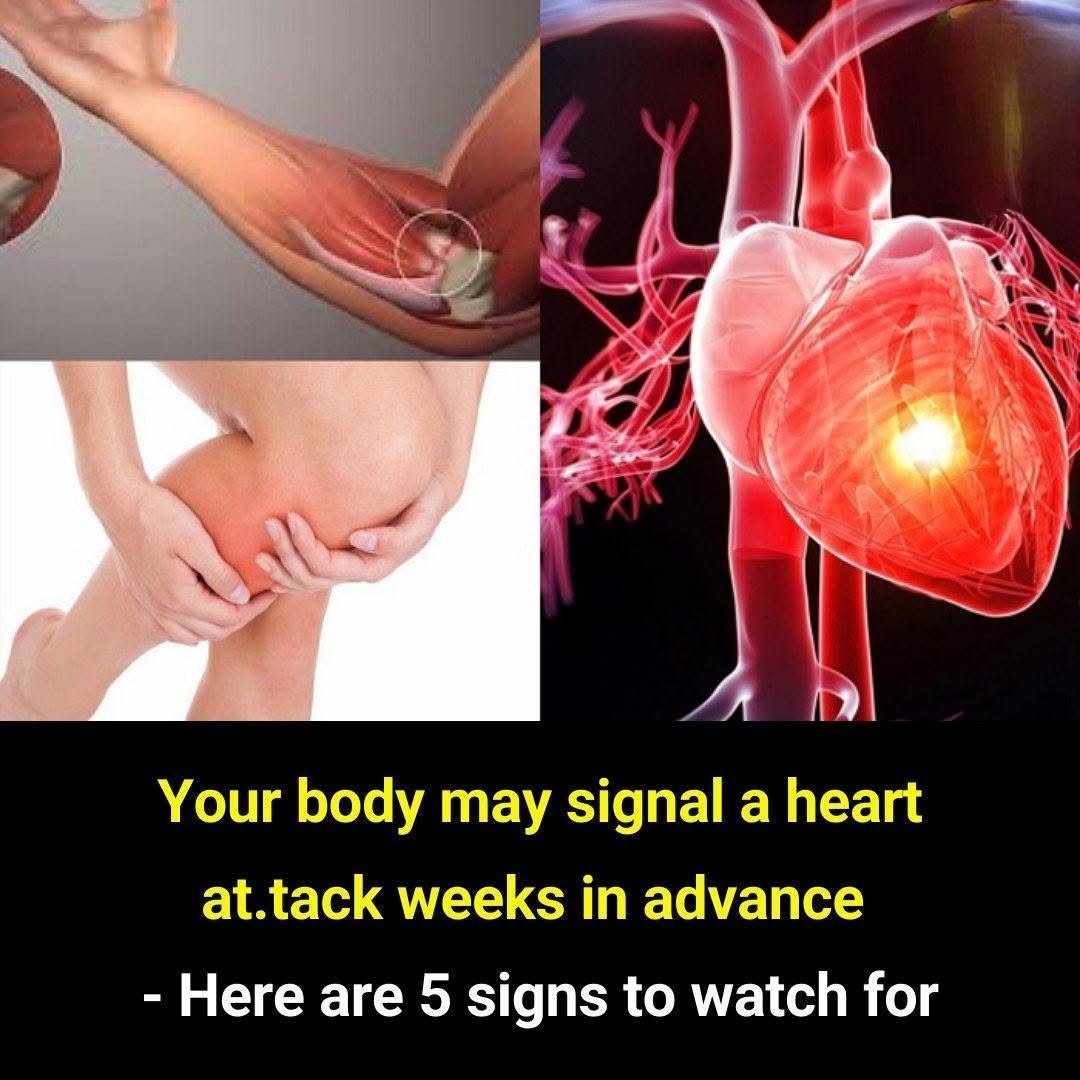
    A heart attack does not always arrive without warning. According to Mayo Clinic, some people experience symptoms hours, days, or even weeks beforehand, although this is not true for everyone. One important early warning can be recurring chest discomfort or pressure, particularly when it happens with activity and improves with rest. Other possible warning symptoms include unusual shortness of breath, unexplained fatigue, lightheadedness, nausea, or discomfort involving the arms, back, neck, jaw, or upper abdomen. (mayoclinic.org) These symptoms can have many causes that are unrelated to the heart, so experiencing one does not mean a heart attack is inevitable. However, a new or recurring pattern—especially in someone with cardiovascular risk factors—deserves medical attention rather than being automatically blamed on stress, aging, indigestion, or lack of sleep.

    Five warning signs worth knowing are recurring chest pressure or discomfort, unusual breathlessness, unexplained fatigue, discomfort spreading to the upper body, and nausea or lightheadedness. The American Heart Association lists chest discomfort, discomfort in the arms, back, neck, jaw or stomach, shortness of breath, cold sweats, nausea, and lightheadedness among important heart-attack symptoms. (heart.org) Women, older adults, and people with diabetes may sometimes experience less typical symptoms, meaning the absence of dramatic chest pain does not necessarily rule out a serious cardiac problem. (mayoclinic.org) Persistent or unexplained symptoms should be discussed with a qualified healthcare professional, particularly if they are becoming more frequent, occurring with physical activity, or appearing alongside other warning signs. Recognizing a pattern early can provide an opportunity for appropriate evaluation and risk management.

    Most importantly, do not wait for a future appointment if symptoms suggest an active heart attack. Chest pressure or pain lasting more than a few minutes, shortness of breath, cold sweating, nausea, or pain spreading into the arm, back, neck, or jaw can require emergency treatment. The American Heart Association recommends calling emergency medical services immediately when heart-attack warning signs are present. (heart.org) Prompt treatment can reduce heart damage, so attempting to “sleep it off” or waiting for symptoms to disappear can be dangerous. Disclaimer: This article is for general educational and informational purposes only and does not constitute medical diagnosis, treatment, or personalized health advice. Not everyone experiences warning symptoms before a heart attack, and the symptoms listed can have many other causes. Some online health claims may be general or unauthenticated, so important information should be verified through reliable medical sources and qualified healthcare professionals. If you think you or someone else may be having a heart attack, seek emergency medical help immediately.

  • Is Cremation a Sin According to the Bible? What Scripture Actually Says

    Is Cremation a Sin According to the Bible? What Scripture Actually Says

    Claims that the Bible clearly calls cremation a sin can be misleading because Scripture does not contain a direct command forbidding cremation. Burial was the common practice among biblical figures, including Abraham’s burial of Sarah and the burial of Jesus, but the Bible does not explicitly state that every deceased person must be buried rather than cremated. Genesis 3:19 describes humanity as returning to the ground—“for dust you are, and to dust you will return”—but this passage is about human mortality rather than a specific prohibition of cremation. The Bible also records an unusual example in 1 Samuel 31:11–13, where the bodies of Saul and his sons were burned and their bones were subsequently buried. This does not establish cremation as a required Christian practice, but it does make the claim that cremation itself is explicitly condemned difficult to support from Scripture.

    Some Christians nevertheless prefer burial because it reflects the traditional biblical pattern of honoring the dead and can symbolize hope in resurrection. Jesus was buried, and burial was the customary practice among ancient Israelites and early Christians. Certain passages concerning the burning of human remains, such as Amos 2:1, are sometimes presented online as proof that God condemns cremation. However, interpreting those passages as a universal prohibition requires additional assumptions about their historical context; the judgment described there concerns the actions and treatment of an enemy king’s remains rather than a straightforward command about modern cremation. The New Testament likewise does not provide a specific rule requiring Christians to choose burial. For believers who are concerned about resurrection, 1 Corinthians 15 focuses on God’s power to raise the dead rather than prescribing a particular method for disposing of earthly remains.

    Ultimately, whether cremation is acceptable is a matter on which Christian denominations and individual believers may differ. Some traditions strongly prefer burial, while others permit cremation, provided it is handled respectfully and without practices that conflict with their beliefs. The central biblical themes surrounding death include honoring the deceased, trusting God, and the hope of resurrection—not a clearly stated universal command about cremation. Therefore, saying “the Bible says cremation is a sin” goes beyond what the text explicitly teaches. Anyone making this decision may wish to consider Scripture, the teachings of their church or denomination, family wishes, and personal convictions. Disclaimer: This article is for general educational and informational purposes only and is not intended to provide definitive theological, religious, or pastoral advice. Interpretations of biblical passages can differ among denominations and scholars, and some online claims may be general or unauthenticated. Readers should verify important religious claims by consulting the Bible directly and, where appropriate, speaking with a qualified clergy member or trusted theological authority.

  • Don’t Ignore a Sore Throat: 5 Warning Signs That May Need Urgent Attention

    Don’t Ignore a Sore Throat: 5 Warning Signs That May Need Urgent Attention

    A sore throat is usually caused by a viral infection such as a cold or flu, and most cases improve within about a week. However, certain symptoms can indicate that the illness is more serious and deserves prompt medical evaluation. One important warning sign is difficulty breathing, especially when breathing becomes noisy or produces a high-pitched sound known as stridor. Another is difficulty swallowing, particularly if swallowing saliva becomes difficult. The NHS advises that people with a sore throat who cannot swallow, have breathing difficulties, are drooling, or are experiencing rapidly worsening severe symptoms should seek emergency medical care. These symptoms should never be dismissed as an ordinary sore throat because, in rare situations, swelling or infection can threaten the airway.

    Five warning signs worth remembering are trouble breathing, inability or severe difficulty swallowing, excessive drooling, rapidly worsening symptoms, and a high-pitched or abnormal breathing sound. A severe sore throat accompanied by a muffled or hoarse voice, fever, or significant difficulty swallowing can sometimes occur with serious conditions such as epiglottitis, while severe one-sided throat pain and difficulty opening the mouth can occur with a deeper throat infection such as a peritonsillar abscess. These conditions are uncommon, but they demonstrate why the severity and progression of symptoms matter. Other concerning symptoms include dehydration, blood in saliva or phlegm, a rash, or symptoms that continue without improvement or become worse. Importantly, these warning signs do not prove that a person has a dangerous condition; only an appropriate medical assessment can determine the cause.

    The key message is do not panic, but do not ignore serious changes. If a sore throat is mild and gradually improving, supportive care and monitoring may be sufficient, while persistent or worsening symptoms should be discussed with a healthcare professional. If breathing becomes difficult, swallowing becomes impossible, drooling develops because saliva cannot be swallowed, or symptoms become severe very quickly, emergency medical attention is appropriate rather than waiting several days. Most sore throats are not life-threatening, so the headline claim that a sore throat can routinely become “deadly in just days” is misleading; the important issue is recognizing rare but potentially dangerous warning signs early. Disclaimer: This article is for general educational and informational purposes only and does not constitute medical diagnosis, treatment, or personalized health advice. A sore throat can have many causes, and information online may be general or unauthenticated. Always verify important health information through reliable medical sources and consult a qualified healthcare professional. If you experience severe breathing or swallowing difficulties, seek emergency medical care immediately.

  • Did You Know That Older Women Can Have a Fulfilling Intimate Life Too?

    Did You Know That Older Women Can Have a Fulfilling Intimate Life Too?

    Getting older does not mean that intimacy, affection, or sexual wellbeing have to disappear. In fact, research shows that many older women continue to value intimacy and remain sexually active well into later life. The National Institute on Aging explains that sexuality and intimacy can remain important parts of life as people age, while relationships may benefit from greater communication, emotional closeness, and fewer of the distractions that can affect younger couples. Some couples even report greater satisfaction later in life because they have more confidence discussing their preferences and needs. Rather than assuming that age determines someone’s level of desire or satisfaction, it is more accurate to recognize that sexual wellbeing is highly individual. Emotional connection, physical health, relationship quality, stress, medications, and personal preferences can all influence how someone experiences intimacy.

    At the same time, aging can bring physical changes that affect comfort and sexual response. After menopause, lower estrogen levels may contribute to vaginal dryness, thinner vaginal tissues, and discomfort during certain forms of intimacy. These changes are common, but they do not mean that a fulfilling intimate relationship is no longer possible. The American College of Obstetricians and Gynecologists emphasizes that there is no single “right” form of intimacy as people age, and couples can adapt their relationships according to what feels comfortable and meaningful to them. Communication becomes especially valuable: openly discussing comfort, expectations, health changes, and emotional needs can help couples maintain closeness. Persistent pain, significant dryness, or other sexual-health concerns should not simply be accepted as unavoidable consequences of aging because healthcare professionals can often identify appropriate options for managing them.

    The biggest takeaway is that age alone does not determine intimacy or relationship satisfaction. Older women can continue to experience affection, closeness, desire, and fulfilling relationships, although the experience may naturally change over time. A 2018 review of women’s sexual health and aging found that many older women continue to consider sex important, while emotional intimacy is also a significant reason for engaging in relationships. Healthy aging therefore includes caring for both physical and emotional wellbeing, maintaining honest communication with a partner, and seeking professional guidance when symptoms interfere with comfort or quality of life. Disclaimer: This article is intended for general educational and informational purposes only and does not constitute medical advice, diagnosis, or treatment. Sexual wellbeing varies greatly between individuals, and some information may be general or unauthenticated. Important health claims should be verified through reliable medical sources, and persistent pain or other concerning symptoms should be discussed with a qualified healthcare professional.

  • Beware: Do These 5 Fruits Really “Fuel Cancer Cells”? Here’s What the Evidence Says

    Beware: Do These 5 Fruits Really “Fuel Cancer Cells”? Here’s What the Evidence Says

    Headlines claiming that certain fruits “fuel cancer cells” can sound frightening, but the scientific evidence does not support a simple list of five ordinary fruits that people should avoid because they supposedly feed cancer. In fact, major cancer organizations recommend including fruit as part of a healthy dietary pattern. The American Cancer Society recommends whole fruits in a variety of colors, while the World Cancer Research Fund recommends making fruit, vegetables, whole grains, and legumes a major part of the everyday diet. Fruits such as bananas, grapes, mangoes, apples, and oranges naturally contain carbohydrates and sugars, but that does not mean eating them causes cancer cells to grow. Cancer biology is considerably more complicated than simply removing sugar-containing foods. Cancer cells use glucose for energy, but normal healthy cells also require glucose, and avoiding fruit does not selectively “starve” cancer cells. Therefore, replacing nutritious whole fruit with fear-based restrictions could actually reduce dietary variety and important sources of fiber, vitamins, minerals, and beneficial plant compounds.

    There are, however, important distinctions between whole fruit and highly processed fruit products. Whole fruits generally contain fiber and water, which can make them more filling and support a balanced eating pattern. Fruit juices contain less fiber and can deliver more naturally occurring sugar in a smaller volume, so cancer-prevention guidelines generally favor whole fruits over large amounts of juice. This does not mean fruit juice is automatically dangerous, but portion size and the overall diet matter. Likewise, dried fruit can be nutritious while being much more concentrated in calories and natural sugars because water has been removed. For people managing diabetes, weight, or other medical conditions, individualized dietary guidance may be appropriate. But the claim that five inexpensive fruits are “not worth the risk” because they directly feed cancer cells is not an evidence-based conclusion. The stronger evidence points toward an overall dietary pattern rich in plant foods and fiber, rather than eliminating specific whole fruits based on sensational headlines.

    The most useful takeaway is to choose variety rather than fear. Eating different whole fruits can help provide fiber, vitamins, minerals, and naturally occurring plant compounds, while a balanced diet can also include vegetables, whole grains, beans, nuts, and other nutritious foods. The World Cancer Research Fund reports strong evidence that dietary fiber can reduce colorectal cancer risk and recommends a diet containing a variety of plant foods. If someone has cancer or is receiving treatment, dietary needs can vary depending on the type of cancer, treatment, symptoms, medications, and nutritional status, so personalized advice from the oncology team or a registered dietitian is more appropriate than following viral food lists. Disclaimer: This article is for general educational and informational purposes only and does not constitute medical advice, diagnosis, treatment, or individualized nutrition guidance. The claim that specific fruits “fuel cancer cells” is an oversimplification and is not supported as a general rule by the reliable sources reviewed here. Health information online may be general, exaggerated, or unauthenticated, so important claims should always be verified through reliable medical sources and qualified healthcare professionals.

  • How One Simple Root Became My Grandma’s Go-To Natural Wellness Remedy

    How One Simple Root Became My Grandma’s Go-To Natural Wellness Remedy

    For generations, simple kitchen ingredients have often been part of traditional wellness routines, and ginger root is one of the most familiar examples. Its warm flavor and distinctive aroma have made it a staple in many cultures, where people have traditionally used it in teas, meals, and homemade preparations. Modern research has also investigated ginger for several health-related purposes. According to the National Center for Complementary and Integrative Health (NCCIH), ginger has been studied particularly for nausea and vomiting, with some evidence suggesting it may help with pregnancy-related nausea. This helps explain why a grandmother might reach for a cup of warm ginger tea when experiencing occasional stomach discomfort or nausea. Ginger contains naturally occurring compounds such as gingerols and shogaols, but its effects should not be exaggerated. A traditional remedy can be comforting and useful without being a guaranteed treatment for every health condition.

    One reason ginger remains popular is its versatility. Fresh ginger can be added to warm water or tea, grated into meals, or incorporated into everyday recipes. Research has explored potential benefits involving nausea, menstrual discomfort, and certain forms of pain, although the quality and consistency of evidence vary between conditions. This distinction is important because online wellness content sometimes turns traditional ingredients into claims that they can “detox” the body, cure chronic diseases, or replace prescribed treatment. There is not enough evidence to support such broad promises. For someone simply looking to include ginger as part of a balanced lifestyle, using it as a food or occasional beverage may be a reasonable approach. However, concentrated supplements are different from ordinary culinary amounts, and people taking medications should be cautious because herbal products can interact with medicines.

    Grandma’s remedy may therefore have a place in a modern natural wellness routine, but it should be viewed as a complementary habit rather than a miracle cure. A simple cup of ginger tea can be an enjoyable way to incorporate the root into a balanced diet, particularly when someone appreciates its warming flavor or finds it soothing during occasional nausea. At the same time, persistent stomach problems, unexplained pain, severe nausea, or other ongoing symptoms should not be managed solely with home remedies. Ginger can also cause side effects such as heartburn, abdominal discomfort, diarrhea, or irritation of the mouth and throat in some people. Disclaimer: This article is for general educational and informational purposes only and does not constitute medical diagnosis, treatment, or personalized health advice. Traditional remedies may have potential benefits, but evidence varies and some claims may be general or unauthenticated. Always verify important health information through reliable medical sources and consult a qualified healthcare professional before using herbal supplements or changing treatment.

  • Doctor Warns: Eating Boiled Eggs in the Morning Causes… Here’s What the Evidence Really Says

    Doctor Warns: Eating Boiled Eggs in the Morning Causes… Here’s What the Evidence Really Says

    Boiled eggs are often promoted as a convenient, protein-rich breakfast, but dramatic claims that eating them in the morning automatically causes disease are misleading. A large egg provides approximately 6 grams of protein along with nutrients such as choline, vitamin B12, vitamin D, selenium, and antioxidants. Harvard Health notes that for most healthy people, eating about one egg a day can be part of a heart-healthy diet. The method of preparation also matters: boiled eggs do not require the added butter, oil, or processed meats that can accompany some fried or restaurant-style egg meals. Instead of focusing only on the egg itself, nutrition experts recommend considering the entire meal and overall dietary pattern. Pairing eggs with vegetables, whole grains, fruit, or other nutrient-dense foods can create a more balanced breakfast than combining them regularly with foods high in saturated fat and sodium.

    The main concern surrounding eggs is dietary cholesterol, particularly in the yolk. One large egg contains roughly 186 milligrams of cholesterol, but current evidence indicates that dietary cholesterol generally has a smaller influence on blood cholesterol than the types and amounts of fat in the overall diet. This does not mean everyone should eat unlimited eggs. People with certain health conditions, including cardiovascular disease, diabetes, or difficulty controlling LDL cholesterol, may need individualized dietary guidance. Harvard Health specifically recommends discussing egg intake with a healthcare professional for people in these higher-risk groups. For most healthy adults, however, there is no strong evidence that simply eating a boiled egg in the morning causes a heart attack or stroke. The bigger nutritional picture—including saturated fat, fiber, physical activity, body weight, blood pressure, and the rest of the diet—can have a much greater influence on long-term cardiovascular health.

    So, should you stop eating boiled eggs for breakfast? Not necessarily. For many people, a boiled egg can be a practical and nutritious part of a balanced morning meal, particularly when it replaces highly processed breakfast foods. If you regularly eat several eggs each day, have elevated cholesterol, diabetes, cardiovascular disease, or have been given specific dietary instructions by your doctor, it is sensible to discuss an appropriate amount with a qualified healthcare professional. Rather than following alarming “See more” headlines, focus on evidence-based nutrition and your individual health needs. Eggs can be valuable, but they are only one component of an overall eating pattern. Disclaimer: This article is for general educational and informational purposes only and does not constitute medical diagnosis, treatment, or personalized nutritional advice. Health recommendations can vary between individuals, and some online claims may be general, exaggerated, or unauthenticated. Always verify important health information through reliable medical sources and consult a qualified healthcare professional before making significant dietary changes.