Author: Mohsin king

  • Ever Wonder Why Your Dog Sniffs That Area? The Answer Is Surprisingly Simple

    Ever Wonder Why Your Dog Sniffs That Area? The Answer Is Surprisingly Simple

    If your dog suddenly walks over and starts sniffing your groin or private area, there is usually no mysterious or embarrassing reason behind it. Dogs experience the world primarily through their incredibly powerful sense of smell, and certain areas of the human body contain higher concentrations of apocrine sweat glands. These glands release chemical signals and scents that can provide dogs with information about the person they are investigating. Veterinary sources explain that dogs use this behavior as a normal way to gather information and greet people, much like sniffing another dog’s rear when they meet.

    Your dog may notice changes in body scent, hormones, sweat, or other chemical signals that humans cannot detect. This can sometimes explain why a dog becomes especially interested in someone who is menstruating, has recently given birth, or has experienced other changes in body chemistry. However, viral claims that a dog can reliably diagnose cancer, pregnancy, or another specific medical condition simply by sniffing a person should be treated cautiously. Dogs can detect remarkably subtle odors, but that does not mean every unusual sniffing behavior is a medical diagnosis. Their behavior may simply reflect curiosity, a new scent, excitement, or learned attention-seeking.

    If the behavior is embarrassing, you do not need to punish your dog. Instead, redirect the behavior by teaching commands such as “sit” or “stay,” rewarding calm greetings, and giving the dog another appropriate scent target to investigate. You can also allow the dog to briefly sniff an offered hand before redirecting them, particularly when visitors arrive. Sniffing is a normal part of canine communication, so the goal is to teach polite behavior rather than eliminate your dog’s natural sense of smell. Disclaimer: This article is for general educational and pet-behavior information only and does not constitute veterinary diagnosis or professional advice. A dog’s sniffing behavior cannot reliably diagnose a human health condition. Online claims about dogs detecting diseases or hormones may be exaggerated or unauthenticated, so verify important information through reliable veterinary or medical sources.

  • Coconut Oil and Beauty: 7 Everyday Uses You Should Know About

    Coconut Oil and Beauty: 7 Everyday Uses You Should Know About

    Coconut oil has become a popular ingredient in haircare and skincare routines because it is rich in fatty acids and can provide an occlusive layer that helps reduce moisture loss from the skin. One common use is as a body moisturizer, particularly for dry areas such as elbows, knees, and hands. It can also be used as a simple makeup-removal oil because its texture helps loosen some oil-based cosmetics, although it should be followed by gentle cleansing. Another everyday use is applying a small amount to dry hair lengths and ends. Research has found that coconut oil can penetrate the hair shaft more effectively than some other commonly used oils and may help reduce protein loss from damaged hair. (pubmed.ncbi.nlm.nih.gov) These properties make it a useful low-cost option for people looking for simple personal-care products.

    Other popular uses include applying coconut oil to dry cuticles, rough heels, and dry lips as a protective moisturizer. Some people also use a tiny amount to smooth frizzy hair, tame flyaways, or add temporary shine. However, more is not necessarily better: coconut oil can feel heavy or greasy, and it may clog pores for some people, particularly those prone to acne. Dermatology guidance also emphasizes that fragrance-free, non-comedogenic moisturizers are often preferable for acne-prone skin. (aad.org) Coconut oil should also not be considered a substitute for sunscreen, because ordinary coconut oil does not provide reliable broad-spectrum UV protection. For sun exposure, use a properly tested sunscreen with an appropriate SPF.

    A final consideration is where and how you apply it. Before using coconut oil on your face or a large area of skin, test a small amount on a limited area to see whether irritation or breakouts occur. Keep it away from the eyes, and stop using it if you develop persistent redness, itching, swelling, or discomfort. Coconut oil can be a convenient addition to a beauty routine, but it is not a cure for eczema, acne, hair loss, or other medical conditions. For persistent skin or scalp problems, professional evaluation is more appropriate than relying on home remedies. Disclaimer: This article is for general beauty and skincare information only and does not constitute medical diagnosis, treatment, or personalized advice. Coconut oil may work well for some people but can cause irritation or breakouts in others. Always verify important skincare claims through reliable dermatology sources and consult a qualified healthcare professional or dermatologist for persistent or concerning skin or hair problems.

  • Before You Eat Yesterday’s Leftovers, Here’s What You Should Know About These 5 Foods

    Before You Eat Yesterday’s Leftovers, Here’s What You Should Know About These 5 Foods

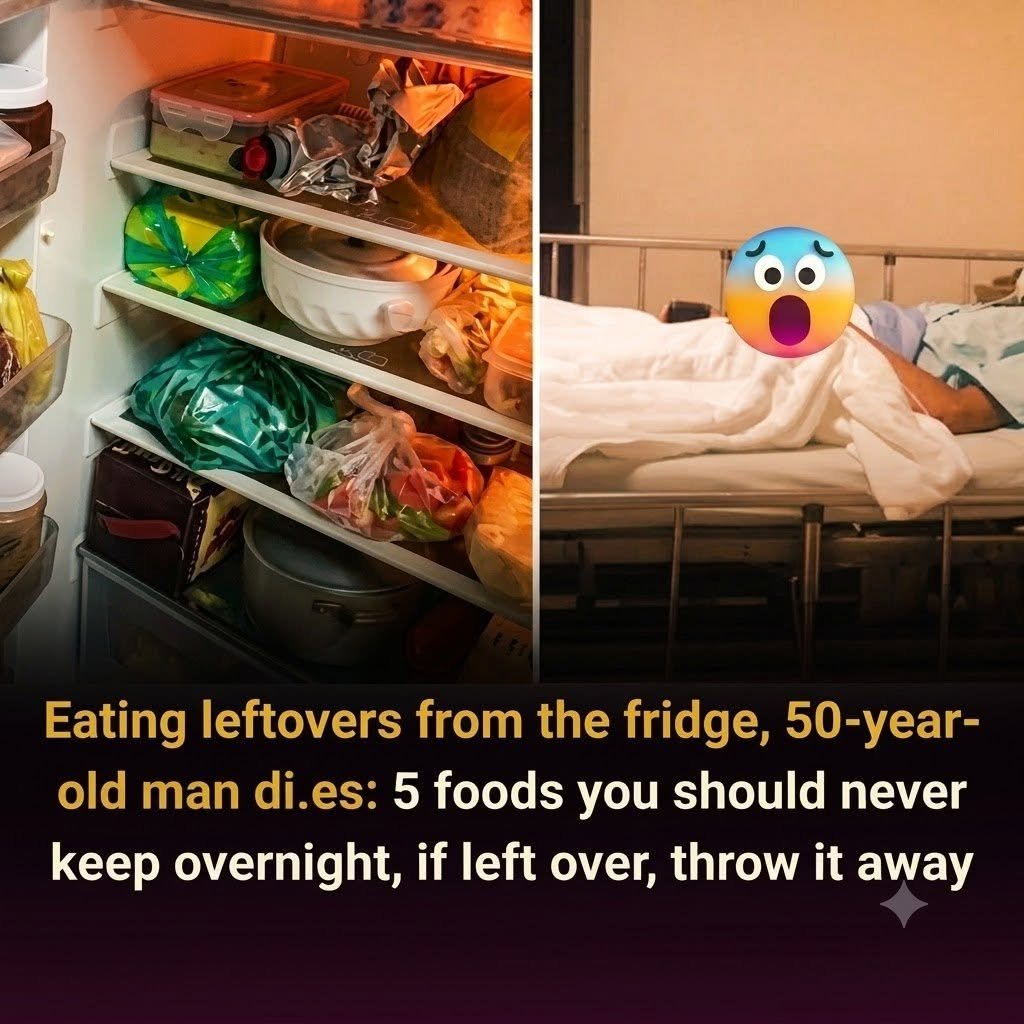
    Yesterday’s leftovers are not automatically unsafe, but how quickly they were refrigerated and how they were stored matters more than simply being “one day old.” Five foods that deserve particular attention are cooked chicken, fish, rice or pasta dishes, eggs, and creamy or mayonnaise-based salads. Cooked chicken and fish can support bacterial growth if they are left at room temperature too long, while rice and pasta can become risky when cooked foods are cooled slowly or left unrefrigerated. USDA guidance says perishable leftovers should be refrigerated within two hours—or within one hour when temperatures exceed 90°F (32°C)—and most properly refrigerated leftovers should be eaten within 3–4 days. Eggs and dishes containing eggs also need proper refrigeration, with cooked egg dishes generally recommended for use within 3–4 days.

    The second issue is how the leftovers were cooled. A large pot of rice, pasta, curry, soup, or meat should not simply sit on the kitchen counter for hours before going into the refrigerator. USDA recommends dividing large quantities into shallow containers so they cool more quickly. Your refrigerator should be maintained at 40°F (4°C) or below, which slows bacterial growth. Reheating also matters: USDA recommends reheating leftovers to 165°F (74°C). Importantly, you cannot always determine whether food is safe simply by smelling or tasting it. Some harmful microorganisms can be present even when food looks, smells, and tastes normal, so “it smells fine” is not a reliable safety test.

    The safest habit is simple: refrigerate leftovers promptly, store them covered in shallow containers, keep the refrigerator cold, and follow the 3–4-day guideline. If a perishable food was left at room temperature for more than two hours, it is safer to discard it rather than trying to rescue it by reheating. If you know that food was handled improperly, has visible mold, or you are uncertain about how long it has been stored, the safest approach is to throw it away. This is especially important for older adults, young children, pregnant women, and people with weakened immune systems, who can face more serious consequences from foodborne illness. Disclaimer: This article provides general food-safety information and does not constitute medical advice. Storage times can vary depending on the food, temperature, preparation, and handling conditions. Always verify food-safety recommendations through reliable authorities such as the USDA or FDA, and when in doubt about a perishable leftover, throw it out.

  • She Ate Eggs at Every Meal for 5 Months While Trying to Lose Weight — What Her Checkup Revealed

    She Ate Eggs at Every Meal for 5 Months While Trying to Lose Weight — What Her Checkup Revealed

    Eggs can be an excellent source of high-quality protein, vitamins, minerals, and essential nutrients, which makes them a useful part of many weight-management diets. But eating eggs at every meal for five months is a very different strategy from simply including eggs regularly. An egg contains roughly 6 grams of protein and several important nutrients, but it provides little dietary fiber and does not supply the nutritional variety found in vegetables, fruits, whole grains, legumes, nuts, seeds, and other protein foods. Current American Heart Association guidance emphasizes an overall dietary pattern built around vegetables and fruits, whole grains, healthy protein sources, minimally processed foods, and healthier unsaturated fats. So, even if someone loses weight while eating eggs frequently, the result does not necessarily mean that eggs themselves caused the weight loss.

    The bigger concern with an egg-heavy diet is what it replaces and how the eggs are prepared. If eggs replace high-calorie pastries, sugary breakfast foods, or heavily processed snacks, the overall diet may improve. But if someone eats several whole eggs throughout the day while also consuming butter, cheese, processed meats, or other foods high in saturated fat, their overall dietary pattern may become less heart-friendly. The American Heart Association notes that dietary cholesterol is no longer considered the primary target for cardiovascular-risk reduction for most people, but it still emphasizes choosing healthier overall dietary patterns and limiting saturated fat. People with elevated cholesterol, diabetes, or certain cardiovascular risk factors may need more individualized advice about egg intake. A dramatic medical-checkup story claiming that eggs alone caused a shocking result should therefore be treated cautiously unless actual clinical details and reliable evidence are provided.

    The healthiest lesson is variety rather than extremes. Eggs can absolutely fit into a weight-management plan, but sustainable weight loss generally depends on overall calorie intake, food quality, physical activity, sleep, and habits that can be maintained long term. The American Heart Association’s 2026 guidance emphasizes achieving and maintaining a healthy body weight while eating a wide variety of nutrient-rich foods and choosing minimally processed sources of protein. Instead of making eggs the centerpiece of every meal, consider rotating them with beans, fish, poultry, yogurt, nuts, seeds, and other nutritious foods while adding plenty of vegetables, fruits, and whole grains. Disclaimer: This article is for general educational and nutritional information only and does not constitute medical diagnosis, treatment, or personalized dietary advice. Eating eggs does not automatically cause high cholesterol, heart disease, or other medical problems, and a sensational medical-checkup story cannot be verified without genuine clinical information. Health claims online may be exaggerated, misleading, or unauthenticated, so always verify important information through reliable medical sources and consult a qualified healthcare professional for individualized guidance.

  • Your Feet Could Reveal Important Health Clues: 5 Signs That May Be Linked to Kidney Problems

    Your Feet Could Reveal Important Health Clues: 5 Signs That May Be Linked to Kidney Problems

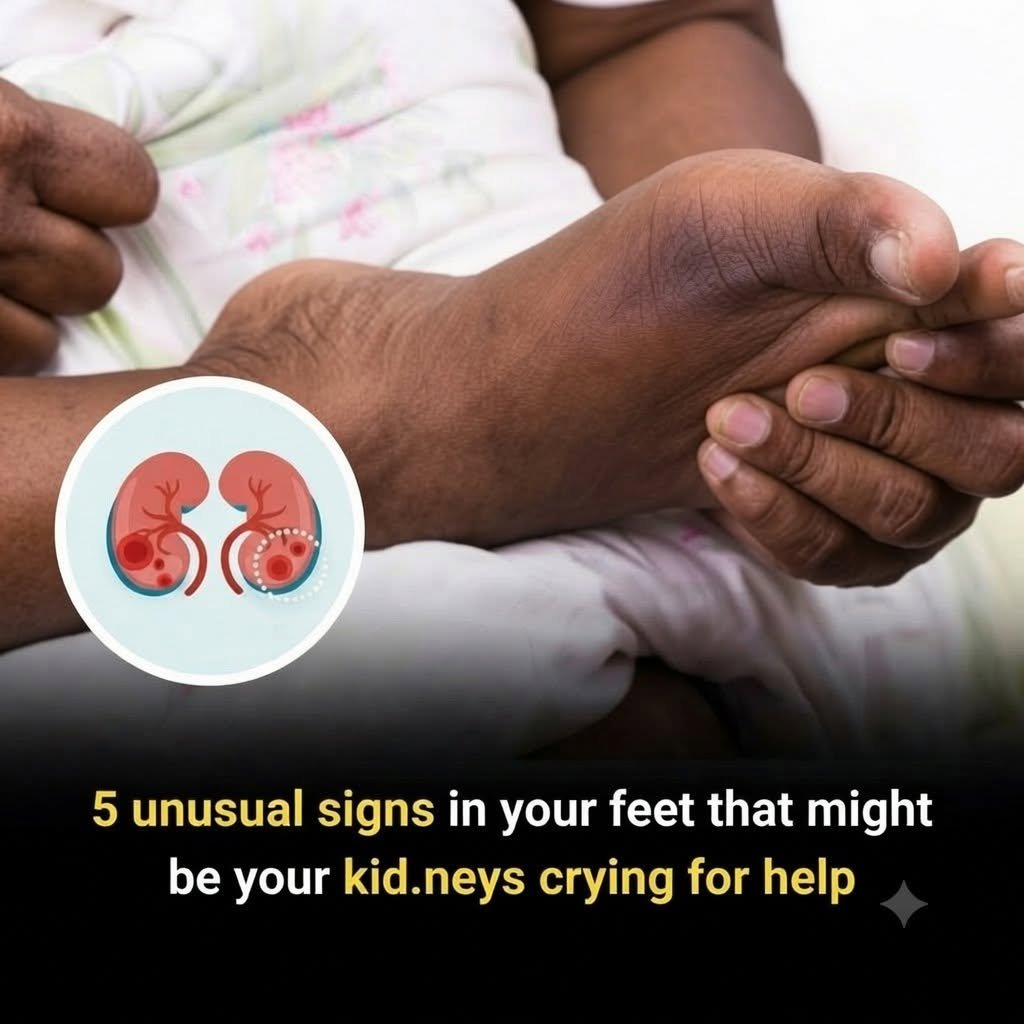
    Your feet can sometimes show changes associated with problems elsewhere in the body, including the kidneys, but one symptom alone cannot diagnose kidney disease. One of the most noticeable changes is persistent swelling around the feet and ankles. When kidney function is reduced, the body may retain excess fluid and salt, which can contribute to edema in the legs, feet, and ankles. (niddk.nih.gov) A second possible clue is rapid or unexplained weight gain, particularly when it occurs alongside swelling, because retained fluid can increase body weight. A third is persistent itching or unusually dry skin. These symptoms can occur in more advanced kidney disease, although they have many other possible causes. (niddk.nih.gov)

    A fourth sign to pay attention to is frequent muscle cramps or unusual weakness in the legs and feet. Muscle cramps can occur with advanced kidney disease and changes in the body’s fluid and mineral balance, but they are also common for many unrelated reasons. (niddk.nih.gov) A fifth clue is swelling that appears together with foamy urine or changes in urination. Foamy urine can sometimes indicate excess protein in the urine, while changes in how often someone urinates can occur as kidney disease progresses. (niddk.nih.gov) However, these signs are not specific to kidney disease. Heart, liver, vein, medication, dietary, and other health problems can also cause swelling or changes in the feet.

    Perhaps the most important fact is that early chronic kidney disease often causes no obvious symptoms. Many people discover kidney problems only through blood and urine testing. NIDDK recommends kidney testing for people with important risk factors such as diabetes, high blood pressure, heart disease, or a family history of kidney failure. Testing commonly includes a blood test estimating kidney filtration (GFR) and a urine test for albumin. (niddk.nih.gov) If you develop persistent swelling, significant changes in urination, unexplained foamy urine, or other concerning symptoms, speak with a healthcare professional rather than trying to diagnose yourself from your feet. Disclaimer: This article is for general educational and informational purposes only and does not constitute medical diagnosis, treatment, or personalized health advice. Foot changes can have many causes and do not prove kidney disease. Health claims online may be exaggerated, misleading, or unauthenticated, so always verify important information through reliable medical sources and consult a qualified healthcare professional for appropriate testing and guidance.

  • No Matter How Hungry You Are, Don’t Touch These 5 Breakfast Foods

    No Matter How Hungry You Are, Don’t Touch These 5 Breakfast Foods

    Breakfast can be an important opportunity to start the day with protein, fiber, whole grains, fruit, and other nutrient-dense foods, but some popular morning choices are better treated as occasional foods rather than everyday staples. One category to limit is sugary breakfast cereals, especially varieties loaded with added sugar and low in fiber. Another is pastries, doughnuts, and sweet muffins, which can combine refined flour, added sugars, saturated fat, and large portions. Harvard nutrition guidance notes that many ready-to-eat cereals, cereal bars, pastries, and flavored instant oatmeal products can contain substantial amounts of added sugar. These foods are not automatically “poison,” but regularly choosing them can make it harder to build a balanced, nutrient-rich breakfast.

    A third food to limit is processed breakfast meats, including bacon, sausage, and some deli or luncheon meats. These products can be high in sodium and saturated fat, and processed meat has been associated with increased health risks when consumed frequently. Fourth is sugary breakfast drinks, such as sweetened coffee beverages, sodas, and heavily sweetened fruit drinks. Liquid calories can add significant amounts of added sugar without providing the same fullness as a whole-food breakfast. Fifth is highly refined breakfast foods, such as white bread or heavily refined bagels eaten without a nutritious protein or fiber source. Current American Heart Association guidance recommends choosing mostly whole grains, healthy protein sources, minimally processed foods, and foods lower in added sugar and sodium.

    The healthier message is not that you must never eat these foods. Instead, think about frequency, portion size, and what you choose alongside them. A breakfast of oatmeal with nuts and fruit, plain yogurt with berries, eggs with vegetables and whole-grain toast, or another combination containing protein and fiber can provide longer-lasting nutrition. Harvard guidance specifically highlights minimally processed breakfast options such as unsweetened oatmeal, whole-grain toast with nut butter, and low-sugar cereals. Disclaimer: This article is for general educational and nutritional information only and does not constitute medical diagnosis, treatment, or personalized dietary advice. No single breakfast food is universally harmful, and individual nutritional needs vary. Health claims online may be exaggerated, misleading, or unauthenticated, so always verify important information through reliable nutrition and health sources and consult a qualified healthcare professional for individualized guidance.

  • Not Everyone Should Eat Avocados! Are You One of These 5 Groups?

    Not Everyone Should Eat Avocados! Are You One of These 5 Groups?

    Avocados are highly nutritious for most people, providing fiber, monounsaturated fats, potassium, folate, vitamin E, and other beneficial nutrients. However, certain people may need to limit them or discuss their intake with a healthcare professional. The first group is people with advanced kidney disease or elevated blood potassium. Avocados are relatively high in potassium, and people whose kidneys cannot remove potassium effectively may need to control high-potassium foods. The National Kidney Foundation emphasizes that potassium restrictions depend on kidney function and blood-test results, meaning not everyone with kidney disease automatically has to avoid avocado. The second group is people with a known avocado allergy. Reactions can range from mouth itching and hives to swelling, digestive symptoms, or, rarely, a severe allergic reaction. People with latex allergy may also experience cross-reactivity with avocado.

    The third group includes people taking warfarin or certain other medications affected by vitamin K intake. Avocados contain vitamin K, so the key issue is usually consistency rather than automatically eliminating the fruit. People taking warfarin should discuss major dietary changes with their healthcare professional rather than suddenly increasing or avoiding vitamin-K-containing foods. The fourth group is people who experience digestive discomfort after eating avocado. Its combination of fat and fiber can cause bloating, abdominal discomfort, or loose stools in some sensitive individuals, particularly when large portions are consumed. The fifth group is people who are carefully managing calorie intake. Avocados contain healthy fats, but they are energy-dense: half an avocado provides about 160 calories, so portion size still matters when weight management is a goal.

    The important message is that avocado is not a harmful food that most people need to avoid. For many adults, it can be an excellent part of a balanced eating pattern, especially when it replaces foods higher in saturated fat. The concern is individual circumstances—kidney function, blood potassium, allergies, medications, digestive tolerance, and overall calorie needs. If you have kidney disease, take warfarin, have a latex or avocado allergy, or repeatedly experience symptoms after eating avocado, speak with a qualified healthcare professional before making major dietary changes. Disclaimer: This article is for general educational and nutritional information only and does not constitute medical diagnosis, treatment, or personalized dietary advice. Most people can enjoy avocados safely, and the groups described above do not necessarily need to eliminate them completely. Health claims online may be exaggerated, misleading, or unauthenticated, so always verify important information through reliable medical sources and consult a qualified healthcare professional for individualized guidance.

  • Can Eating a Banana at Night Benefit Your Body? Here’s What Research Suggests

    Can Eating a Banana at Night Benefit Your Body? Here’s What Research Suggests

    Eating a banana at night can be a nutritious choice for many people, particularly when it replaces highly processed sweets or salty snacks. Bananas provide carbohydrates, potassium, vitamin B6, and some magnesium, while also contributing dietary fiber. Because diet and sleep are connected, researchers have investigated whether certain nutrients and foods may influence sleep quality. Studies suggest that nutrients involved in pathways related to tryptophan, serotonin, and melatonin may play a role in sleep regulation, although the evidence does not establish that eating a banana before bed will automatically improve sleep. (pubmed.ncbi.nlm.nih.gov) A banana can therefore be a sensible evening snack, but it should not be presented as a guaranteed natural sleep remedy.

    One reason bananas receive attention is their mineral and carbohydrate content. Magnesium participates in normal nerve and muscle function, while potassium is essential for fluid balance and normal muscle and nerve activity. However, research on magnesium and sleep is still developing, and evidence from supplementation studies should not be interpreted as proof that a banana itself treats insomnia. A 2025 systematic review found that some dietary interventions may improve sleep outcomes, but researchers also emphasized the need for further evidence and larger, well-designed studies. (pubmed.ncbi.nlm.nih.gov) Timing may matter as well: one observational study of young adults found that eating within three hours of bedtime was associated with more nighttime awakenings, although that study could not prove that meal timing caused the sleep disruption. (pubmed.ncbi.nlm.nih.gov)

    The best approach is to consider your individual response and the overall quality of your evening diet. If a small banana satisfies hunger without causing digestive discomfort, it can be a convenient and nutrient-rich snack. If eating shortly before bed causes reflux, bloating, or disturbed sleep, it may be better to finish your evening meal or snack earlier. People with diabetes, kidney disease, or dietary restrictions may also need individualized advice about carbohydrate or potassium intake. Rather than relying on one food to transform sleep, focus on consistent sleep and wake times, a comfortable sleeping environment, balanced nutrition, and limiting caffeine and other factors that interfere with sleep. Disclaimer: This article is for general educational and nutritional information only and does not constitute medical diagnosis, treatment, or personalized dietary advice. Current research does not prove that eating a banana at night directly improves sleep for everyone. Individual responses vary, and important health or dietary concerns should always be discussed with a qualified healthcare professional and verified through reliable medical sources.

  • The Hidden Side of Ginger: 5 Health Conditions That Require Caution

    The Hidden Side of Ginger: 5 Health Conditions That Require Caution

    Ginger is a popular kitchen spice and is generally well tolerated when consumed in ordinary food amounts. It has also been studied for nausea, menstrual cramps, and several other health concerns. However, “natural” does not automatically mean risk-free, especially when ginger is consumed in concentrated teas, extracts, capsules, or large amounts. The National Center for Complementary and Integrative Health notes that oral ginger can cause abdominal discomfort, heartburn, diarrhea, and irritation of the mouth or throat, particularly in higher amounts. People with acid reflux or a sensitive digestive system may therefore find that large quantities make symptoms worse rather than better. If ginger repeatedly causes burning, stomach pain, or digestive problems, reducing the amount or discussing it with a healthcare professional is sensible.

    One major area of caution involves bleeding disorders and blood-thinning medication. Ginger supplements may affect platelet activity, and medical references advise caution for people taking anticoagulant or antiplatelet medicines such as warfarin or certain other blood thinners. People preparing for surgery should also tell their healthcare team about ginger supplements because of the potential bleeding concern. Another group requiring caution is people with diabetes or low blood sugar, because concentrated ginger products may contribute to lower blood-glucose levels when combined with diabetes medicines. Finally, people with gallstones or gallbladder disease should ask a healthcare professional before using medicinal doses or supplements, as ginger may increase bile flow.

    A fifth situation is pregnancy or breastfeeding, where concentrated ginger supplements should not be treated like an ordinary food without professional guidance. NCCIH says ginger supplements may be safe during pregnancy, but recommends discussing their use with a healthcare provider; evidence about breastfeeding is limited. The important distinction is between using a modest amount of ginger as a cooking ingredient and taking high-dose supplements or concentrated preparations. If you take prescription medication, have a bleeding condition, diabetes, gallstones, significant reflux, or an upcoming procedure, check with your doctor or pharmacist before using ginger medicinally. Disclaimer: This article is for general educational and nutritional information only and does not constitute medical diagnosis, treatment, or personalized medical advice. Ordinary culinary use of ginger is generally well tolerated, but concentrated products may carry different risks. Health claims online may be exaggerated, misleading, or unauthenticated, so always verify important information through reliable medical sources and consult a qualified healthcare professional for individualized guidance.

  • These Are the Consequences of Sleeping With Wet Hair

    These Are the Consequences of Sleeping With Wet Hair

    Going to bed with wet hair may seem harmless when you are tired, but making it a regular habit can affect hair and scalp health. Wet hair is more fragile than dry hair, so friction against a pillow while you move during sleep can increase the chance of tangling, stretching, split ends, and breakage. Dermatologists also note that repeatedly keeping the scalp damp for long periods may create a warm, moist environment that can contribute to scalp problems such as dandruff, irritation, or folliculitis in some people. However, an important myth should be clarified: sleeping with wet hair does not directly cause a common cold. Colds are caused by viruses, not simply by having wet hair.

    Another issue is the combination of moisture and friction. If wet hair is tied tightly into a bun, braid, or ponytail before sleeping, the tension can add further stress to already fragile strands. People with chemically treated, damaged, fine, or particularly fragile hair may notice breakage more easily. A damp pillow can also remain moist for hours, and experts suggest that regularly sleeping with wet hair may contribute to an environment where certain microorganisms can thrive. This does not mean that everyone who sleeps with wet hair will develop an infection—the evidence is not strong enough to make that claim—but people who already experience dandruff, scalp itching, or irritation may benefit from keeping their scalp drier.

    The simplest approach is to let your hair dry as much as possible before going to bed. Gently blot it with a towel rather than aggressively rubbing, and if you need faster drying, use a hair dryer on a cool or low-heat setting. The American Academy of Dermatology recommends minimizing handling of wet hair because it breaks more easily, while Cleveland Clinic dermatologists similarly recommend allowing hair to dry before bedtime whenever possible. You do not need to panic if you occasionally fall asleep with damp hair, but avoiding the habit regularly can help reduce unnecessary hair breakage and scalp moisture. Disclaimer: This article is for general educational and hair-care information only and does not constitute medical diagnosis, treatment, or personalized advice. Sleeping with wet hair does not automatically cause illness, and individual effects vary. Online health claims may be exaggerated, misleading, or unauthenticated, so always verify important information through reliable medical sources and consult a qualified healthcare professional or dermatologist for persistent scalp or hair problems.