Author: Mohsin king

  • Demystifying Household Mysteries: The Praying Mantis Ootheca (Egg Case)

    Demystifying Household Mysteries: The Praying Mantis Ootheca (Egg Case)

    Returning home after a vacation to find a strange, textured mass in a corner can certainly be unsettling. However, the light brown, foamy structure pictured in the corner of the bathroom tile is an ootheca—the protective egg case laid by a female praying mantis. When mantises lay their eggs, they extrude a frothy liquid that quickly hardens into a tough, papier-mâché-like protective shell, guarding dozens to hundreds of developing eggs inside against weather and predators.

    Why Mantises Nest Indoors and What to Expect

    • Humid and Quiet Environment: Female mantises search for warm, undisturbed, and sheltered spots to lay their egg cases before winter. Open windows, small gaps in screen frames, or bathroom exhaust vents provide an easy pathway indoors.
    • Completely Harmless: Praying mantises are beneficial insects that eat flies, mosquitoes, and small garden pests. They do not sting, bite humans, vector diseases, or cause structural damage to homes or wood.
    • Hatching Risks: If left in a warm indoor environment, the artificial heat can trick the eggs into hatching early, leading to dozens of tiny mantis nymphs emerging into the room looking for food.

    Safe Removal and Handling

    Removing a mantis egg case requires no chemicals or exterminators. Homeowners can carefully scrape the hardened mass off the wall or tile using a flat putty knife or butter knife. Once detached, place the ootheca outdoors in a garden, resting it gently in a shrub, tree branch, or elevated plant bed away from direct ground moisture. This preserves beneficial garden insects while keeping your living spaces clean and pest-free.
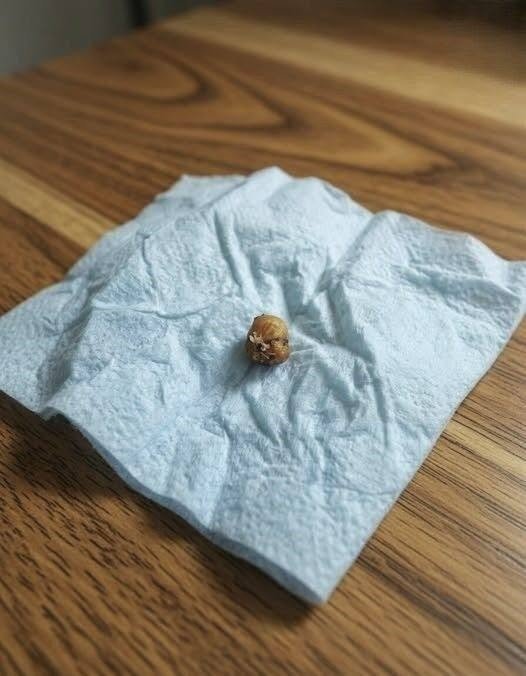

  • Identifying Foreign Hair Objects: Seed Pods, Burrs, and Plant Material

    Identifying Foreign Hair Objects: Seed Pods, Burrs, and Plant Material

    Finding an unexpected, small, rounded object falling out during hair washing can certainly cause a moment of alarm, but the item pictured is almost certainly a plant seed pod, burr, or dried fruit casing. Measuring around 1 cm in size, these small botanical structures feature tiny hooks, coarse fibers, or sticky coatings designed specifically by nature to cling tightly to fur, hair, and clothing fabric for seed dispersal.

    How Botanical Pods Get Trapped in Hair

    • Barbed and Hooked Structures: Seed pods like cockleburs, burdock, or hitchhikers have tiny microscopic hooks or rough husks that entangle easily into individual hair strands, often remaining undetected for hours.
    • Outdoor Exposure: Walking near low-hanging tree branches, tall grass, or brush can easily dislodge seeds onto a person’s head without them noticing.
    • Water Expansion and Dislodging: When washing hair, water and conditioner soften the grip of the fibers and lubricate hair strands, allowing the tangled seed pod to finally slip free and wash out.

    Differentiating Plant Material from Biological Issues

    • Texture and Firmness: Dried seeds and seed pods are firm, woody, or paper-like, unlike soft biological tissue or insect matter.
    • Visual Examination: Under close inspection, botanical debris usually reveals fibrous husks, tiny barbs, or a seam where the pod opens.
    • Scalp Health: If there is no pain, bleeding, or open irritation on the scalp itself, the object was simply caught in the hair rather than coming from the skin.
  • The True History of the Fifth Pocket: The Pocket Watch Holder

    The True History of the Fifth Pocket: The Pocket Watch Holder

    That small extra pocket nested inside the front right pocket of denim jeans was originally designed as a watch pocket. First introduced by Levi Strauss & Co. in 1879 on their iconic waist overalls, the tiny compartment was engineered specifically for cowboys, miners, and manual laborers to hold and protect their pocket watches from scratching or falling out during heavy work.

    Why the Tiny Pocket Persists Today

    • Historical Legacy: Over the decades, the watch pocket became an essential design feature of traditional five-pocket denim. Maintaining it preserves the classic aesthetic pioneered by early American workwear brands.
    • Functional Evolution: While few people carry pocket watches today, consumers have repurposed the space for small modern everyday items, including loose coins, lip balm, key fobs, guitars picks, and wireless earbud cases.
    • Reinforced Durability: The small pocket is anchored with metal rivets at its stress points, keeping true to its original utility design aimed at preventing tears during heavy daily wear.
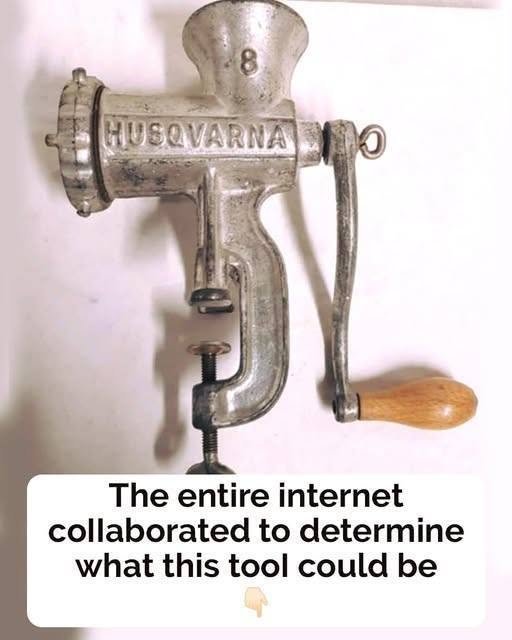
  • Identifying Historical Appliances: The Classic Husqvarna Manual Meat Grinder

    Identifying Historical Appliances: The Classic Husqvarna Manual Meat Grinder

    Despite clickbait captions claiming this kitchen tool is an unidentifiable mystery, the object pictured is a vintage manual cast-iron meat grinder manufactured by the famed Swedish company Husqvarna. Long before Husqvarna became globally recognized for motorcycles, power equipment, and outdoor tools, the company had a major domestic production line manufacturing cast-iron kitchenware, sewing machines, and food preparation tools during the late 19th and early 20th centuries.

    Design Features and Practical Functions

    • Countertop Screw Clamp: The lower C-clamp mechanism allowed home cooks to securely fasten the heavy cast-iron unit onto the edge of a kitchen table or wooden countertop to prevent slipping during heavy manual processing.
    • Internal Feed Screw and Cutter: Food or meat placed into the top hopper was pushed through an internal spiral auger toward a sharp cross-bladed rotary cutter, forcing the ground ingredients out through a perforated metal extrusion plate.
    • Hand-Crank Mechanism: The sturdy wooden-handled crank provided leverage, allowing users to manually process tough cuts of meat, sausage fillings, vegetables, or breadcrumbs without electricity.

    The Evolution of Modern Domestic Appliances

    Examining classic hand-cranked food grinders highlights the incredible durability and engineering efficiency of early domestic appliances. Tools like the Husqvarna No. 8 grinder were built to last generations with minimal maintenance beyond simple cleaning and lubrication. Recognizing these staple culinary heirlooms demystifies sensationalist social media claims, offering a genuine glimpse into early 20th-century kitchen history and functional industrial design.

  • The Symbolism of Doorway Elephants: Cultural Tradition, Feng Shui, and Protection

    The Symbolism of Doorway Elephants: Cultural Tradition, Feng Shui, and Protection

    Placing an elephant statue at the main entryway of a home is a long-standing cultural and spiritual tradition rather than a cause for concern or mystery. Across various ancient philosophies, particularly within Feng Shui practices, Vastu Shastra, and traditional Asian cultures, elephants are celebrated symbols of strength, wisdom, protection, and good fortune. Positioned near a front door, these statues act as symbolic guardians designed to welcome positive energy while shielding the household from negative influences or financial hardship.

    Key Meanings Behind Front Door Elephant Statues

    • Protection and Guardianship: A pair of elephant statues placed outside or just inside the main entrance functions as a protective boundary, warding off unwanted energies and safeguarding the inhabitants of the home.
    • Attracting Prosperity and Luck: In Feng Shui practices, an elephant with its trunk pointed upward signifies the shower of good fortune, wealth, success, and positive vitality into the living space.
    • Promoting Harmony and Wisdom: Elephants represent stability, endurance, and quiet strength, qualities meant to foster peaceful family relationships and grounded decision-making for those living inside.

    Understanding Trunk Direction in Traditional Placement

    Practitioners of traditional home design philosophies often pay close attention to the position of the elephant’s trunk to manifest specific intentions. A trunk curved upward is believed to capture and distribute good luck throughout the entryway, making it the most common choice for home decor. Conversely, an elephant with its trunk pointing downward represents grounded strength, stability, and the ability to absorb and store beneficial energy within the household boundaries.

  • Resolving Residential Lawn Encroachment: Legal Rights, Property Bounds, and Civil Solutions

    Resolving Residential Lawn Encroachment: Legal Rights, Property Bounds, and Civil Solutions

    Dramatic internet stories recounting neighborhood property disputes—such as a homeowner retaliating against a neighbor parking an oversized truck on their front lawn—frequently generate widespread engagement across online forums. The accompanying photograph displays a pickup truck parked directly over deep ruts cut into residential turfgrass, illustrating the physical damage caused by unauthorized vehicular parking on private property. While viral revenge narratives entertain readers online, resolving real-world property encroachments requires legal, civil, and municipal remedies rather than personal retaliation.

    Legal and Practical Steps to Resolve Encroachment

    • Property Line Verification and Documentation: Homeowners encountering unauthorized parking should first confirm exact property boundaries using official land survey maps. Capturing high-resolution photos of vehicle placement, license plates, and ground damage establishes clear evidence for legal or police involvement.
    • Municipal Code Enforcement and Towing Services: Most municipal codes prohibit parking motor vehicles on residential grass lawns or private property without owner consent. Homeowners can contact local parking enforcement or non-emergency police lines to issue traffic citations, or hire licensed towing services to legally impound unauthorized vehicles.
    • Property Landscaping Barriers: Installing decorative property line markers—such as large landscaping boulders, split-rail fencing, raised garden beds, or bollards—creates a physical barrier that permanently prevents unauthorized vehicles from driving onto private grass.

    Long-Term Neighborhood Dispute Resolution

    Navigating boundary disputes effectively protects property values while minimizing personal conflict between neighbors. Seeking formal legal counsel allows property owners to issue cease-and-desist letters or file civil small claims actions to recover costs for lawn restoration and sod repair. Utilizing municipal ordinances, law enforcement mediation, and legal property protections ensures that homeowners resolve turf damage and property trespass systematically while maintaining community safety and personal peace of mind.

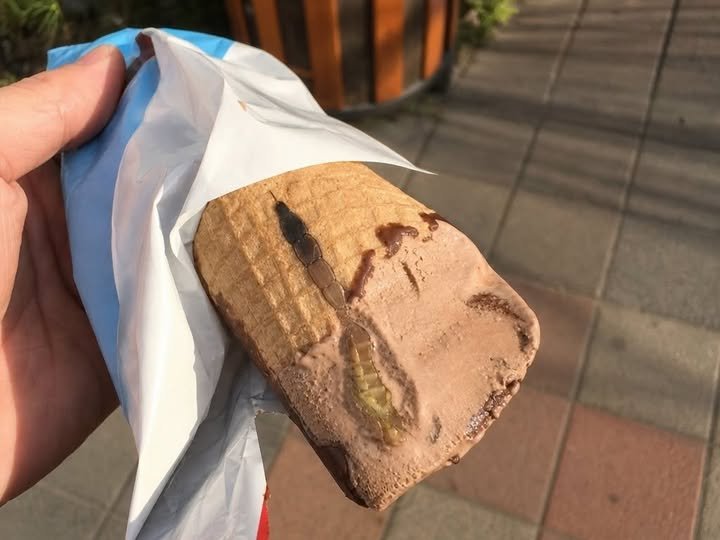
  • Uncovering Foreign Objects in Food: The Embedded Scorpion Ice Cream Viral Photo

    Uncovering Foreign Objects in Food: The Embedded Scorpion Ice Cream Viral Photo

    Viral images showing unusual or shocking foreign objects embedded in packaged food items frequently generate intense social media interest and public concern over food safety. In the image provided, a frozen ice cream bar appears to have a fully intact scorpion embedded directly into the wafer cone and ice cream block. Stories accompanying this photo often present dramatic narratives of unexpected discoveries during everyday snacks, playing into natural anxieties regarding consumer safety and factory sanitation standards.

    Food Safety Protocols and Contamination Prevention

    • Industrial Quality Control: Modern commercial food manufacturing facilities utilize rigorous automated inspections, including high-resolution optical sorters, X-ray scanning machines, and metal detectors, to prevent foreign biological matter from entering production lines.
    • Cold-Chain Processing: Industrial ice cream production involves rapid flash-freezing and automated high-speed wrapping equipment, making the accidental inclusion of a large, intact, external organism rare during standard processing.
    • Incidents vs. Staged Content: While authentic food contamination incidents occasionally occur and trigger immediate product recalls, viral sensation posts sometimes feature staged items or deliberate placement to create sensationalist clickbait for online engagement.

    Consumer Actions During Food Contamination Events

    When consumers encounter legitimate foreign material in commercially packaged food, regulatory agencies advise immediate reporting rather than online circulation alone. Retaining the product packaging, batch numbers, and purchase receipt allows food safety officials and manufacturers to trace the lot number, conduct facility audits, and investigate potential supply chain breaches. Reporting these occurrences to local environmental health departments or national consumer protection agencies ensures that public health standards are upheld and proper consumer remediation takes place.

  • Perspective Illusions in Photography: The “Giant” Eagle Photo Debunked

    Perspective Illusions in Photography: The “Giant” Eagle Photo Debunked

    Viral photo compilations showing a seemingly massive raptor in a suburban lawn—often shared with captions about a “giant eagle” or “monster bird”—frequently ignite online debate. While captions often exaggerate its size to appear supernatural or claim the bird is as large as a vehicle, this image is actually a classic demonstration of forced perspective.

    How the Illusion Works

    • Foreground Elevation: The bird is perched on a elevated crest or embankment immediately outside the photographer’s window. The lawn slopes downward toward the street behind it.
    • Camera Angle and Compression: Taken from inside a home looking out across the elevated slope, the telephoto or zoomed lens compresses the depth of field. This aligns the bird directly against the background street and car, obscuring the physical gap between them.
    • Scale Discrepancy: The bird (likely a juvenile or adult Bald Eagle or vulture species depending on the regional variation of this meme) is standard size—roughly 3 to 3.5 feet tall with a 6 to 7-foot wingspan. Because the brain assumes the bird and the car are on the exact same flat plane, it creates the optical trick that the bird is 6 feet tall or car-sized.

    Identifying Real Species vs. Visual Tricks

    When evaluating extreme wildlife photos shared online, analyzing grounding details—such as grass blade scale relative to the bird’s feet or abrupt drops in ground shadows—reveals forced perspective. Understanding camera compression helps demystify viral nature photos without relying on urban legends or digital manipulation claims.

  • The Science of Tree Whitewashing: Why City Workers Paint Tree Trunks White

    The Science of Tree Whitewashing: Why City Workers Paint Tree Trunks White

    Encountering tree trunks coated in bright white paint along municipal streets, orchards, and public parks often prompts curiosity among residents. Known horticulturally as tree whitewashing or limewashing, this widespread practice is an established agricultural and forestry technique rather than a simple cosmetic choice. Applied by municipal crews and arborists using a mixture of water-based latex paint or slaked lime, whitewashing serves as a critical protective shield against environmental stressors, pest infestations, and bark damage.

    Key Environmental and Agricultural Benefits

    • Prevention of Sunscald and Thermal Cracking: Young or thin-barked trees are highly susceptible to sunscald during seasonal temperature fluctuations. The white paint reflects direct sunlight, preventing the bark from overheating during bright winter days and rapidly cooling at night, which can cause intense thermal expansion and destructive cracking.
    • Protection Against Wood-Boring Pests: Adding whitewash deters wood-boring beetles, aphids, and egg-laying insects from burrowing into bark crevices. The protective coating acts as a physical barrier while filling deep bark fissures where pests typically hibernate.
    • Increased Nighttime Visibility and Boundary Marking: In urban environments, municipal authorities paint trees bordering public roads and walkways to reflect vehicle headlights. This enhances roadside visibility for drivers during nighttime hours while signaling officially managed urban forestry zones.

    Best Practices for Application

    Proper whitewashing requires using non-toxic, breathable coatings to avoid harming delicate plant tissue. Arborists utilize fifty-fifty mixtures of interior water-based latex paint combined with water, ensuring air and moisture exchange across the bark remains unhindered. Oil-based paints or toxic chemical sealants must never be applied, as they suffocate living cambium layers and trap harmful fungi. When performed correctly by municipal teams or home gardeners, limewashing significantly enhances urban tree longevity, reduces maintenance costs, and ensures robust forest health across public ecosystems.

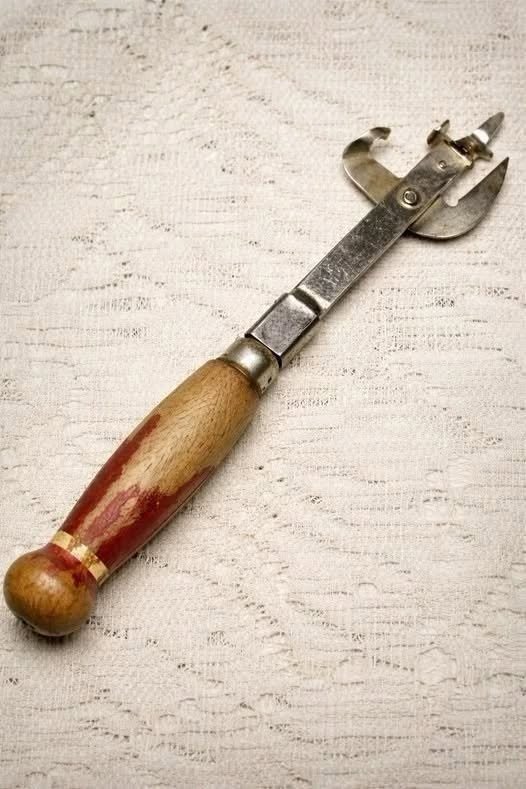
  • Unveiling the Antique Multi-Tool: The Combination Can Opener and Glass Cutter

    Unveiling the Antique Multi-Tool: The Combination Can Opener and Glass Cutter

    While mysterious viral posts often frame vintage implements as unidentifiable relics, the object in the image is a classic early-to-mid 20th-century combination kitchen tool—specifically an antique stab-style can opener with an integrated glass cutter and knife-sharpening notches. Before specialized electrical appliances became standard domestic fixtures, manufacturers produced space-saving multi-tools for households. This particular design features a turned wooden handle paired with a stamped steel assembly designed to execute several essential household utility tasks.

    Functional Breakdown of the Tool’s Features

    • The Primary Stab-Style Can Opener: The curved lower blade and hook serve as a lever-action can opener. Users pierced the top metal edge of a tin can with the pointed tip and worked the curved blade along the rim using manual leverage.
    • Integrated Glass Cutter Wheel: The small, hardened steel wheel mounted near the top point was designed for scoring glass panes. Glaziers and homeowners alike utilized the wheel to mark clean score lines on window glass before snapping it.
    • Bottle Opener and Wire Notches: The secondary hooks situated behind the primary blade served as bottle cap lifters and wire-bending notches for everyday maintenance around the home.

    The Evolution of Household Utility Tools

    Multi-functional implements like this combination opener highlight the clever industrial design of the late 19th and early 20th centuries. Prior to modern mass manufacturing, tools were engineered for durability and versatility, offering rural and urban families all-in-one solutions for kitchen prep and home maintenance. Identifying these historical gadgets provides a fascinating window into past domestic life and celebrates the practical engineering behind classic hand tools.