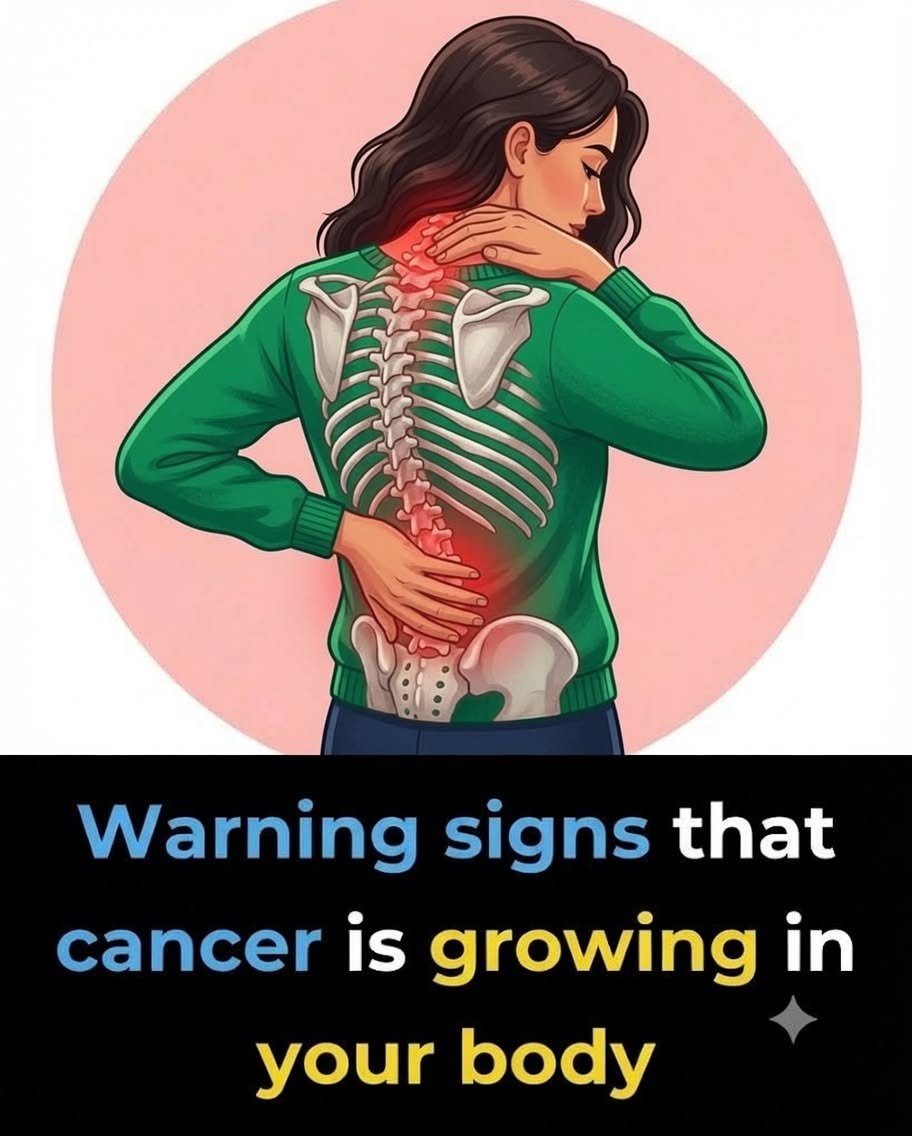
Cancer can develop without obvious symptoms, but certain persistent or unexplained changes in the body deserve medical attention. Eight potential warning signs include an unexplained lump or swelling, unexpected weight loss, unusual bleeding or bruising, a persistent cough or hoarseness, ongoing changes in bowel or bladder habits, a sore that does not heal or a changing mole, persistent unexplained pain, and unusual fatigue that does not improve with adequate rest. The National Cancer Institute and American Cancer Society both list these among possible cancer-related symptoms. For example, blood in the stool or urine, a new lump, a persistent cough, or a skin lesion that changes should not simply be dismissed if the change continues. Importantly, these signs do not mean that someone has cancer; infections, inflammation, benign growths, medications, and many other conditions can cause similar symptoms.
Another important clue is a change from what is normal for you. Persistent indigestion or difficulty swallowing, recurring fever or unexplained night sweats, appetite changes, or unexplained changes in weight can also warrant evaluation. Some symptoms are particularly important depending on where they occur—for example, a new breast lump or nipple change, blood in the urine, or a persistent change in bowel habits may require specific testing. The American Cancer Society emphasizes that symptoms can vary depending on the type and location of cancer, and many cancers cause no symptoms in their earliest stages. That is why recommended cancer screening is important even when you feel healthy. Screening can sometimes identify cancer before symptoms appear.
The most important message is don’t panic, but don’t ignore persistent changes either. If a symptom lasts for several weeks, keeps returning, becomes worse, or is unusual for you, arrange an appointment with a qualified healthcare professional. Seek prompt medical attention for concerning symptoms such as unexplained bleeding, a rapidly changing lump, or significant unexplained weight loss. Doctors may use a physical examination, blood or urine tests, imaging, or other investigations depending on the symptoms; a biopsy may be needed to confirm some cancers. Early evaluation does not mean you have cancer—it simply helps determine the real cause and allows appropriate treatment when necessary. Disclaimer: This article is for general educational and health information only and does not constitute medical diagnosis, treatment, or personalized medical advice. Most of these symptoms are more commonly caused by conditions other than cancer, but persistent or unexplained changes should be evaluated by a qualified healthcare professional. Always verify important health information through reliable medical sources.
Leave a Reply