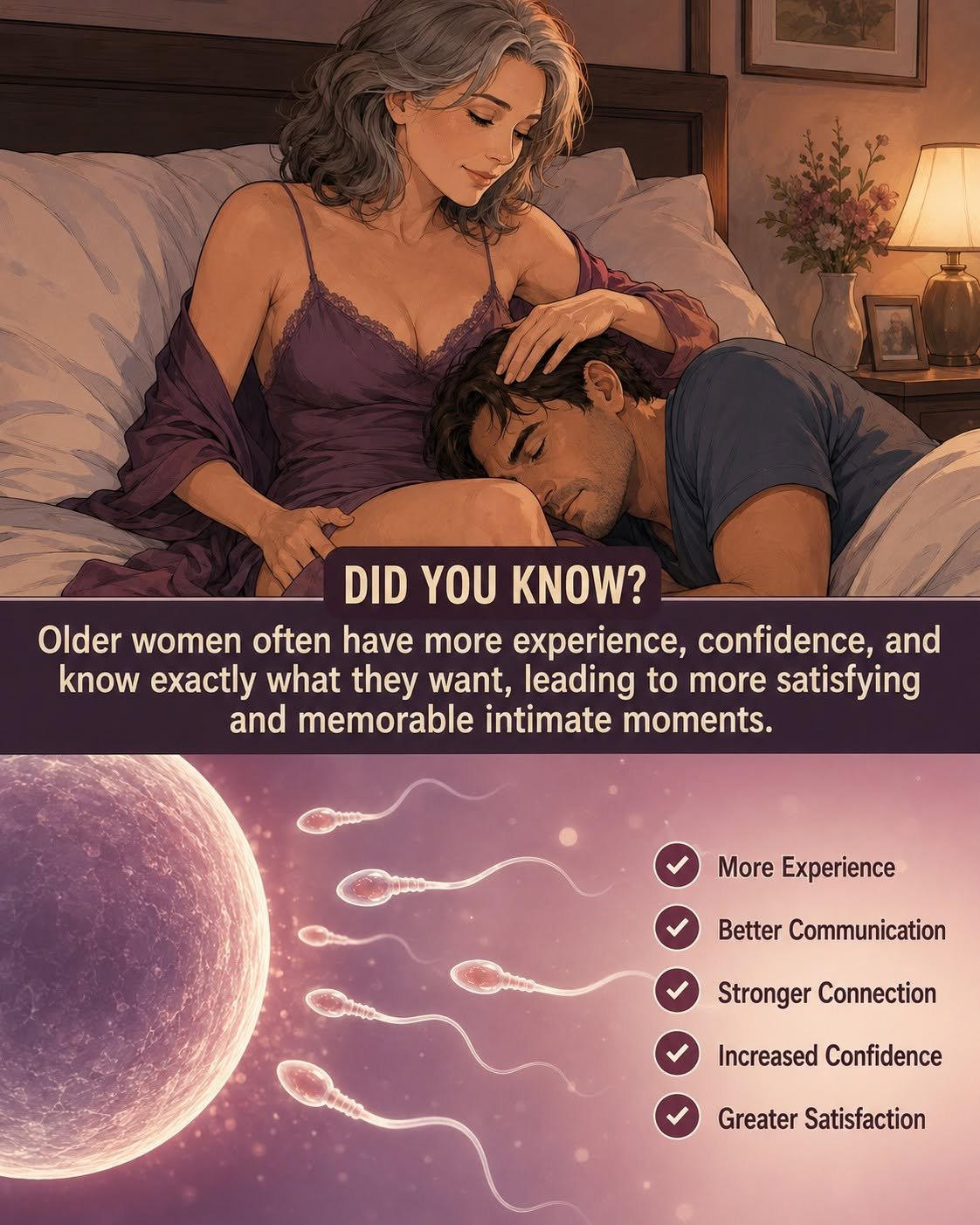
Getting older does not mean that intimacy, affection, or sexual wellbeing have to disappear. In fact, research shows that many older women continue to value intimacy and remain sexually active well into later life. The National Institute on Aging explains that sexuality and intimacy can remain important parts of life as people age, while relationships may benefit from greater communication, emotional closeness, and fewer of the distractions that can affect younger couples. Some couples even report greater satisfaction later in life because they have more confidence discussing their preferences and needs. Rather than assuming that age determines someone’s level of desire or satisfaction, it is more accurate to recognize that sexual wellbeing is highly individual. Emotional connection, physical health, relationship quality, stress, medications, and personal preferences can all influence how someone experiences intimacy.
At the same time, aging can bring physical changes that affect comfort and sexual response. After menopause, lower estrogen levels may contribute to vaginal dryness, thinner vaginal tissues, and discomfort during certain forms of intimacy. These changes are common, but they do not mean that a fulfilling intimate relationship is no longer possible. The American College of Obstetricians and Gynecologists emphasizes that there is no single “right” form of intimacy as people age, and couples can adapt their relationships according to what feels comfortable and meaningful to them. Communication becomes especially valuable: openly discussing comfort, expectations, health changes, and emotional needs can help couples maintain closeness. Persistent pain, significant dryness, or other sexual-health concerns should not simply be accepted as unavoidable consequences of aging because healthcare professionals can often identify appropriate options for managing them.
The biggest takeaway is that age alone does not determine intimacy or relationship satisfaction. Older women can continue to experience affection, closeness, desire, and fulfilling relationships, although the experience may naturally change over time. A 2018 review of women’s sexual health and aging found that many older women continue to consider sex important, while emotional intimacy is also a significant reason for engaging in relationships. Healthy aging therefore includes caring for both physical and emotional wellbeing, maintaining honest communication with a partner, and seeking professional guidance when symptoms interfere with comfort or quality of life. Disclaimer: This article is intended for general educational and informational purposes only and does not constitute medical advice, diagnosis, or treatment. Sexual wellbeing varies greatly between individuals, and some information may be general or unauthenticated. Important health claims should be verified through reliable medical sources, and persistent pain or other concerning symptoms should be discussed with a qualified healthcare professional.
Leave a Reply