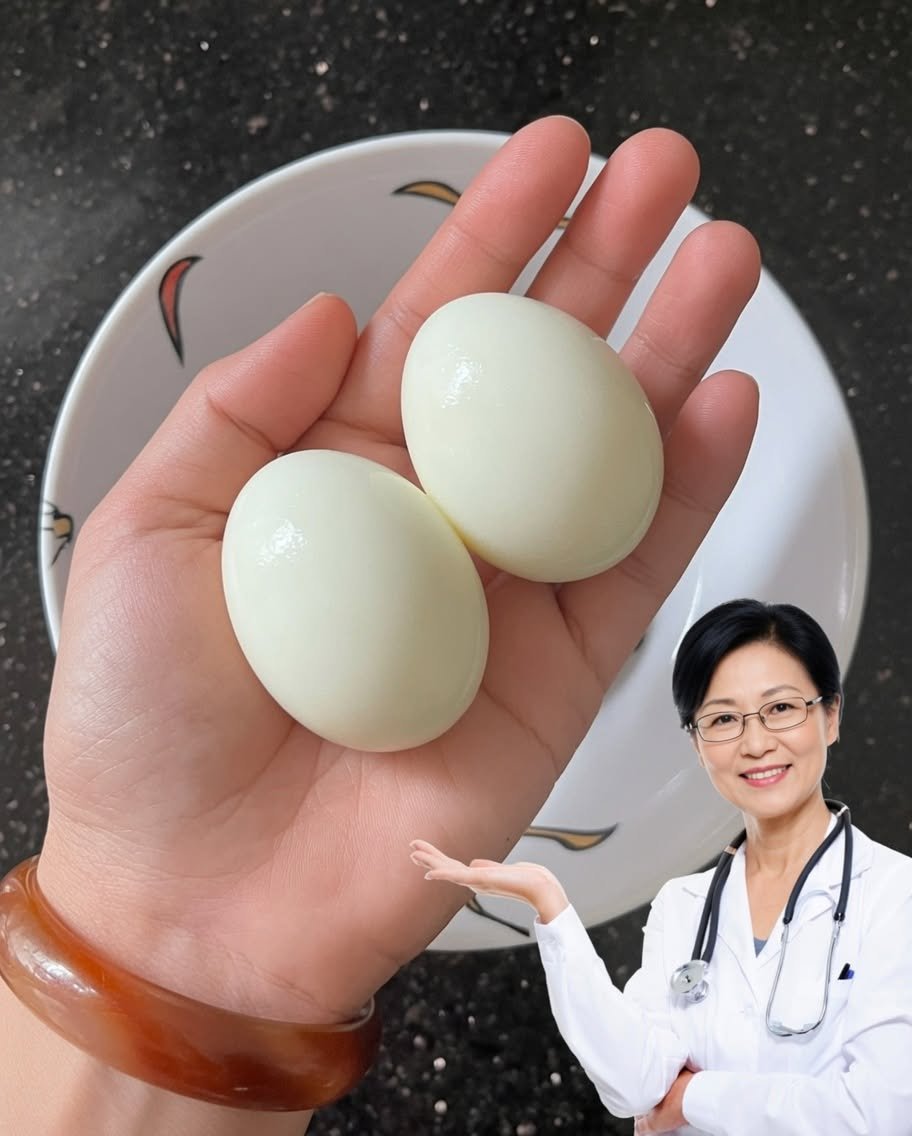
Starting the morning with a boiled egg can be a simple way to add high-quality protein and important micronutrients to your breakfast. One large egg provides roughly 6 grams of protein and contains nutrients including choline, vitamin B12, selenium, riboflavin, and vitamin D. (usda.gov) The first potential benefit is improved satiety: protein-rich foods can help you feel full for longer, which may make it easier to manage overall food intake. Second, eggs provide choline, a nutrient involved in normal brain function, cell structure, and neurotransmitter production. (ods.od.nih.gov) Third, their protein supports the maintenance of muscles and other body tissues. These benefits make boiled eggs a convenient breakfast option, particularly when paired with vegetables, whole grains, or fruit rather than eaten as part of a highly processed meal.
A fourth potential benefit is that eggs can contribute to nutrient intake while remaining relatively low in carbohydrates. This can be useful for people trying to build a balanced breakfast around protein and nutrient-rich foods. The fifth is convenience: boiled eggs can be prepared in advance and combined with other foods for a quick meal, making it easier to maintain a consistent eating routine. However, eggs should not be presented as a miracle food. Their nutritional value is best understood as part of an overall dietary pattern. For cardiovascular health, the American Heart Association emphasizes the importance of the entire diet, particularly the balance between unsaturated and saturated fats, rather than focusing on a single food. (heart.org) How eggs affect blood cholesterol can also vary between individuals, so people with elevated LDL cholesterol or specific cardiovascular conditions may benefit from personalized dietary advice.
For a more balanced breakfast, pair a boiled egg with vegetables, fruit, whole grains, beans, or other minimally processed foods. Boiling is also a straightforward preparation method because it does not require added butter or cooking oil. Food safety matters too: eggs should be cooked until both the whites and yolks are firm, and cooked eggs should be refrigerated promptly rather than left at room temperature for extended periods. (fda.gov) If you have an egg allergy, certain medical conditions, or specific dietary restrictions, your ideal intake may be different. Disclaimer: This article is for general educational and nutritional information only and does not constitute medical advice, diagnosis, or treatment. Eggs can provide valuable nutrients, but eating them does not guarantee better health or prevent disease. Always verify nutrition claims through reliable scientific and medical sources and consult a qualified healthcare professional for personalized dietary guidance.
Leave a Reply