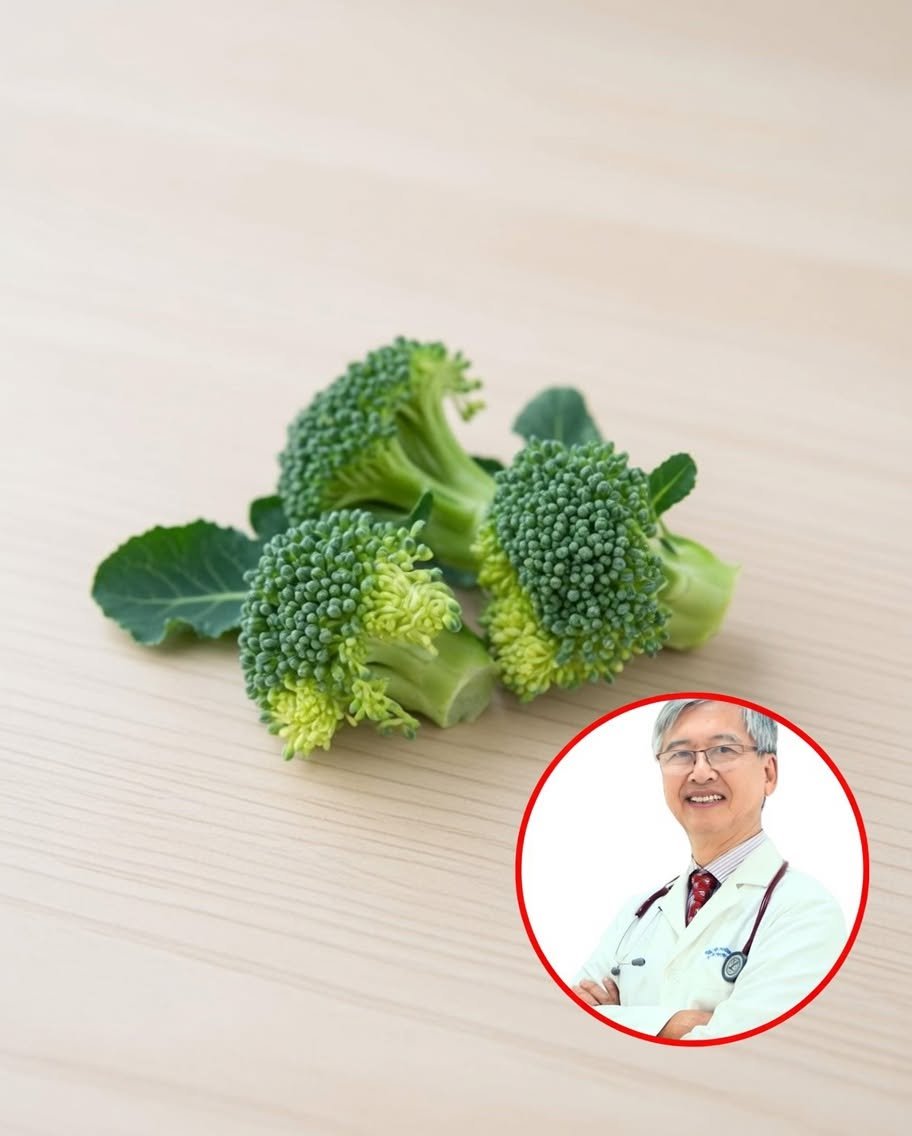
Broccoli is more than just a low-calorie side dish—it is a nutrient-dense cruciferous vegetable that provides fiber, vitamin C, vitamin K, folate, potassium, and a range of naturally occurring plant compounds. One compound that has attracted considerable scientific interest is sulforaphane, which is formed from glucoraphanin found in broccoli and other cruciferous vegetables. Researchers have investigated sulforaphane for its antioxidant, anti-inflammatory, and cellular-protective properties. Regularly including broccoli in a varied diet may therefore support overall nutritional quality, while its fiber content can also contribute to healthy digestion and fullness. The important point is that broccoli should be viewed as part of a balanced dietary pattern rather than as a miracle food capable of treating disease.
Research has also explored possible connections between cruciferous vegetable consumption and cardiovascular and cancer-related outcomes. Large observational analyses have found associations between higher cruciferous-vegetable intake and lower risks of several health outcomes, although the strength of evidence varies and observational studies cannot prove that broccoli itself caused the benefit. Scientists are particularly interested in glucosinolates and their breakdown products because laboratory research suggests they may influence pathways involved in oxidative stress, inflammation, detoxification, and cellular regulation. However, this should not be confused with evidence that eating broccoli can prevent or cure cancer. Human clinical evidence remains more limited, and researchers continue to investigate the appropriate amounts, preparation methods, and long-term effects.
For everyday health, the simplest approach is to include broccoli as one part of a diverse diet alongside leafy greens, carrots, tomatoes, legumes, fruits, whole grains, and other minimally processed foods. Steaming or lightly cooking broccoli can make it easier to eat while preserving much of its nutritional value; excessive cooking may reduce some heat-sensitive nutrients and affect certain beneficial compounds. People taking medications affected by vitamin K intake should discuss major dietary changes with their healthcare professional rather than suddenly changing their broccoli consumption. Overall, broccoli is an excellent addition to a balanced meal, but no single vegetable can guarantee protection against disease or dramatically transform health on its own. Disclaimer: This article is for general educational and informational purposes only and does not constitute medical, nutritional, or treatment advice. Research suggests potential health benefits from broccoli and cruciferous vegetables, but associations do not prove that broccoli prevents or treats specific diseases. Always verify health claims through reliable scientific and medical sources and consult a qualified healthcare professional for personalized dietary guidance
Leave a Reply