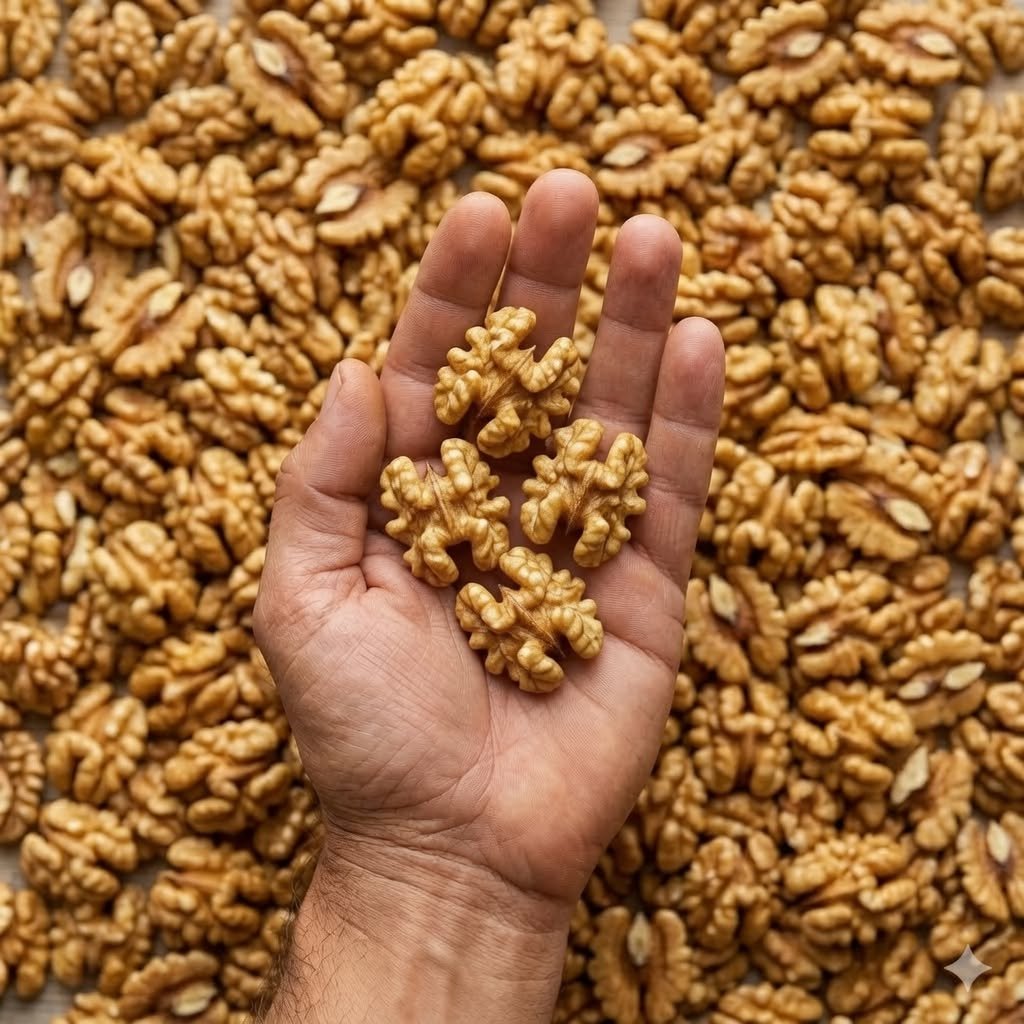
Walnuts may be one of the more valuable additions to a balanced diet because they provide healthy unsaturated fats, plant-based protein, fiber, vitamins, minerals, and alpha-linolenic acid (ALA), a plant-based omega-3 fatty acid. Their nutritional profile has attracted considerable interest from cardiovascular researchers. Studies have found that diets containing walnuts can modestly improve blood lipid profiles, particularly by lowering total and LDL (“bad”) cholesterol. A systematic review of 26 clinical trials involving more than 1,000 participants found that walnut-enriched diets produced small but statistically significant reductions in total cholesterol, LDL cholesterol, and triglycerides. Walnuts are therefore not a miracle food, but replacing less nutritious snacks with a moderate serving of walnuts may be a smart dietary choice.
Research has also examined whether regular walnut consumption could support long-term heart health. In a two-year randomized trial involving healthy older adults, participants who consumed walnuts daily experienced a modest reduction in LDL cholesterol and in the number of LDL particles, including smaller LDL particles associated with cardiovascular risk. Walnuts are particularly interesting because they contain ALA along with other polyunsaturated fats and plant compounds that may contribute to cardiovascular benefits. However, experts emphasize that these effects should be viewed within the context of an overall healthy lifestyle. Eating walnuts does not cancel out a diet high in processed foods, lack of physical activity, smoking, or uncontrolled blood pressure and cholesterol. Similarly, research has not established that walnuts alone can prevent heart attacks, strokes, diabetes, or other diseases.
For most people, a small handful—around 1 ounce (28 grams) of unsalted walnuts can be a practical serving. Harvard Health notes that approximately 14 walnut halves provide about one ounce, while walnuts can easily be added to oatmeal, yogurt, salads, or other nutritious meals. Because walnuts are calorie-dense, eating very large quantities can add substantial calories even though they contain beneficial fats. People with nut allergies should avoid walnuts, and anyone with specific medical or dietary restrictions should ask a healthcare professional whether they are appropriate. The biggest benefit comes from using walnuts in place of less nutritious foods rather than simply adding extra calories to an already adequate diet. Disclaimer: This article is for general educational and informational purposes only and does not constitute medical, nutritional, or treatment advice. Research suggests potential cardiovascular benefits from regular walnut consumption, but no single food can guarantee better health or prevent disease. Always verify health claims through reliable scientific and medical sources and consult a qualified healthcare professional for personalized dietary guidance.
Leave a Reply