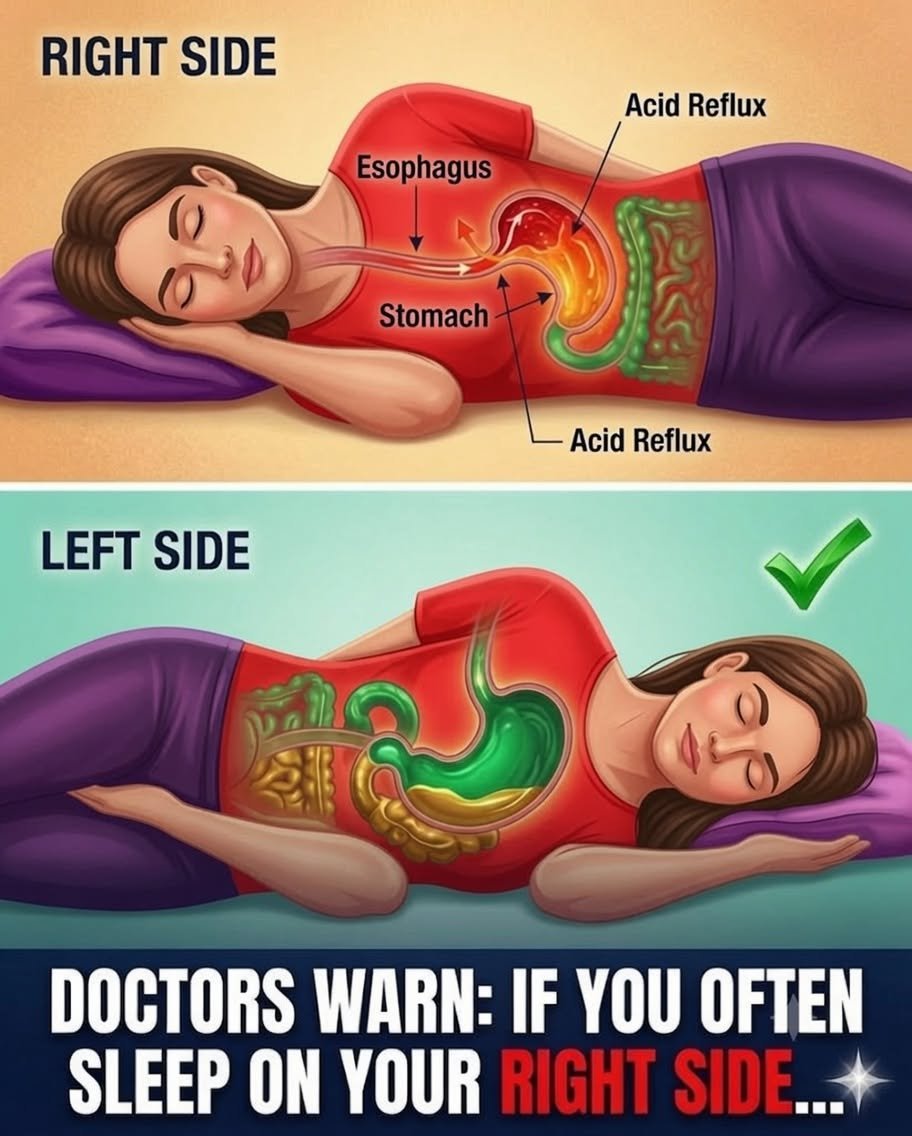
Your preferred sleeping position may seem like nothing more than a personal habit, but it can influence spinal alignment, breathing, acid reflux, and morning aches or stiffness. There is no single position that is perfect for everyone; the best choice generally depends on your health, comfort, mattress, and ability to maintain a neutral spine. Side sleeping is often a good option because it can help keep the airway more open and may reduce snoring and symptoms of positional sleep apnea. For people who experience acid reflux, sleeping on the left side may also reduce the likelihood of stomach contents flowing back into the esophagus.
Back sleeping can provide good spinal alignment and distribute body weight more evenly, which may benefit some people with back or joint discomfort. However, lying flat on the back can make snoring and sleep apnea worse for some people because the tongue and soft tissues can move toward the airway. Stomach sleeping has a different set of drawbacks. Because you generally need to turn your head to breathe, this position can place extra strain on the neck and may contribute to lower-back or shoulder discomfort. People with existing back or neck pain may therefore find side or back sleeping more comfortable. A pillow between the knees can help some side sleepers maintain better hip and spinal alignment, while a pillow beneath the knees may make back sleeping more comfortable.
Rather than forcing yourself into a supposedly “perfect” position, pay attention to how your body feels when you wake up. Repeated neck pain, back stiffness, numbness, frequent headaches, loud snoring, nighttime gasping, or persistent daytime sleepiness may indicate that your sleeping setup or an underlying sleep problem deserves attention. If you regularly experience symptoms of sleep apnea or significant pain, discuss them with a qualified healthcare professional rather than relying solely on changing positions. Ultimately, the healthiest sleeping position is usually the one that allows you to breathe comfortably, maintain reasonable spinal support, and obtain consistent, restorative sleep. Disclaimer: This article is for general educational and informational purposes only and does not constitute medical advice, diagnosis, or treatment. Sleeping-position recommendations can vary according to individual health conditions, pregnancy, pain, and sleep disorders. Always verify health information through reliable medical and scientific sources and consult a qualified healthcare professional for persistent or concerning symptoms.
Leave a Reply