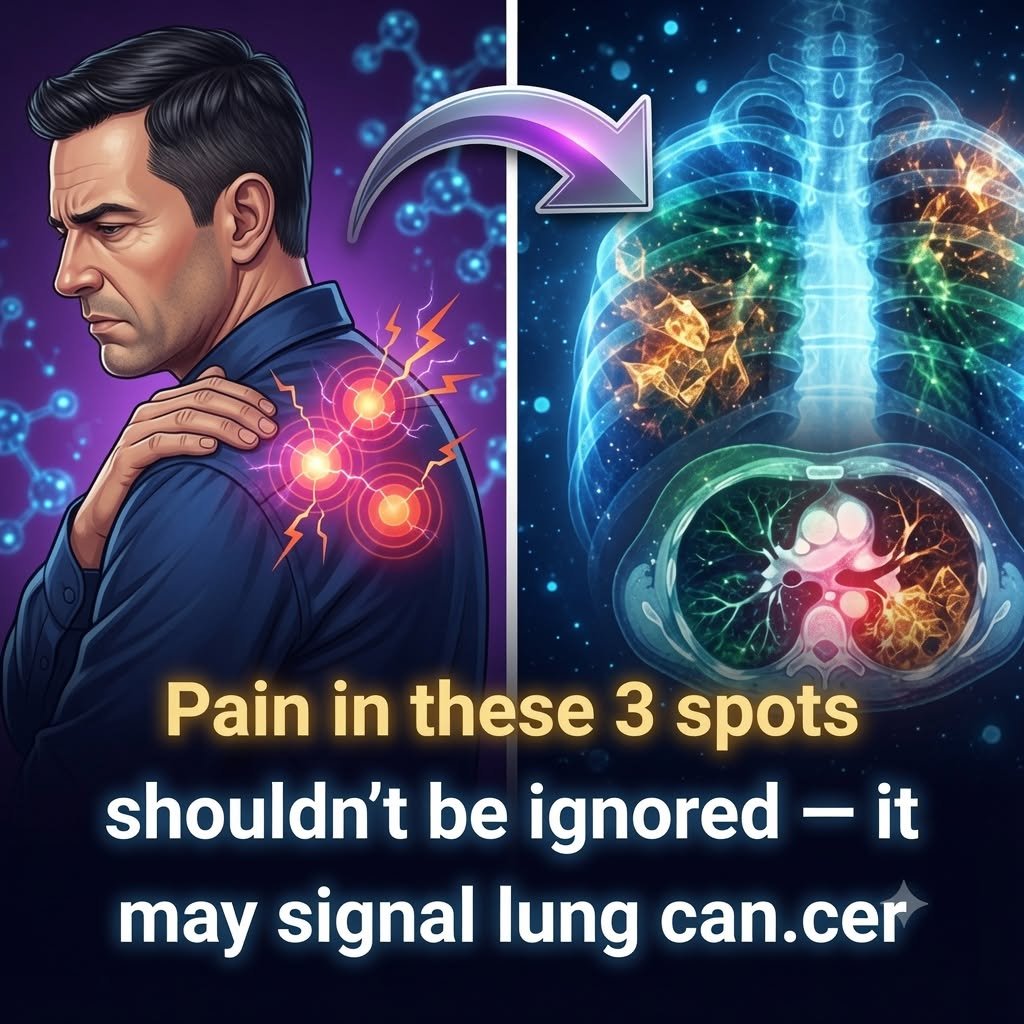
Pain is one of the body’s most important warning signals, but not every ache indicates a serious illness. The first symptom to take seriously is new or unexplained chest pain, particularly pressure, squeezing, tightness, or discomfort that spreads toward the arm, shoulder, back, neck, jaw, or upper abdomen. Chest discomfort accompanied by shortness of breath, sweating, nausea, dizziness, or unusual weakness can occur during a heart attack. Importantly, symptoms are not always dramatic, and some people—particularly women, older adults, and people with diabetes—may experience less typical symptoms. If chest pain is sudden, severe, unexplained, or lasts more than a few minutes, emergency medical evaluation is important rather than assuming it is indigestion or muscle pain.
The second warning pattern is severe or persistent abdominal pain, especially when it is sudden, worsening, or accompanied by fever, repeated vomiting, blood in the stool, abdominal swelling, significant tenderness, or unexplained weight loss. Abdominal pain can result from relatively minor digestive problems, but it can also occur with conditions involving the appendix, gallbladder, pancreas, kidneys, intestines, or blood vessels. The third is a sudden, severe, or unusual headache, particularly when it appears abruptly or occurs alongside neurological changes such as weakness, difficulty speaking, confusion, vision problems, fainting, or loss of coordination. While many headaches are harmless, sudden neurological symptoms require urgent assessment because they can occur with serious conditions such as stroke. The key is not simply how painful something feels, but whether the pain is new, unusual, persistent, worsening, or accompanied by other concerning symptoms.
Remember that pain alone cannot diagnose an underlying disease. Chest pain can come from muscles, reflux, anxiety, or lung conditions; abdominal pain can have numerous digestive and non-digestive causes; and headaches may result from dehydration, tension, migraine, infection, or many other conditions. What matters is recognizing unusual patterns and seeking appropriate medical evaluation instead of relying on online symptom lists. If pain is severe, sudden, unexplained, or accompanied by breathing difficulty, fainting, significant bleeding, weakness, confusion, or other emergency symptoms, seek urgent medical help. Disclaimer: This article is for general educational and informational purposes only and does not constitute medical advice, diagnosis, or treatment. These symptoms can have many different causes and do not automatically indicate a serious illness. Always verify health information through reliable medical and scientific sources and consult a qualified healthcare professional about persistent, severe, sudden, or unexplained pain.
Leave a Reply