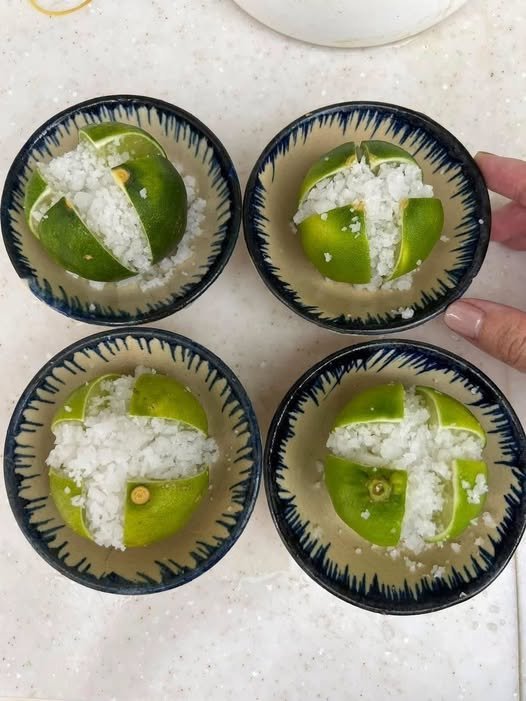
Lemon and salt are two inexpensive kitchen staples that have become popular in natural home cleaning and freshening routines. Lemon juice contains citric acid, which can help loosen certain mineral deposits and grease, while salt provides gentle abrasion that can help lift residue from suitable surfaces. Together, they can be useful for scrubbing stained cutting boards, removing light grease from some surfaces, polishing certain compatible metal items, refreshing sinks, and helping tackle stubborn household grime. (marthastewart.com) Another popular use involves rubbing half a lemon covered with salt over appropriate kitchen surfaces to provide both acidity and mild scrubbing action. Lemon can also be used separately to freshen a microwave or reduce unpleasant kitchen odors. (goodhousekeeping.com) These methods can be attractive to people looking for affordable household solutions, although they should be viewed as light cleaning techniques rather than replacements for professional disinfectants when proper sanitization is required.
The lemon-and-salt room trick is another popular household idea. People commonly place lemon slices or a cut lemon with salt in a bowl or dish and leave it in a room because they enjoy the fresh citrus aroma and believe it may help with unpleasant smells. Lemon’s fragrance can certainly make a room feel fresher, but claims that this simple setup dramatically purifies indoor air, removes toxins, or eliminates harmful microorganisms should not be treated as established facts. A pleasant scent is not the same thing as genuine air purification. Consumer Reports notes that lemons can be useful for deodorizing certain areas, including garbage disposals, but natural lemon-based methods have limitations. (consumerreports.org) If your goal is better indoor air quality, ventilation, appropriate filtration, and controlling the source of odors are more dependable strategies than relying solely on a bowl of lemon and salt.
There are also important cleaning safety precautions. Lemon’s acidity means it should not automatically be used on every household material. Natural stone such as marble and granite, delicate finishes, some metals, hardwood, electronics, and certain fabrics can be damaged or discolored by acidic lemon juice. (consumerreports.org) Most importantly, never mix lemon juice or other acidic substances with chlorine bleach because the combination can release dangerous chlorine gas. (southernliving.com) For everyday household cleaning, test any homemade mixture on a small, inconspicuous area first and use a product specifically designed for delicate materials when necessary. Disclaimer: This article is for general educational and informational purposes only and does not constitute professional cleaning, safety, or health advice. Some popular lemon-and-salt claims may be general, anecdotal, or unauthenticated, so important information should be verified through reliable sources. Always follow manufacturer instructions for surfaces, cleaning products, and household appliances, and never combine acidic ingredients with bleach or other incompatible chemicals.
Leave a Reply