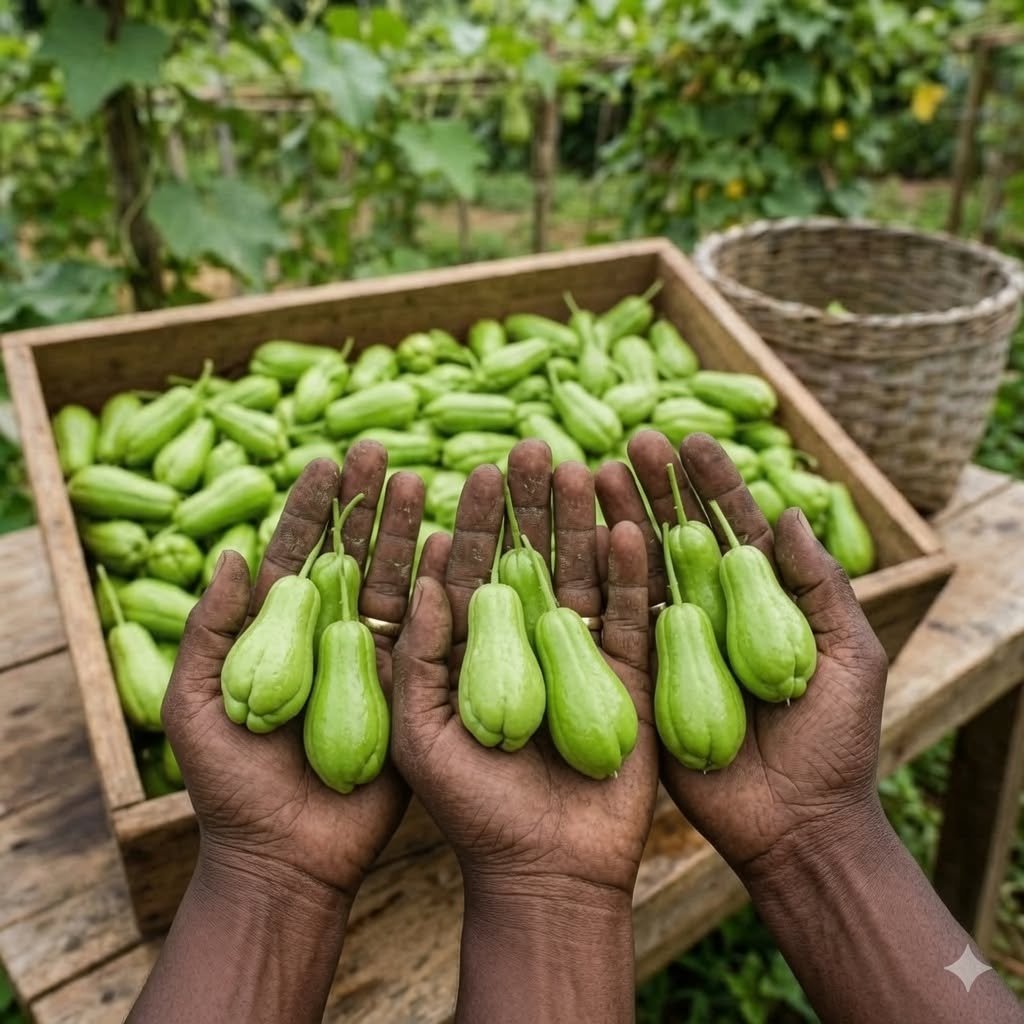
Chayote, also known as Sechium edule, is an underrated vegetable that deserves more attention for its nutritional profile. It is naturally low in calories and fat while providing dietary fiber, vitamin C, folate, potassium, magnesium, and other micronutrients. Scientific reviews describe chayote as a source of vitamins, minerals, complex carbohydrates, phenolic compounds, flavonoids, and other bioactive substances. Its relatively mild flavor also makes it easy to incorporate into soups, salads, stews, and cooked vegetable dishes. Because fiber can contribute to digestive health and help promote fullness, chayote can be a useful choice for people building a nutrient-dense eating pattern. However, calling it “the healthiest vegetable” would go beyond the evidence. There is no single vegetable that provides every nutrient the body needs, and the strongest nutritional strategy is to consume a wide variety of colorful vegetables rather than relying on one food.
Researchers have also become interested in chayote because it contains naturally occurring antioxidant and bioactive compounds. Laboratory and early human research has explored potential effects involving blood glucose, blood pressure, oxidative stress, inflammation, and lipid metabolism. One study involving older adults with metabolic syndrome investigated a concentrated chayote preparation and reported improvements in some oxidative-stress and inflammatory markers after six months. However, this type of study should not be interpreted as proof that ordinary chayote consumption can prevent or treat diabetes, high blood pressure, cancer, or cardiovascular disease. A major scientific review also emphasizes that although chayote has promising nutritional and biofunctional properties, human research remains limited, particularly for proving specific therapeutic effects. This distinction is important because promising laboratory findings do not automatically translate into proven medical benefits in people.
The practical takeaway is that chayote can certainly earn a place in a balanced, heart-conscious and nutrient-rich diet, but it should be viewed as one useful vegetable among many. Eating it alongside leafy greens, tomatoes, carrots, broccoli, legumes, whole grains, and other minimally processed foods provides a broader range of nutrients and beneficial plant compounds. Cooking methods also matter: steaming, boiling, or lightly sautéing can be preferable to preparations loaded with excessive salt or unhealthy fats. Research continues to investigate chayote’s nutritional and potential health-promoting properties, so future clinical studies may provide clearer answers about its long-term benefits. Disclaimer: This article is for general educational and informational purposes only and does not constitute medical, nutritional, or treatment advice. Research on chayote is promising but does not prove that it is the “healthiest” vegetable or that it can prevent or treat specific diseases. Always verify health claims through reliable scientific and medical sources and consult a qualified healthcare professional for personalized dietary guidance.
Leave a Reply