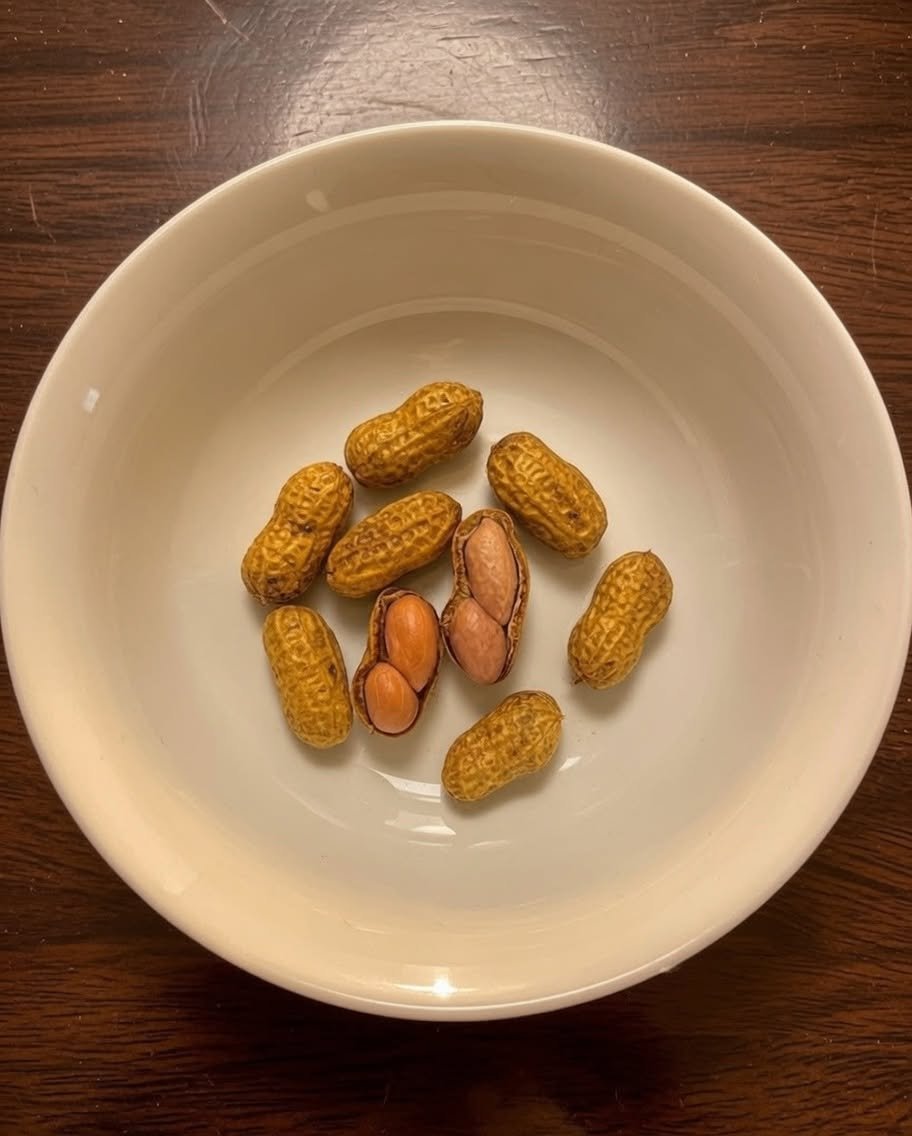
Peanuts can be a nutritious snack when eaten in reasonable portions. They provide plant-based protein, fiber, vitamin E, and predominantly unsaturated fats, which can support a balanced eating pattern. Nuts and seeds can also help with fullness because they combine protein, fat, and fiber. However, “healthy” does not mean unlimited. Peanuts are energy-dense, so eating large amounts can significantly increase your daily calorie intake. Salted or heavily flavored varieties may also contain substantial sodium, which is worth considering if you are trying to manage blood pressure. A practical approach is to enjoy a modest portion rather than repeatedly eating directly from a large packet, where it is easy to consume much more than intended. Peanut butter can also be nutritious, but checking the label for added sugar, sodium, and portion size is important.
Eating excessive amounts may also cause digestive discomfort in some people. Because peanuts contain fiber and fat, suddenly consuming a large quantity may contribute to bloating, gas, or stomach discomfort, particularly if your digestive system is not accustomed to a high-fiber intake. Another important consideration is allergy. Peanut allergy can cause serious reactions in susceptible individuals, including swelling, hives, breathing difficulties, vomiting, or a dangerous drop in blood pressure. People with a known peanut allergy should avoid peanuts according to their healthcare professional’s guidance rather than experimenting with small amounts. For people with kidney disease, portion size may also require individual consideration because peanuts contain potassium and phosphorus. The National Kidney Foundation reports that a quarter-cup serving contains approximately 232 mg of potassium and 133 mg of phosphorus, while dietary requirements vary according to kidney function, laboratory results, and treatment.
The healthiest strategy is therefore moderation and variety. Choose unsalted or lightly salted peanuts when possible, pay attention to serving sizes, and include other nutritious foods such as vegetables, fruits, whole grains, legumes, and appropriate protein sources throughout the day. Peanuts do not need to be feared, and there is no evidence that simply eating them in normal portions causes a mysterious buildup of toxins or automatically damages healthy kidneys. In fact, nuts and seeds can be part of a nutritious dietary pattern. The concern is primarily excessive portions, added sodium or sugar, allergies, and individual medical requirements. If peanuts consistently cause digestive symptoms, allergic reactions, or other unusual problems, seek advice from a qualified healthcare professional. Disclaimer: This article is for general educational and informational purposes only and does not constitute medical, nutritional, or treatment advice. Individual responses to peanuts vary, and the information above should not be used to diagnose or treat a condition. Always verify health claims through reliable medical and scientific sources and consult a qualified healthcare professional for personalized dietary guidance.
Leave a Reply