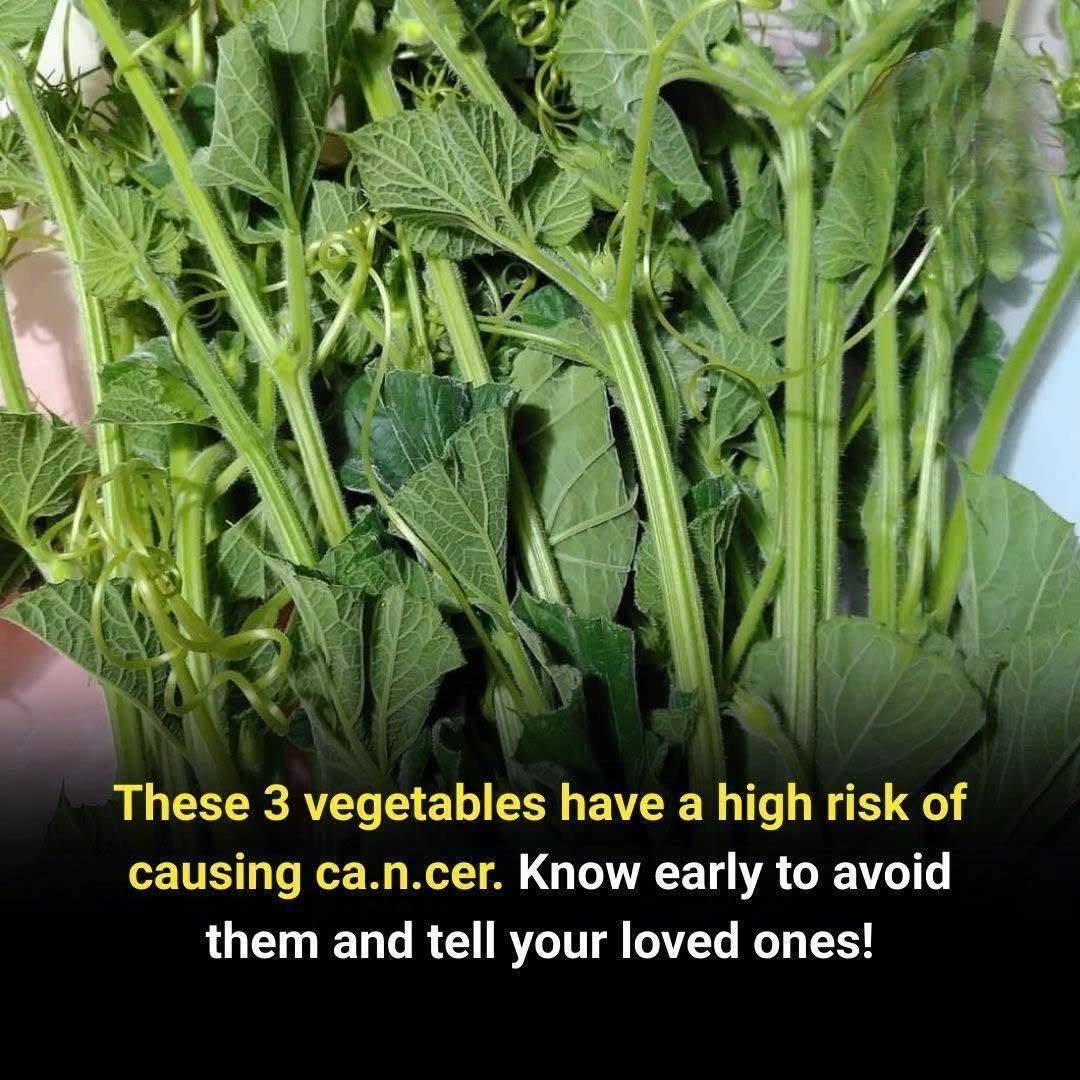
Viral health headlines sometimes claim that certain vegetables can “raise cancer risk,” but the scientific evidence is much more nuanced. Vegetables as a food group are generally associated with better health, and major cancer organizations recommend making vegetables, fruits, whole grains, and legumes an important part of the daily diet. However, three vegetables commonly discussed in these claims—potatoes, spinach, and other nitrate-rich leafy or root vegetables—deserve context rather than fear. Potatoes can produce acrylamide when they are cooked at very high temperatures, particularly when fried or heavily browned. Laboratory research has raised concerns about acrylamide, but the National Cancer Institute notes that human studies have not consistently shown that dietary acrylamide increases cancer risk. Similarly, spinach and other leafy vegetables naturally contain nitrates. Nitrates can participate in chemical reactions that form N-nitroso compounds, some of which are carcinogenic, but vegetables also contain vitamin C and other compounds that can inhibit this process.
The bigger issue is often how a vegetable is prepared rather than the vegetable itself. Potatoes that are deeply fried, heavily browned, or repeatedly cooked at high temperatures can contain more acrylamide than potatoes prepared with gentler cooking methods. This is one reason baked, boiled, or lightly cooked potatoes can be a better everyday choice than frequently consuming fries or heavily browned potato products. With leafy vegetables, naturally occurring nitrates should not be confused with the nitrites and preservatives found in some processed meats, which have a different dietary context. In fact, the National Cancer Institute explains that vegetables are major dietary sources of nitrates, but also provide compounds that may counteract the formation of potentially harmful N-nitroso compounds. Research on cruciferous vegetables such as broccoli, cabbage, cauliflower, and kale is even more interesting: their glucosinolates produce compounds such as sulforaphane that have shown potentially protective effects in laboratory and animal studies, although human research remains mixed.
So, should families stop eating these vegetables? Absolutely not based on this evidence. The stronger nutritional message is to eat a variety of vegetables and focus on preparation methods and the overall dietary pattern. The World Cancer Research Fund recommends a diet rich in whole grains, vegetables, fruit, and legumes, with a variety of plant foods providing fiber and other beneficial nutrients. Instead of eliminating potatoes, leafy greens, or cruciferous vegetables because of alarming social-media headlines, limit heavily fried and excessively browned foods and include plenty of minimally processed plant foods in your meals. No individual vegetable should be labeled a cancer-causing food based solely on laboratory findings or isolated chemical concerns. Disclaimer: This article is for general educational and informational purposes only and does not constitute medical or nutritional advice. Current research does not establish that these vegetables, when normally consumed as part of a balanced diet, cause cancer. Always verify cancer-related claims through reliable scientific and medical sources and consult a qualified healthcare professional for personalized dietary guidance.
Leave a Reply