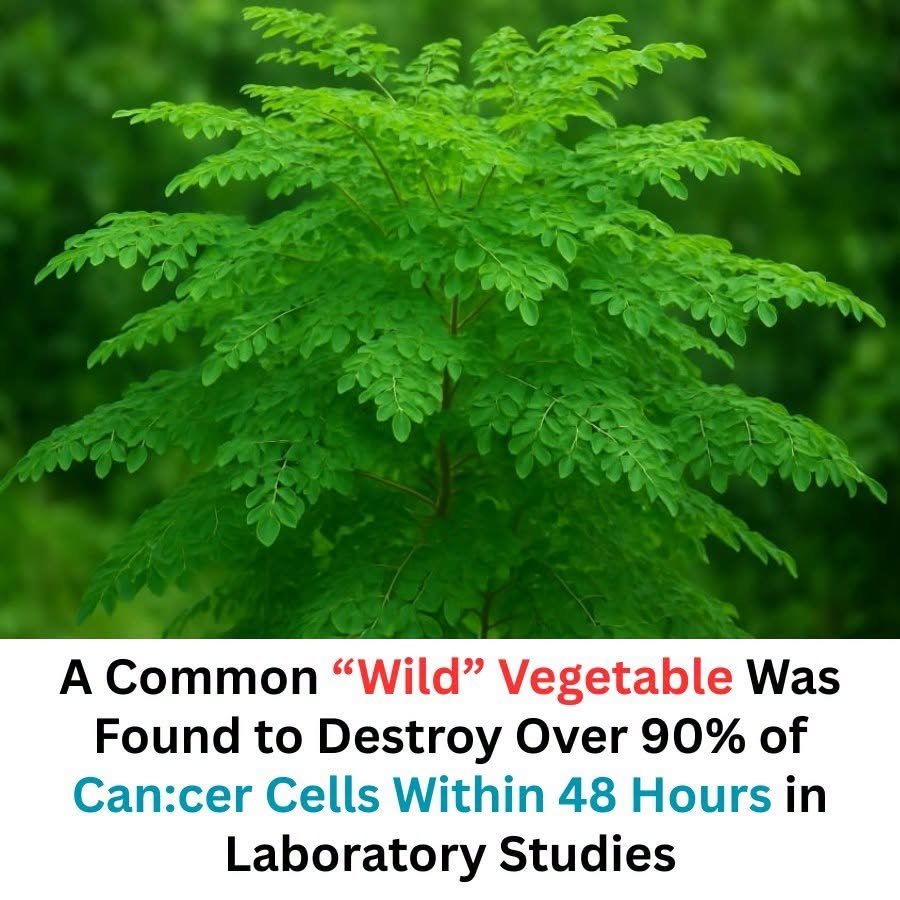
A headline claiming that a wild vegetable “destroyed over 90% of cancer cells in 48 hours” sounds remarkable, but the phrase “in laboratory studies” is crucial. Researchers have investigated numerous vegetables and their plant compounds for potential anticancer effects, including cruciferous vegetables such as broccoli, cabbage, kale, and related wild greens. Laboratory experiments have shown that certain vegetable extracts or isolated compounds can inhibit the growth or viability of cancer cell lines under controlled conditions. One study examining 24 Korean wild vegetables found that extracts from several plants inhibited the growth of certain cancer cell lines by more than 80%, with some extracts producing inhibition above 95% under specific experimental conditions. (pubmed.ncbi.nlm.nih.gov) However, this does not mean eating the vegetable will destroy cancer cells inside a human body. Laboratory concentrations can be substantially different from the amounts achievable through normal food consumption, and cancer cells growing in a dish behave differently from tumors within a living person.
One group of vegetables receiving significant scientific attention is cruciferous vegetables, which includes broccoli, cabbage, kale, Brussels sprouts, and related plants. These foods contain glucosinolates and other compounds that can produce biologically active substances such as sulforaphane. Research has found that sulforaphane can affect pathways involved in cell growth, apoptosis, oxidative stress, and other biological processes in experimental cancer models. (aacrjournals.org) Some laboratory studies have reported substantial reductions in cancer-cell viability after exposure to sulforaphane or vegetable extracts over periods such as 24–48 hours. (pubmed.ncbi.nlm.nih.gov) Yet these findings are best understood as early-stage research, not proof of a cancer treatment. Human studies have investigated how compounds such as sulforaphane are absorbed and metabolized, but showing that a compound reaches the bloodstream is very different from demonstrating that eating a vegetable cures or eliminates cancer. (pmc.ncbi.nlm.nih.gov)
The most responsible takeaway is that eating a variety of vegetables can contribute to a nutrient-rich, health-supportive diet, but no wild vegetable should be promoted as a replacement for established cancer treatment. If someone has cancer, they should follow the treatment plan recommended by their oncology team rather than attempting to treat the disease with vegetables, supplements, or online remedies. Research into plant compounds remains valuable because it can help scientists discover potential therapeutic targets and develop future treatments, but promising laboratory findings must be confirmed through carefully designed animal and human studies. The “90% in 48 hours” claim therefore needs to be understood in its proper context: it may describe a particular extract, concentration, cancer cell line, and laboratory experiment—not what happens when a person eats the vegetable. Disclaimer: This article is for general educational and informational purposes only and does not constitute medical advice, diagnosis, or cancer treatment. Laboratory findings cannot be assumed to produce the same effects in humans. Always verify cancer-related claims through reliable scientific and medical sources and consult a qualified healthcare professional before making decisions about cancer treatment.
Leave a Reply