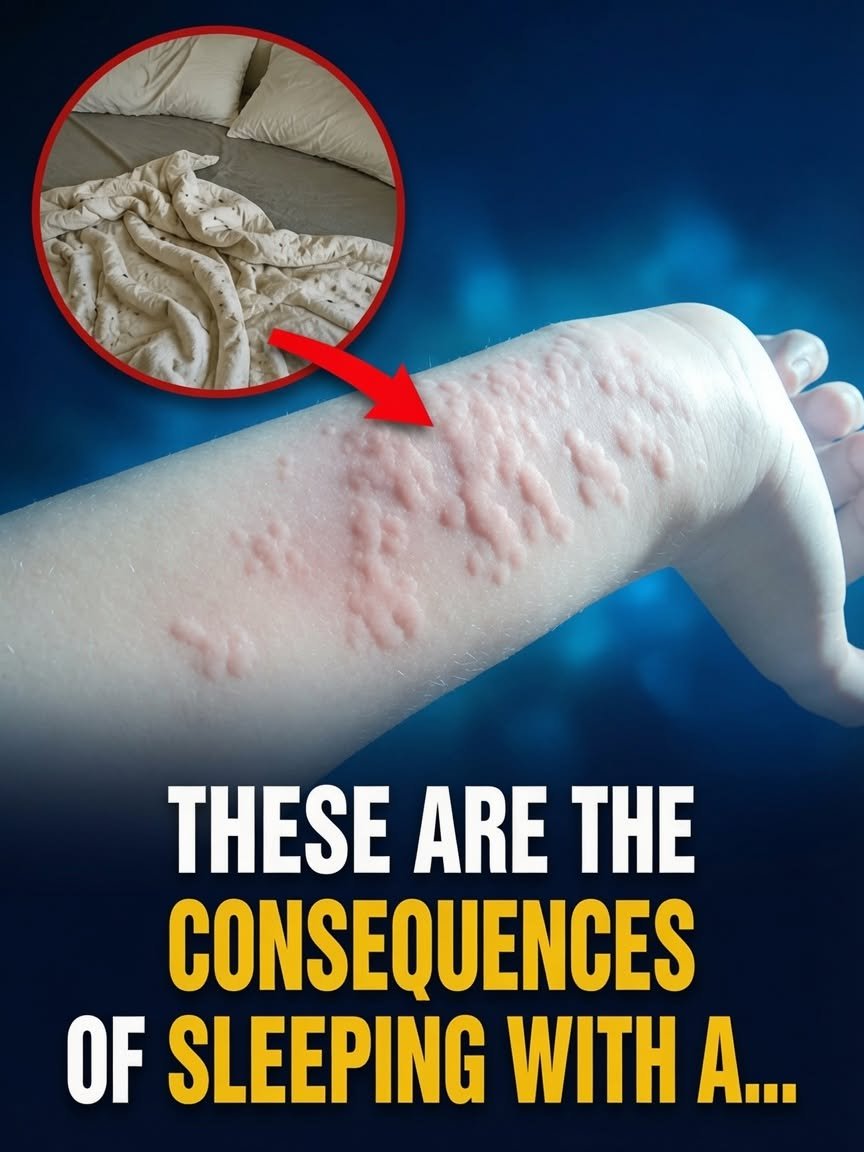
One common habit that can affect your health is sleeping with wet hair. Going to bed with damp hair occasionally is unlikely to cause a serious problem, but making it a regular habit may increase hair breakage because wet hair is more fragile and more vulnerable to friction against a pillow. Cleveland Clinic dermatologists explain that wet strands can stretch, snap, and break more easily, particularly when there is repeated friction during sleep. (clevelandclinic.org) A consistently damp scalp may also create a warm, moist environment that encourages the growth of microorganisms and may contribute to problems such as dandruff or scalp irritation in some people. (clevelandclinic.org)
The effects can become more noticeable when someone sleeps with wet hair tied tightly in a bun, braid, or ponytail. Because wet strands are weaker, additional tension can increase the likelihood of breakage and split ends. (healthcare.utah.edu) A better nighttime routine is to allow your hair to dry naturally before bed whenever possible. If you need to dry it quickly, using a hair dryer on a cool or low-heat setting can reduce the amount of time your scalp and hair remain damp. It is also sensible to avoid aggressive brushing or tight hairstyles while the hair is wet. Importantly, sleeping with wet hair does not mean you will automatically catch a cold or develop an infection; the main concerns are hair fragility and, in some circumstances, scalp moisture and irritation rather than the common myth that wet hair itself causes illness.
Another nighttime habit that deserves attention is sleeping while wearing contact lenses. Unlike sleeping with wet hair, this can carry a much more significant health risk. The CDC reports that sleeping in contact lenses increases the risk of contact-lens-related eye infections, and serious infections can potentially damage vision. (cdc.gov) Contact-lens users should follow their eye-care professional’s instructions and remove lenses before sleeping unless specifically instructed otherwise. If you develop eye pain, redness, unusual discharge, light sensitivity, or blurred vision after sleeping in lenses, remove them and seek prompt eye-care advice. (cdc.gov) Disclaimer: This article is for general educational and informational purposes only and does not constitute medical advice, diagnosis, or treatment. Individual responses can vary, and health claims should be verified through reliable medical and scientific sources. Consult a qualified healthcare professional for persistent or concerning symptoms.
Leave a Reply