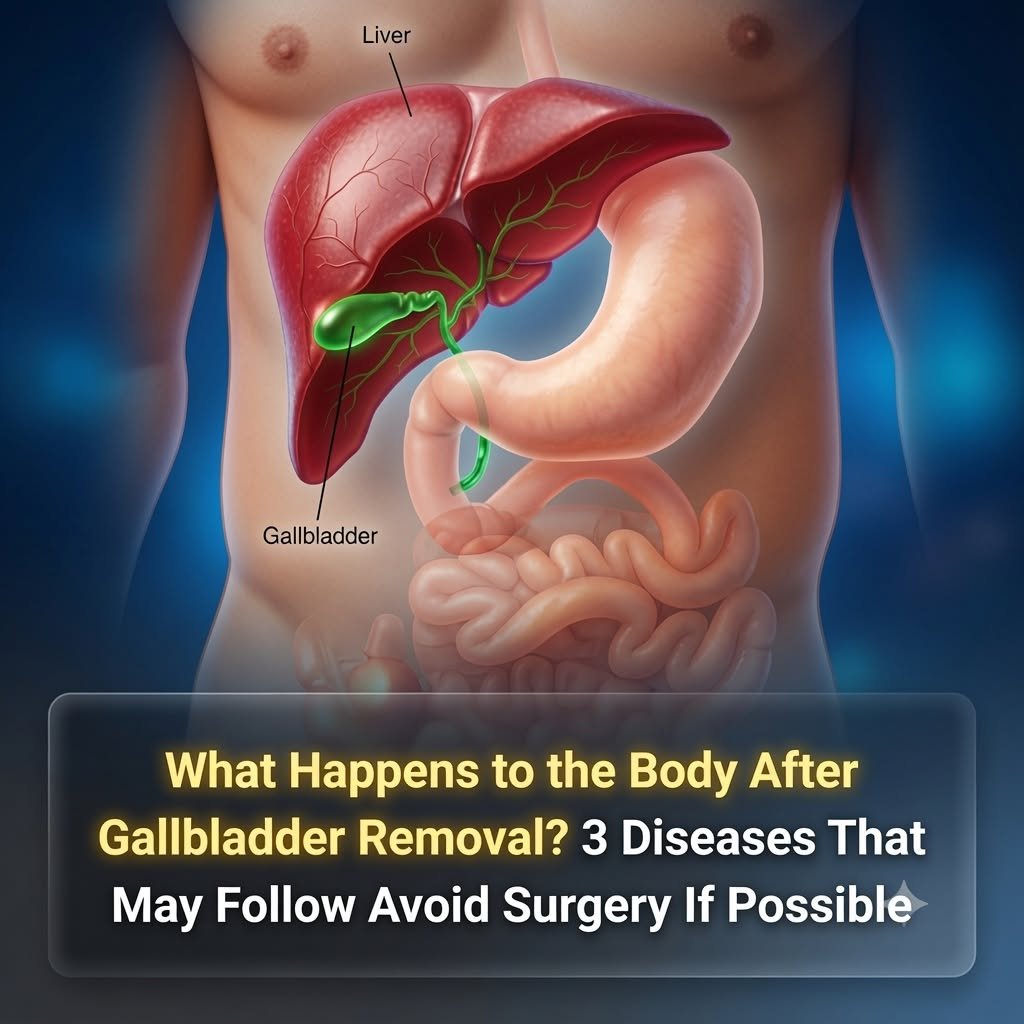
Gallbladder removal, medically known as a cholecystectomy, is a common operation usually performed when gallstones cause repeated pain, inflammation, blockage, or other complications. The gallbladder stores bile produced by the liver, but it is not an essential organ. After removal, bile continues to be produced by the liver and flows directly into the small intestine rather than being stored in the gallbladder. This means most people can continue to digest food normally and eventually return to a regular, balanced diet. Most operations are performed using minimally invasive keyhole surgery, and many patients can return home the same day. Recovery varies, but people often return to work within about one to two weeks, depending on the type of surgery and their occupation. During the first few days, small meals may feel easier, while gentle movement and gradually increasing activity can support recovery.
Digestive changes are possible after surgery, although many people experience few long-term problems. Because bile flows into the intestine more continuously, some people temporarily develop softer or more frequent stools, diarrhea, bloating, indigestion, or abdominal discomfort. Fatty foods may be harder for some individuals to tolerate during the early recovery period, so eating smaller portions and gradually reintroducing richer foods can be helpful. However, there is generally no requirement for a permanent special diet after gallbladder removal. Most people eventually return to normal eating patterns. It is still sensible to emphasize vegetables, fruits, whole grains, appropriate protein sources, and moderate amounts of healthy fats as part of an overall nutritious diet. If diarrhea, persistent pain, nausea, or indigestion continues rather than improving, medical evaluation is appropriate because these symptoms can sometimes be related to post-cholecystectomy problems or another digestive condition.
Although gallbladder surgery is generally considered safe, potential complications can occur, including infection, bleeding, blood clots, injury to nearby organs or bile ducts, bile leakage, or stones remaining in the bile ducts. These complications are uncommon, but recognizing warning signs is important. Severe or worsening abdominal pain, persistent vomiting, fever or chills, pus or increasing redness around the surgical wound, or yellowing of the skin or eyes should prompt medical attention. Most importantly, gallbladder removal does not mean a person must live with digestive problems permanently; many patients recover well and return to their normal routines. Disclaimer: This article is for general educational and informational purposes only and does not constitute medical advice, diagnosis, or treatment. Recovery and digestive responses vary between individuals, and complications require professional assessment. Always verify health information through reliable medical sources and consult your surgeon or qualified healthcare professional for personalized guidance.
Leave a Reply