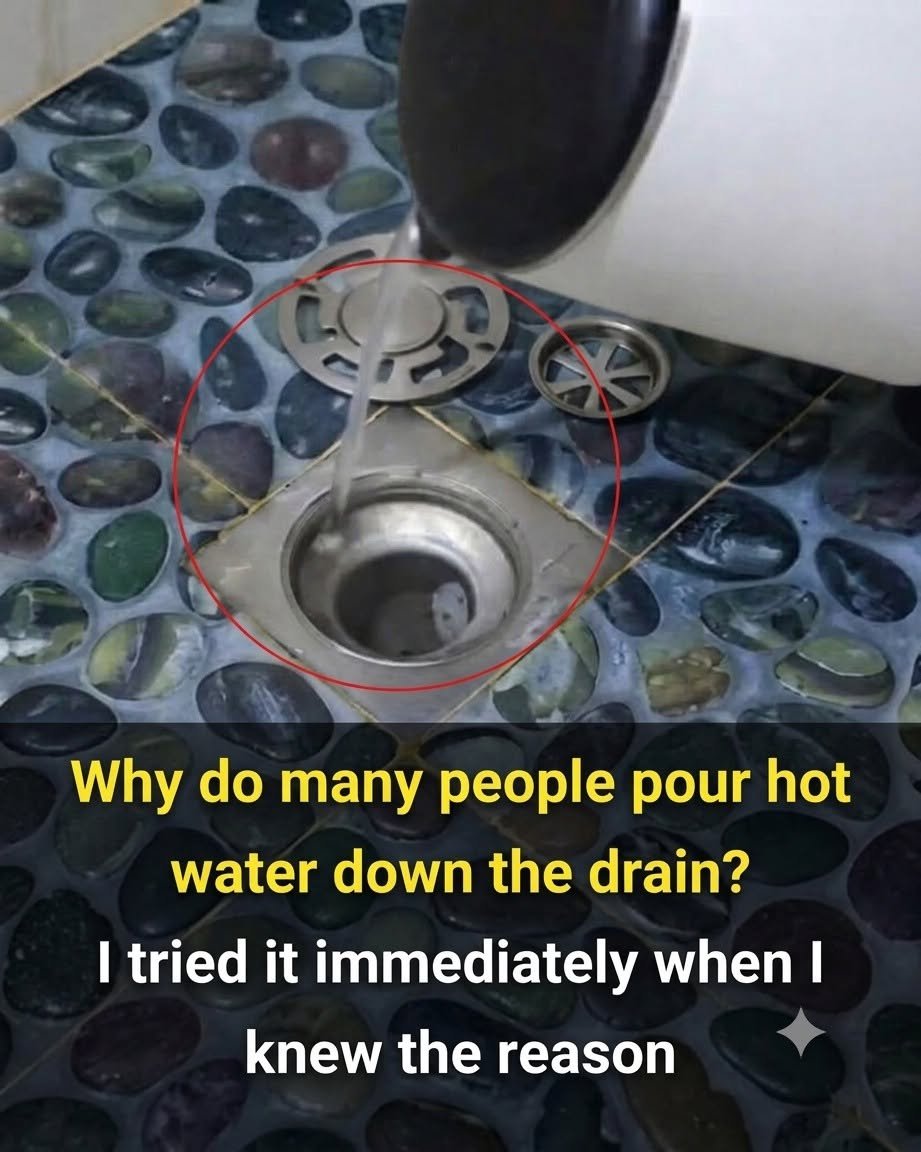
One of the most common kitchen habits that can quietly damage plumbing is pouring cooking oil, grease, or fatty food residue down the sink. It may seem harmless when the grease is warm and liquid, especially when followed by hot water, but the problem often develops farther inside the pipes. As grease cools, it can stick to the interior surfaces of drainage pipes and gradually accumulate. Food particles and other debris can then attach to this sticky layer, narrowing the passage available for wastewater and increasing the chance of slow drains or blockages. Municipal plumbing guidance specifically warns homeowners to keep fats, oils, and grease out of household drains because they can congeal and restrict or block pipes. This is why a habit that takes only a few seconds can eventually contribute to unpleasant odors, drainage problems, and potentially expensive home plumbing repairs.
Another mistake is allowing too many food scraps to enter the kitchen drain or garbage disposal. Coffee grounds, eggshells, rice, pasta, vegetable scraps, and other debris can accumulate or combine with grease, creating stubborn buildup. Even if your kitchen has a garbage disposal, it should not be treated as a replacement for a trash bin. Small amounts of suitable food waste may be manageable depending on the disposal system, but excessive or inappropriate material can contribute to clogs and appliance problems. A particularly useful habit is to scrape plates and greasy cookware before washing them. Instead of rinsing oil into the sink, allow it to cool and place it in a suitable container for disposal according to local waste guidelines. Using a sink strainer can also catch food particles before they enter the plumbing. These simple preventive measures can reduce buildup while helping homeowners avoid unnecessary maintenance costs.
Protecting your plumbing does not require complicated equipment or expensive products. Focus on prevention: keep grease and cooking oil out of drains, scrape food scraps into the trash or appropriate compost, use strainers, and pay attention to early warning signs such as slow drainage, unpleasant smells, gurgling sounds, or recurring backups. If several drains begin slowing down at the same time or water repeatedly backs up, the problem may be more extensive and professional plumbing assistance may be appropriate. A small change in your daily kitchen routine can therefore support long-term plumbing maintenance, protect your home, and potentially save money on avoidable repairs. Disclaimer: This article is provided for general educational and informational purposes only and does not constitute professional plumbing advice. Plumbing systems vary by property, materials, and local regulations, and individual problems may have different causes. Always verify maintenance recommendations through reliable plumbing professionals or local authorities before undertaking significant repairs.
Leave a Reply