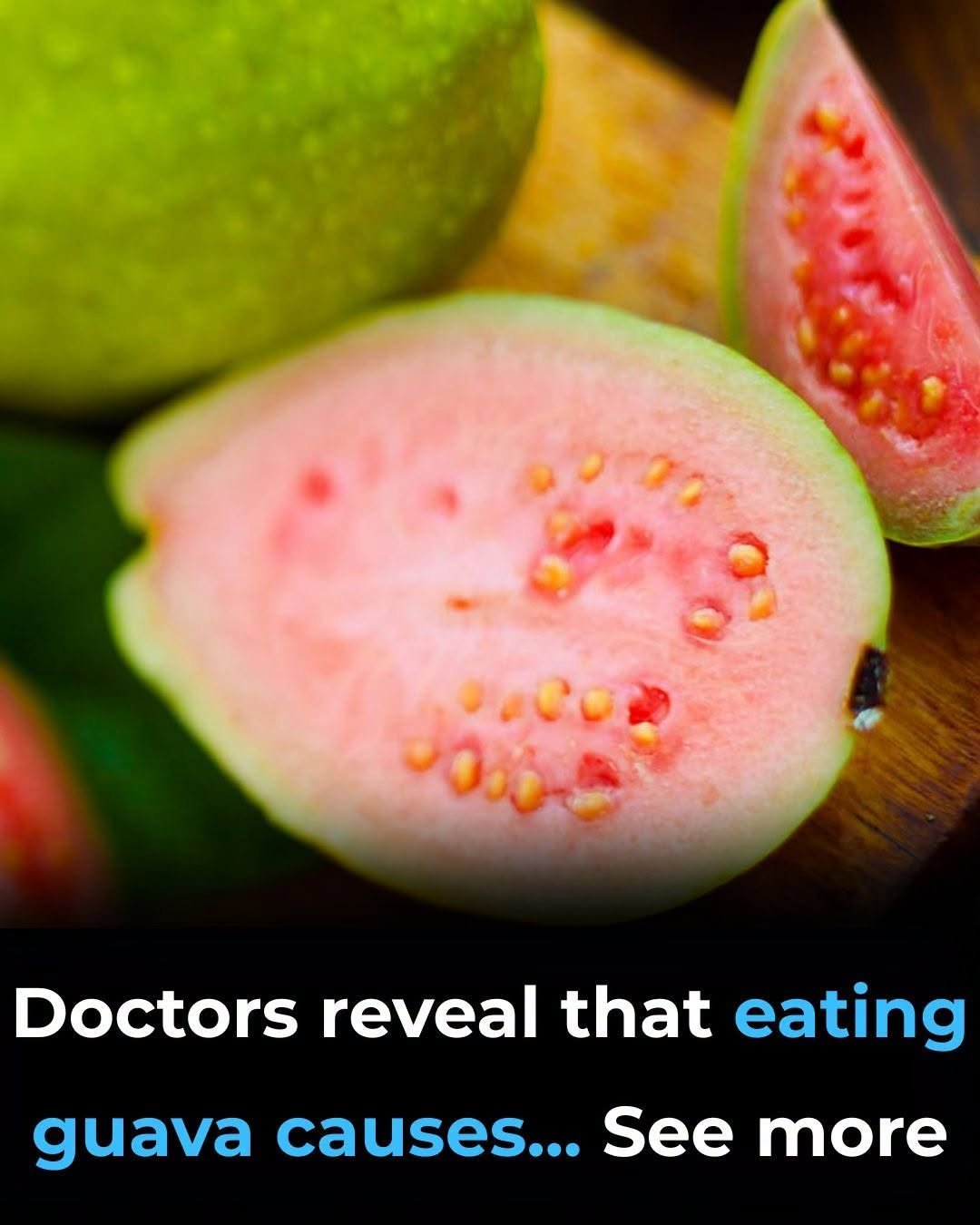
Guava is a nutrient-rich tropical fruit that has attracted considerable interest in nutrition, metabolic health, digestive wellness, and antioxidant research. Rather than causing a single dramatic health effect, eating guava provides a combination of dietary fiber, vitamin C, potassium, and naturally occurring plant compounds. A recent scientific review describes guava as rich in nutrients and bioactive compounds, while also emphasizing that more high-quality human research is needed before therapeutic claims can be confirmed. Its fiber content may support normal digestion and satiety, while its vitamin C and antioxidant compounds contribute to overall nutritional quality. Some human studies have also investigated guava consumption in relation to blood pressure, cholesterol, blood glucose, and other metabolic markers. However, these studies should not be interpreted as proof that guava can prevent or cure a specific disease.
Interestingly, clinical research has produced some promising but mixed findings. One randomized study involving healthy adults found that consuming ripe guava was associated with changes in body mass index and blood pressure, although some blood glucose and lipid measurements did not consistently improve across all groups. Another controlled study reported favorable changes in cholesterol, triglycerides, and blood pressure when guava was incorporated into the diets of people with hypertension, although the results should be considered within the context of the entire dietary intervention rather than attributed exclusively to the fruit. Guava is generally considered safe when eaten as a food, but concentrated guava-leaf products and extracts are different from ordinary fruit consumption. Some sources caution that guava or guava products may influence blood sugar, which could matter for people taking diabetes medications. This is why replacing medical treatment with fruit, herbal preparations, or online health advice is not recommended.
For most people, enjoying fresh guava as part of a balanced, nutrient-dense diet can be a practical way to increase fruit and fiber intake. Wash the fruit properly before eating, and remember that portion size and the overall dietary pattern matter more than any single “superfood.” If you have diabetes, take medication that affects blood sugar, have a food allergy, or are considering concentrated guava-leaf supplements, discuss your situation with a qualified healthcare professional. The biggest lesson from current research is that guava appears nutritionally valuable, but sensational claims such as “doctors reveal that guava causes…” should be treated cautiously until the specific claim is supported by strong human evidence. Disclaimer: This article is for general educational and informational purposes only and does not constitute medical, nutritional, or professional advice. Eating guava should not be considered a guaranteed treatment or cure for any disease. Research is still developing, and individual responses can vary. Always verify health claims through reliable scientific or medical sources and consult a qualified healthcare professional for personalized guidance.
Leave a Reply