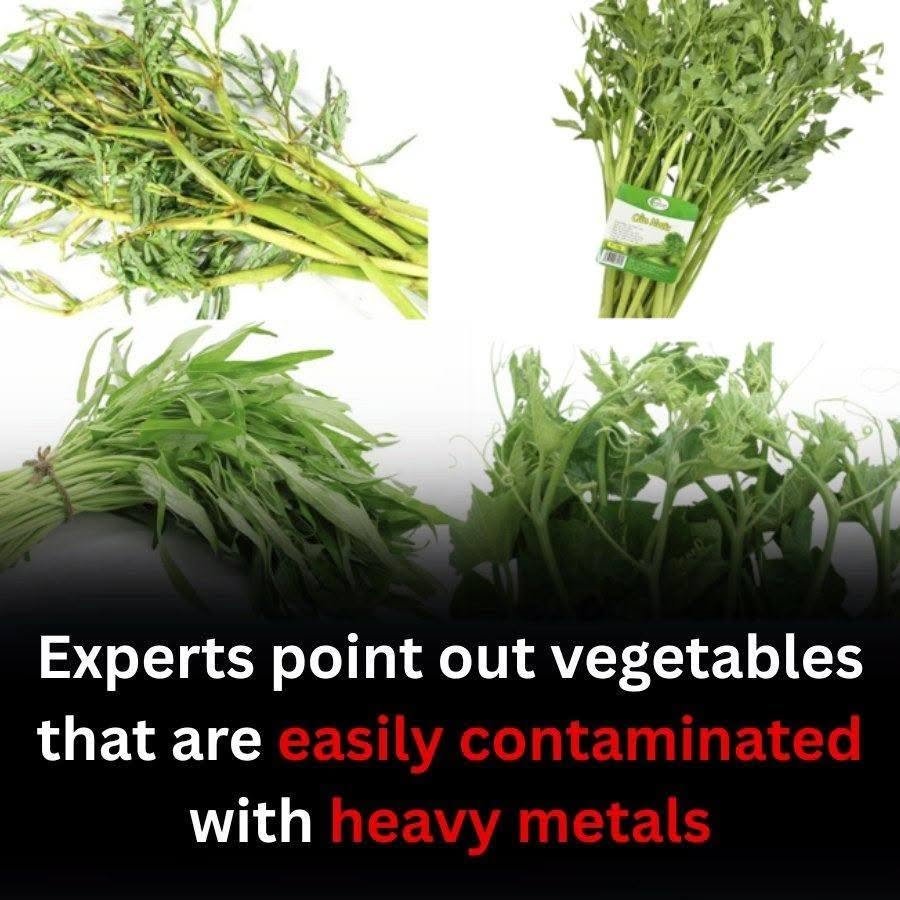
Vegetables remain an essential part of a balanced, nutrient-rich diet, but it is true that plants can absorb environmental contaminants from soil and water. Heavy metals and other toxic elements such as cadmium, lead, arsenic, and mercury can enter the food chain through naturally contaminated soil, pollution, industrial activity, or agricultural practices. The FDA reports that cadmium was detected in 93% of vegetable samples in its FY2018–FY2020 Total Diet Study, although many detected concentrations were low. Certain vegetables, particularly some leafy greens and potatoes, can accumulate more cadmium than others depending on growing conditions. This does not mean that vegetables containing detectable metals are automatically unsafe. The potential health impact depends on the concentration, amount consumed, frequency of exposure, and an individual’s overall exposure from other sources.
Growing conditions can make a significant difference. Vegetables cultivated near contaminated soil, polluted water, mining or industrial areas may have greater exposure to certain metals. Research conducted on vegetables from markets in Pakistan has found varying levels of metals in foods such as spinach, cabbage, potatoes, eggplant, tomatoes, okra, lettuce, coriander, and carrots, illustrating why local environmental conditions and food monitoring matter. However, individual studies from particular cities or markets should not be interpreted as proof that all vegetables in an entire country are contaminated. Heavy-metal exposure is particularly important for children and other vulnerable groups because prolonged exposure to contaminants such as lead and cadmium can affect important organs and biological systems. The FDA therefore monitors contaminants in the food supply and works to reduce dietary exposure while maintaining access to nutritious foods.
The practical answer is not to stop eating vegetables, but to eat a diverse selection and avoid relying heavily on one food grown in a potentially contaminated environment. Washing produce thoroughly under running water can help remove dirt and some surface contaminants, although washing cannot reliably eliminate metals that have already been absorbed into plant tissue. Choosing produce from reputable sources and maintaining variety can reduce repeated exposure to any single contaminant. The FDA specifically recommends eating a variety of nutrient-dense foods across and within food groups rather than avoiding nutritious foods simply because contaminants may occasionally be detected. Disclaimer: This article is for general educational and nutritional information only and does not constitute medical diagnosis, treatment, or personalized dietary advice. The presence of a detectable heavy metal does not automatically mean a vegetable is dangerous, and contamination levels can vary greatly by location, soil, water, and agricultural conditions. Always verify food-safety information through reliable authorities and consult a qualified healthcare professional if you have concerns about significant or prolonged exposure to heavy metals.
Leave a Reply