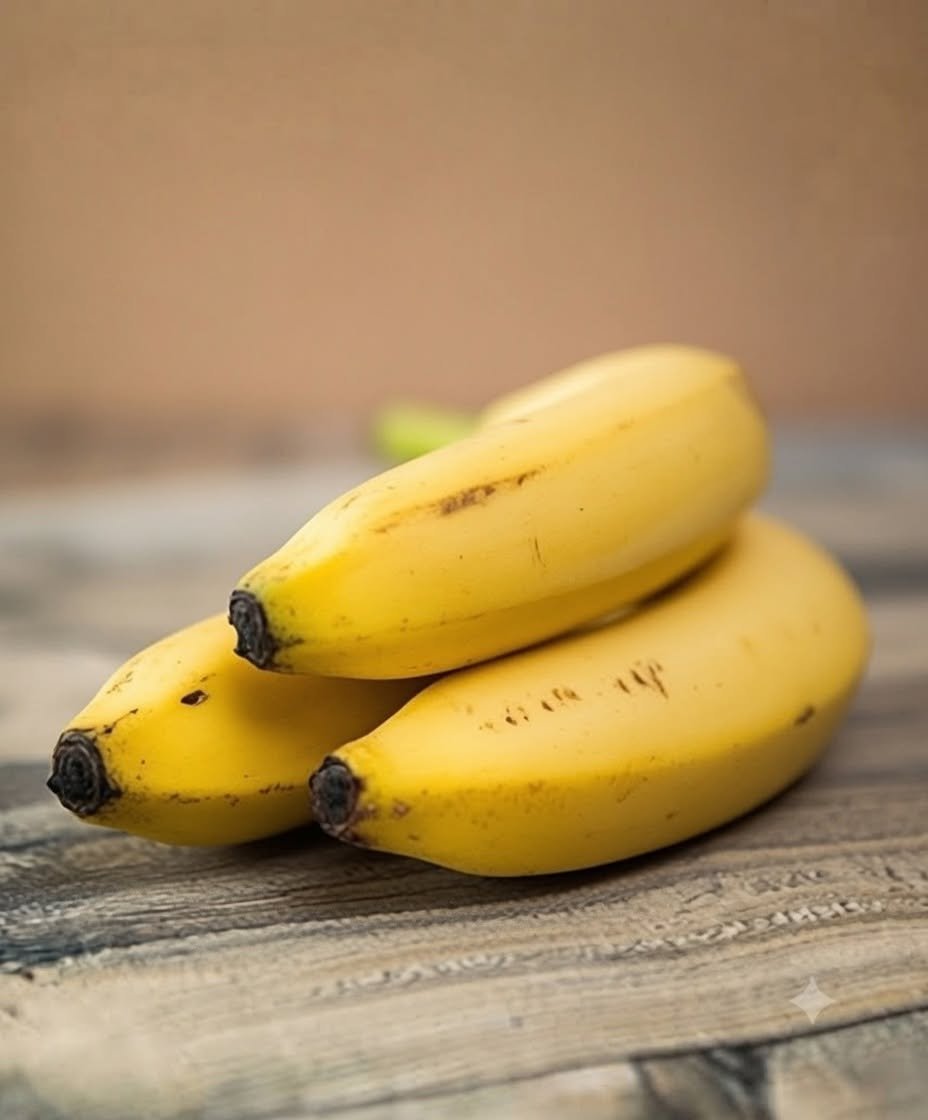
Eating a banana at night can be a nutritious choice for many people, particularly when it replaces highly processed sweets or salty snacks. Bananas provide carbohydrates, potassium, vitamin B6, and some magnesium, while also contributing dietary fiber. Because diet and sleep are connected, researchers have investigated whether certain nutrients and foods may influence sleep quality. Studies suggest that nutrients involved in pathways related to tryptophan, serotonin, and melatonin may play a role in sleep regulation, although the evidence does not establish that eating a banana before bed will automatically improve sleep. (pubmed.ncbi.nlm.nih.gov) A banana can therefore be a sensible evening snack, but it should not be presented as a guaranteed natural sleep remedy.
One reason bananas receive attention is their mineral and carbohydrate content. Magnesium participates in normal nerve and muscle function, while potassium is essential for fluid balance and normal muscle and nerve activity. However, research on magnesium and sleep is still developing, and evidence from supplementation studies should not be interpreted as proof that a banana itself treats insomnia. A 2025 systematic review found that some dietary interventions may improve sleep outcomes, but researchers also emphasized the need for further evidence and larger, well-designed studies. (pubmed.ncbi.nlm.nih.gov) Timing may matter as well: one observational study of young adults found that eating within three hours of bedtime was associated with more nighttime awakenings, although that study could not prove that meal timing caused the sleep disruption. (pubmed.ncbi.nlm.nih.gov)
The best approach is to consider your individual response and the overall quality of your evening diet. If a small banana satisfies hunger without causing digestive discomfort, it can be a convenient and nutrient-rich snack. If eating shortly before bed causes reflux, bloating, or disturbed sleep, it may be better to finish your evening meal or snack earlier. People with diabetes, kidney disease, or dietary restrictions may also need individualized advice about carbohydrate or potassium intake. Rather than relying on one food to transform sleep, focus on consistent sleep and wake times, a comfortable sleeping environment, balanced nutrition, and limiting caffeine and other factors that interfere with sleep. Disclaimer: This article is for general educational and nutritional information only and does not constitute medical diagnosis, treatment, or personalized dietary advice. Current research does not prove that eating a banana at night directly improves sleep for everyone. Individual responses vary, and important health or dietary concerns should always be discussed with a qualified healthcare professional and verified through reliable medical sources.
Leave a Reply