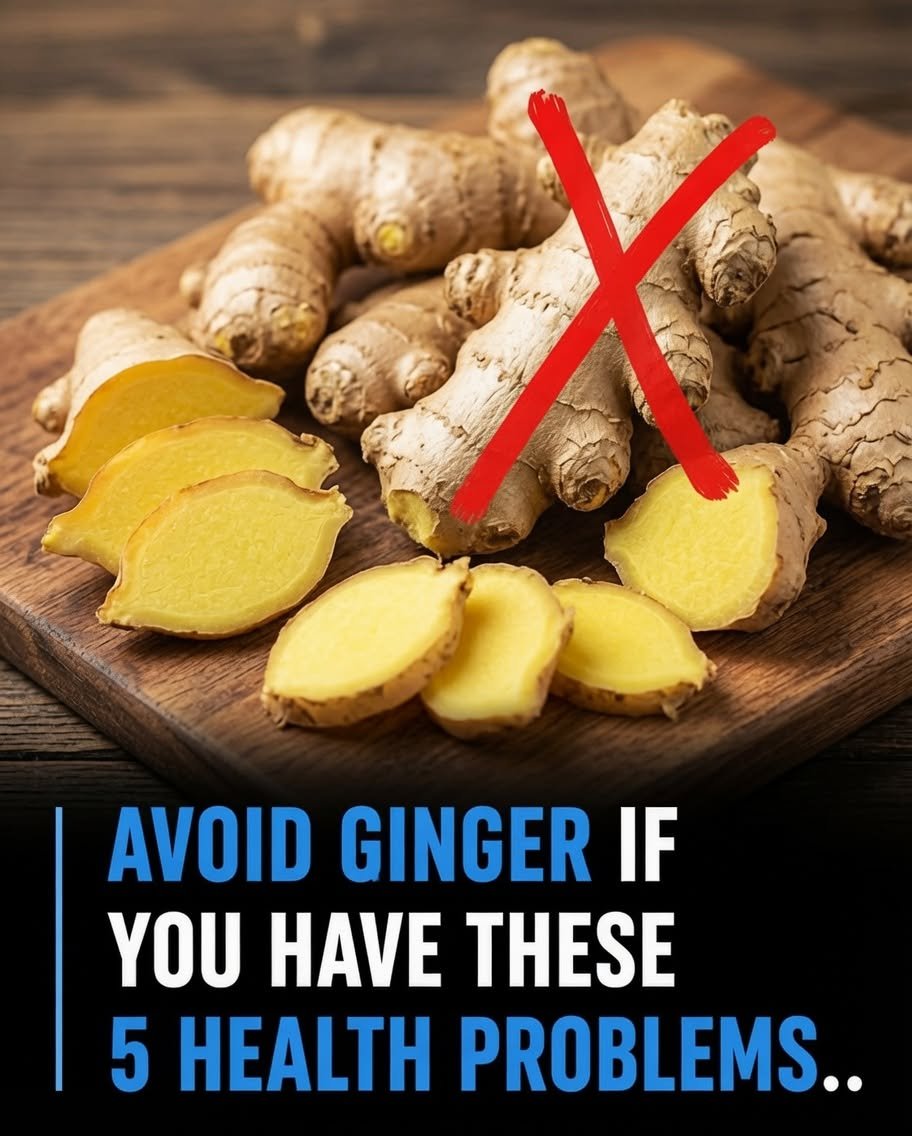
Ginger is a popular kitchen spice and is generally well tolerated when consumed in ordinary food amounts. It has also been studied for nausea, menstrual cramps, and several other health concerns. However, “natural” does not automatically mean risk-free, especially when ginger is consumed in concentrated teas, extracts, capsules, or large amounts. The National Center for Complementary and Integrative Health notes that oral ginger can cause abdominal discomfort, heartburn, diarrhea, and irritation of the mouth or throat, particularly in higher amounts. People with acid reflux or a sensitive digestive system may therefore find that large quantities make symptoms worse rather than better. If ginger repeatedly causes burning, stomach pain, or digestive problems, reducing the amount or discussing it with a healthcare professional is sensible.
One major area of caution involves bleeding disorders and blood-thinning medication. Ginger supplements may affect platelet activity, and medical references advise caution for people taking anticoagulant or antiplatelet medicines such as warfarin or certain other blood thinners. People preparing for surgery should also tell their healthcare team about ginger supplements because of the potential bleeding concern. Another group requiring caution is people with diabetes or low blood sugar, because concentrated ginger products may contribute to lower blood-glucose levels when combined with diabetes medicines. Finally, people with gallstones or gallbladder disease should ask a healthcare professional before using medicinal doses or supplements, as ginger may increase bile flow.
A fifth situation is pregnancy or breastfeeding, where concentrated ginger supplements should not be treated like an ordinary food without professional guidance. NCCIH says ginger supplements may be safe during pregnancy, but recommends discussing their use with a healthcare provider; evidence about breastfeeding is limited. The important distinction is between using a modest amount of ginger as a cooking ingredient and taking high-dose supplements or concentrated preparations. If you take prescription medication, have a bleeding condition, diabetes, gallstones, significant reflux, or an upcoming procedure, check with your doctor or pharmacist before using ginger medicinally. Disclaimer: This article is for general educational and nutritional information only and does not constitute medical diagnosis, treatment, or personalized medical advice. Ordinary culinary use of ginger is generally well tolerated, but concentrated products may carry different risks. Health claims online may be exaggerated, misleading, or unauthenticated, so always verify important information through reliable medical sources and consult a qualified healthcare professional for individualized guidance.
Leave a Reply