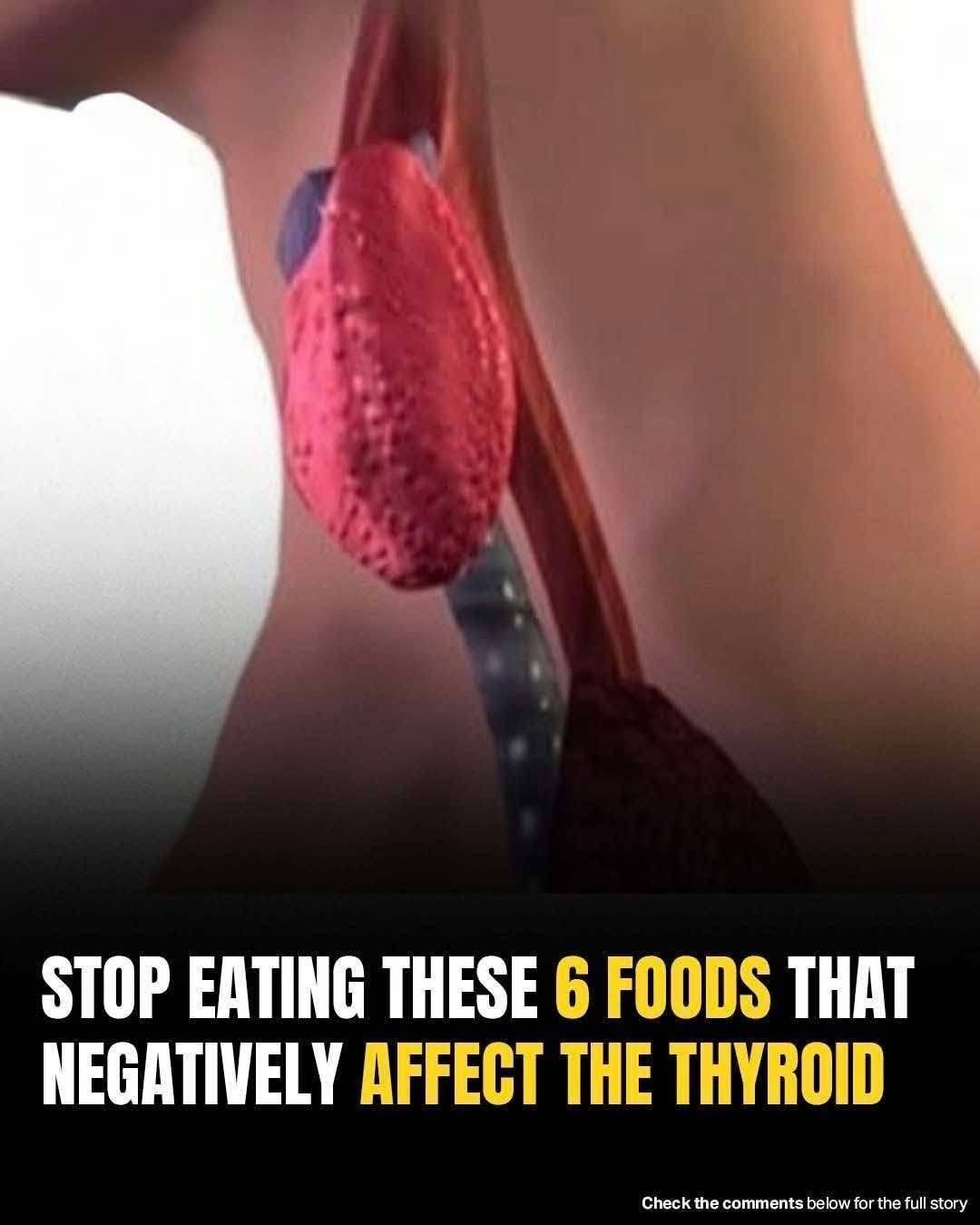
Sensational health warnings often urge individuals to eliminate common foods, claiming they pose immediate dangers to thyroid health. These posts frequently target whole foods, such as cruciferous vegetables and soy products, warning that their consumption can cause severe endocrine disruption. Understanding how specific dietary compounds interact with the thyroid gland helps separate evidence-based nutritional science from alarming online health claims.
Certain foods contain naturally occurring compounds known as goitrogens, which can interfere with the thyroid’s ability to absorb iodine when consumed in massive quantities. Key dietary factors associated with thyroid function include:
- Cruciferous Vegetables: Broccoli, cabbage, kale, and Brussels sprouts contain glucosinolates, which convert into goitrogenic compounds. However, normal dietary consumption—especially when cooked—inactivates most of these enzymes, posing no harm to individuals with adequate iodine intake.
- Soy Products: Tofu, edamame, and soy milk contain isoflavones that can inhibit the enzyme thyroid peroxidase. While moderate soy intake is generally safe, individuals taking levothyroxine or other thyroid replacement medications should space their dosage apart from soy-rich meals.
- Highly Processed Foods: Excessively processed foods high in sodium and refined sugars contribute to systemic inflammation and poor metabolic health, indirectly placing strain on endocrine function.
Maintaining optimal thyroid function relies on a balanced, nutrient-dense diet rather than the complete elimination of healthy vegetables. Individuals with pre-existing thyroid conditions, such as hypothyroidism or Hashimoto’s thyroiditis, should consult an endocrinologist or registered dietitian before making drastic dietary changes.
Leave a Reply