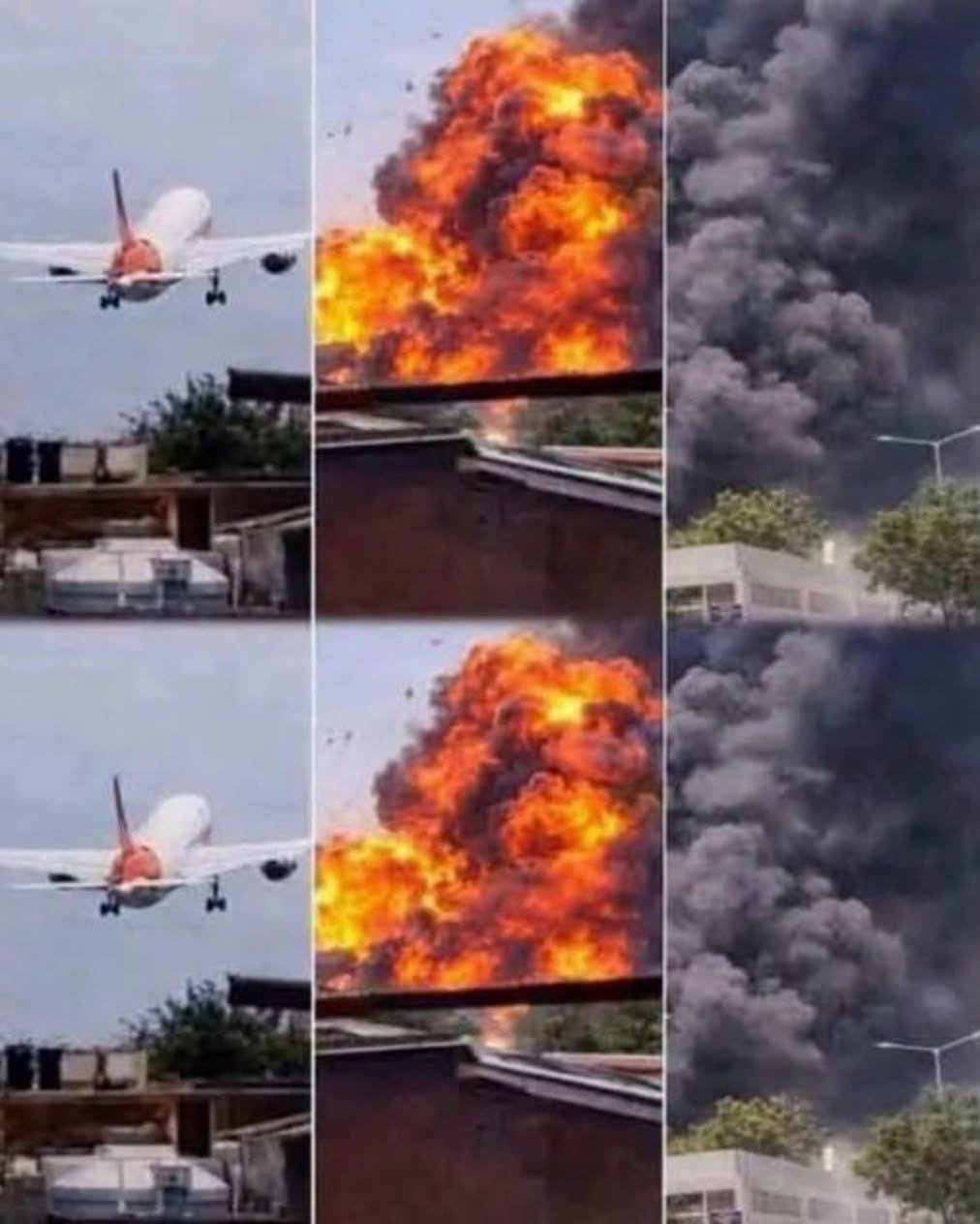
Distress calls, low-altitude stalls, and unexpected aircraft incidents on takeoff represent critical aviation emergencies that immediately trigger international investigation protocols. Images depicting commercial airliners flying low over residential structures followed by plumes of smoke and fire—such as those from major incidents like the June 2025 Air India Flight 171 crash in Ahmedabad—are often repurposed in viral headlines to generate instant emotional reactions.
When major aviation accidents occur, regulatory bodies such as the Aircraft Accident Investigation Bureau (AAIB) and the National Transportation Safety Board (NTSB) mobilize technical teams alongside aircraft and engine manufacturers. Early speculation surrounding pilot actions, severe weather, or mechanical failures frequently spreads across social channels prior to the release of official telemetry, flight data recorder (FDR), and cockpit voice recorder (CVR) analysis. Official investigations focus strictly on physical wreckage evaluation, flight path tracking, and system performance to establish factual root causes.
Evaluating breaking news involving transport accidents requires caution, as online posts regularly attach archival footage or past crash images to new, unverified claims. Relying on official civil aviation statements and verified news updates ensures accurate information during ongoing emergency responses.
Leave a Reply