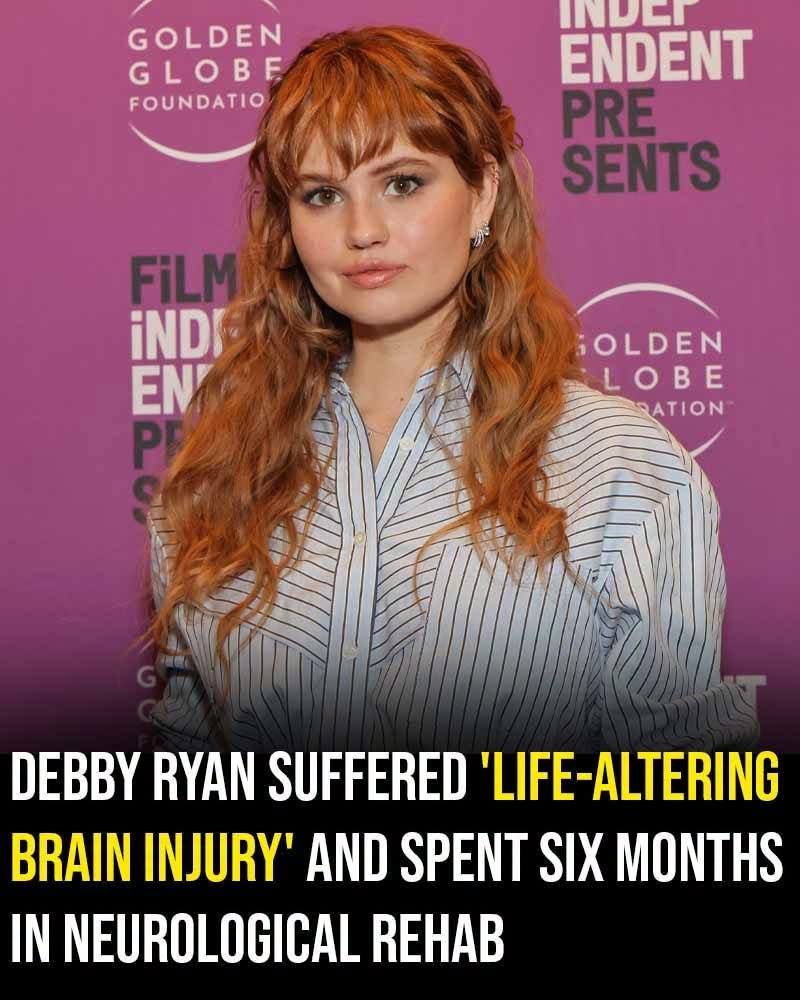
Digital media platforms frequently feature real photographs of well-known public figures—such as actress Debby Ryan attending a red carpet event—paired with sensationalized, catastrophic health headlines claiming severe medical crises, life-altering brain injuries, or lengthy hospitalizations. These viral posts rely on emotional shock value, deceptive framing, and curiosity-driven hooks to provoke concern, maximize social media sharing, and drive ad-monetized traffic rather than reporting legitimate entertainment journalism or medical news.
From a digital forensics and media analysis perspective, these sensational claims are entirely fabricated clickbait. Content-farming networks systematically harvest photographs of public figures from recent public appearances, combine them with dramatic captions or AI-assisted image manipulation, and invent alarming medical narratives to exploit fan anxiety and bypass algorithmic content restrictions. The actress depicted has experienced no such public health crisis; the narrative is entirely artificial, designed solely to monetize digital engagement metrics, click-through rates, and platform ad revenue.
Evaluating viral celebrity news effectively requires checking statements against verified entertainment reporting, official press releases, and reputable journalistic outlets rather than accepting sensational social media graphics at face value. Understanding how clickbait networks weaponize public figures helps foster critical digital media literacy. For accurate updates regarding celebrity careers, public appearances, or verified personal statements, consulting established entertainment news agencies and official public relations representatives provides dependable, factual information.
Leave a Reply