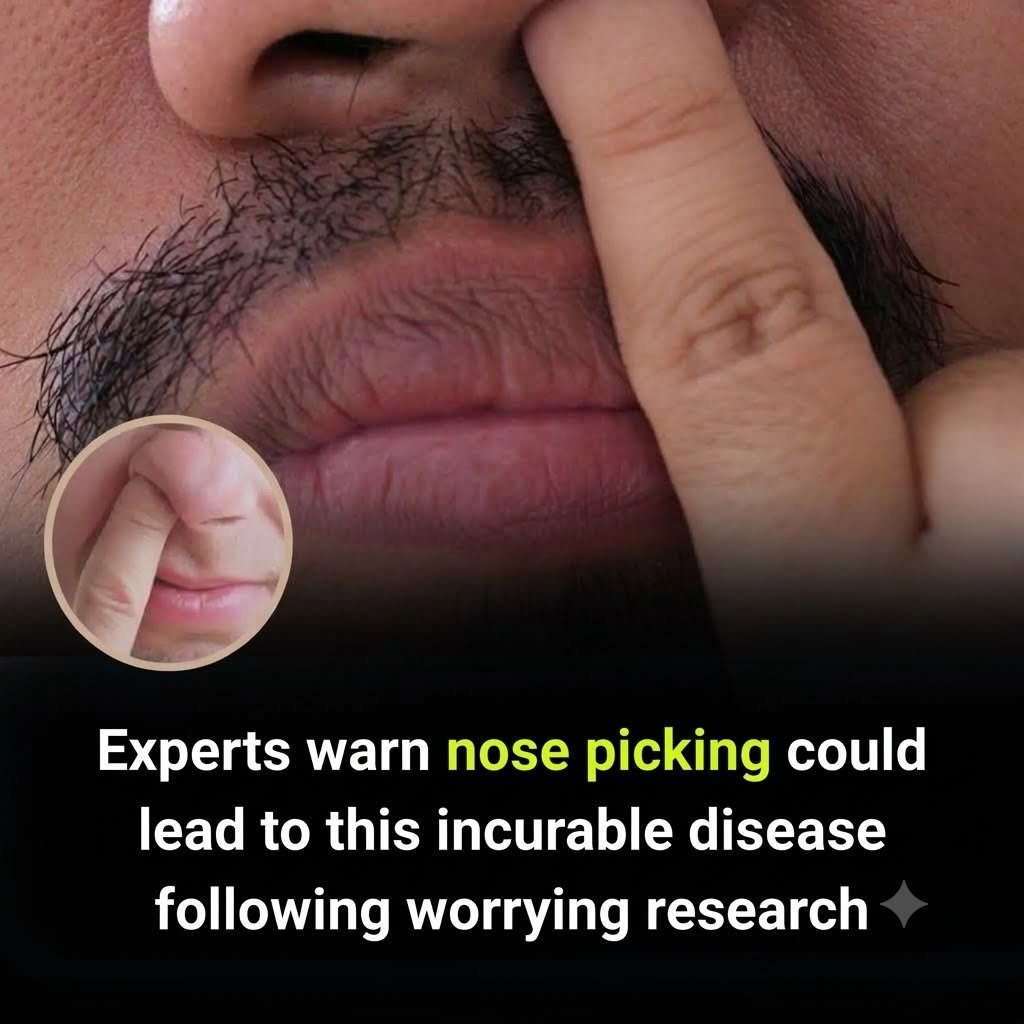
Digital media platforms frequently feature close-up photography of everyday human habits paired with alarming, sensationalized clickbait headlines—such as claiming that nose picking directly causes an incurable, serious neurological disease. These viral graphics are specifically engineered to leverage personal anxieties, provoke health fears, and drive rapid online comment sharing rather than providing accurate, evidence-based neurological or otolaryngological education.
From a clinical neurology and otolaryngology perspective, research has explored potential pathways through which pathogens could theoretically enter the central nervous system via the olfactory nerve and nasal mucosa. Certain preliminary studies (such as those investigating Chlamydia pneumoniae or beta-amyloid deposition associated with Alzheimer’s disease) suggest that introducing bacteria into damaged nasal tissue might trigger neuroinflammatory responses over time. However, habitual nose picking (rhinotillexomania) itself is not a direct, standalone cause of incurable neurodegenerative disorders. The primary localized risks of nose picking include mucosal irritation, epistaxis (nosebleeds), and localized bacterial skin infections (such as Staphylococcus aureus colonization), rather than immediate or direct neurological failure. Content-farming operations systematically transform early hypothesis-stage scientific research into terrifying, absolute warnings to maximize digital engagement metrics and ad revenue.
Maintaining nasal hygiene and neurological wellness involves adopting gentle nasal irrigation methods when necessary, practicing proper hand hygiene to minimize pathogen introduction, avoiding forceful trauma to the delicate nasal lining, and relying on verified clinical guidance rather than alarming internet generalizations. Personal health evaluation and neurological risk assessment should always reflect validated clinical diagnostic standards. If you have concerns about persistent nasal discomfort, neurodegenerative risk factors, or systemic health, consulting a licensed physician, otolaryngologist, or neurologist provides safe, evidence-based direction.
Leave a Reply