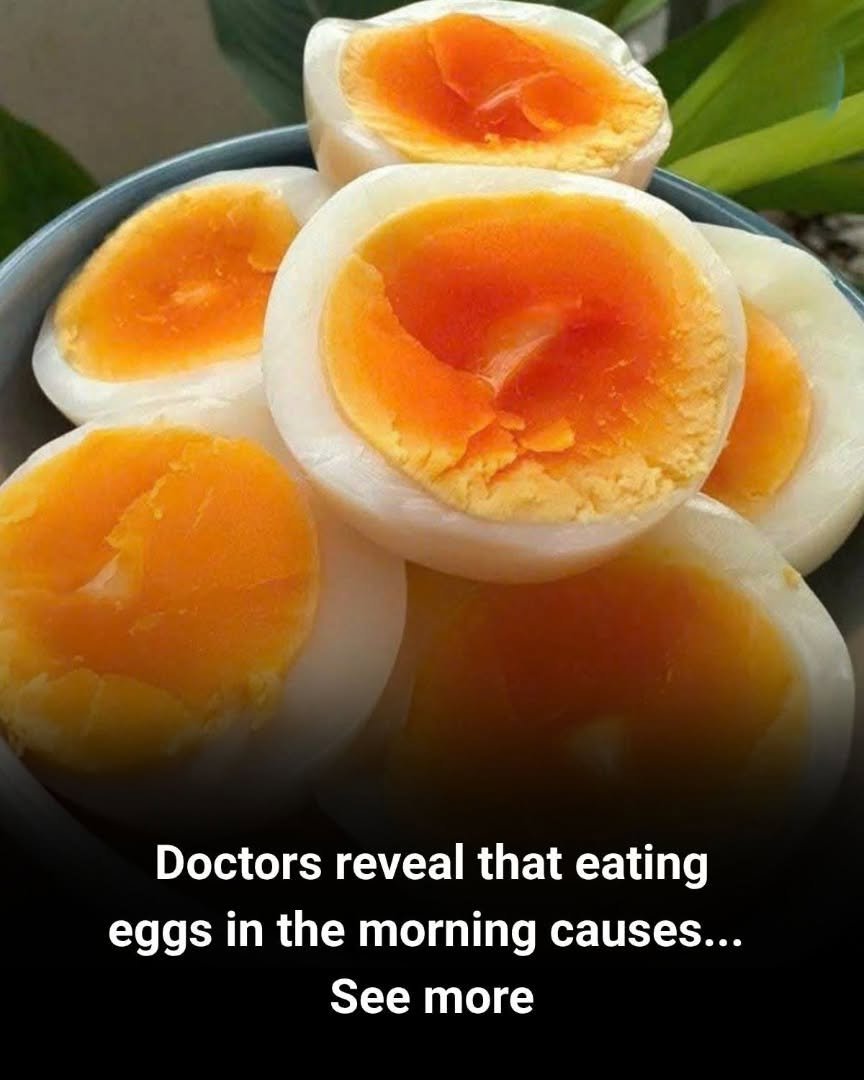
For years, eggs were treated with suspicion because the yolk contains dietary cholesterol, but modern nutrition research presents a more nuanced picture. A large egg provides about 6 grams of high-quality protein along with nutrients such as choline, vitamin B12, vitamin D, selenium, lutein, and zeaxanthin. For most healthy people, eating around one egg a day can fit comfortably into a balanced, heart-conscious diet. Harvard Health notes that dietary cholesterol generally has a smaller effect on blood cholesterol than saturated and trans fats, while the American Heart Association’s 2026 dietary guidance says dietary cholesterol is no longer a primary target for cardiovascular-risk reduction for most people.
The bigger surprise is that what you eat with your eggs may matter more than the egg itself. Eggs cooked with large amounts of butter and served alongside bacon, sausage, processed meats, or heavily salted foods can create a meal much higher in saturated fat and sodium. By contrast, pairing eggs with vegetables, whole grains, beans, or fruit can create a more nutrient-dense breakfast. A 2025 clinical trial summarized by Harvard Health found that a diet containing two eggs per day did not raise LDL cholesterol compared with a higher-saturated-fat diet, reinforcing the importance of considering the entire dietary pattern rather than focusing on cholesterol in one food. This does not mean everyone should eat multiple eggs every day; people with certain cholesterol disorders, diabetes, cardiovascular conditions, or other medical considerations may need individualized guidance.
So, for many people, an egg every day can be part of a healthy eating pattern—but it is not a magic food or a guaranteed protection against disease. Preparation, portion size, overall calorie intake, and the rest of the diet all matter. Choosing boiled, poached, or lightly cooked eggs and combining them with vegetables and other minimally processed foods can be a practical approach. If you have been diagnosed with high cholesterol or another condition that affects your dietary needs, ask your healthcare professional how many whole eggs are appropriate for you rather than following a universal rule. Disclaimer: This article is for general educational and nutritional information only and does not constitute medical diagnosis, treatment, or personalized dietary advice. Research on eggs and cardiovascular health continues to evolve, and individual responses can differ. Online health claims may be exaggerated, misleading, or unauthenticated, so always verify important information through reliable medical sources and consult a qualified healthcare professional for personalized guidance.
Leave a Reply